
Plants
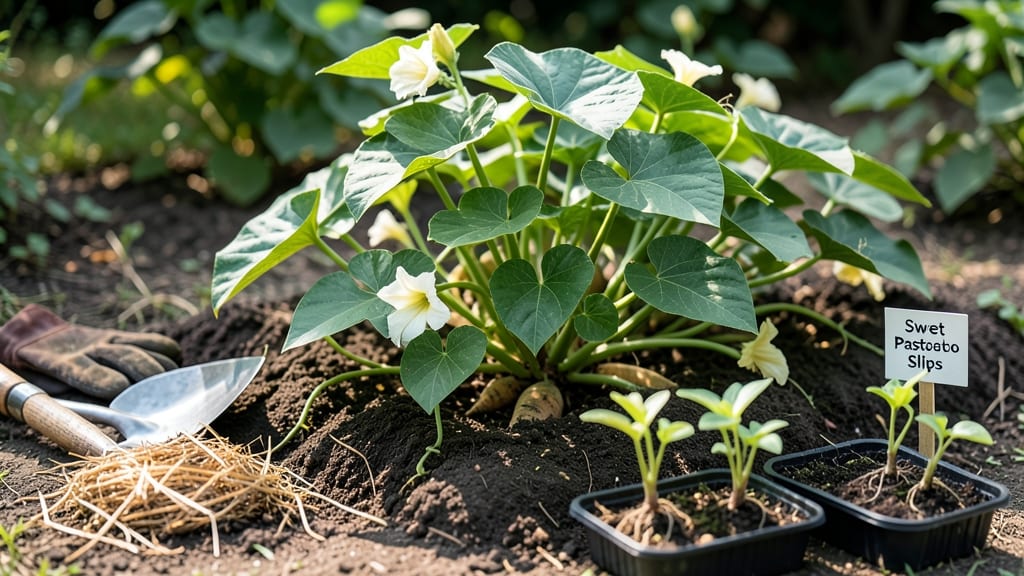
Planting sweet potatoes in Alabama at the wrong time can mean the difference between a bountiful harvest and a disappointing one. With the right timing—typically between late April and early June—you’ll give your 🍠 plants the ideal start to thrive in Alabama’s 7b-8a climate.
Why does timing matter so much? Sweet potatoes need warm soil, ideally 65°F or higher, and a frost-free window to develop those sweet, starchy tubers. Skipping this window risks stunted growth or even crop failure when unexpected cold snaps hit.
In this guide, I’ll break down the best planting windows for Alabama’s regions, whether you’re growing in-ground or in containers. You’ll also learn how to adjust for Alabama’s unpredictable weather, from late frosts to early heatwaves.
Ready to grow your best sweet potato crop yet? Let’s dive into the details so you can enjoy a harvest from late September to November—just in time for fall feasts!
Optimal sweet potato planting dates in Alabama by region
Alabama’s diverse climate means planting dates for sweet potatoes vary by region—from North Alabama’s cooler zones to South Alabama’s extended growing season. Timing is critical because sweet potatoes need warm soil (at least 65°F) and frost-free conditions to thrive.
Plant too early, and you risk stunted growth; too late, and your harvest may suffer from heat stress.
Most Alabama gardeners aim to plant sweet potato slips (young plants) between late April and early June, but exact dates depend on your USDA hardiness zone and local frost patterns.
For example, Birmingham (Zone 7b) has a shorter frost-free window than Mobile (Zone 8a), so adjustments are key for success.
Here’s a breakdown of optimal planting windows by region, including soil temperature thresholds and frost-free considerations:
In North Alabama, where frosts linger longer, I recommend waiting until soil temperatures consistently reach 65°F before planting. Use a soil thermometer to check—this usually aligns with late April to early May.
In Central Alabama, you have more flexibility, but avoid planting after mid-June to ensure tubers mature before the first frost in November.
For South Alabama, the growing season stretches longer, so you can plant as early as mid-March if you’re confident in frost-free conditions. However, even here, late plantings after June risk poor tuber development due to Alabama’s intense summer heat.
If you’re in this region, consider succession planting in early spring and late summer for a double harvest.
One common mistake I see is planting sweet potatoes too early in hopes of a longer growing season. Cold soil slows root growth, leading to small, underdeveloped tubers.
Always prioritize soil warmth over calendar dates. If your soil is still chilly in April, use black plastic mulch or straw to accelerate warming.
Another tip: Container growing is a great option for urban gardeners or those with limited space. In containers, sweet potatoes thrive in 5-gallon pots or larger, and you can plant them 2–3 weeks later than in-ground plantings because containers warm up faster.
Just ensure pots have drainage holes to prevent waterlogged roots.
Finally, remember that Alabama’s humidity can promote fungal diseases like black rot. To mitigate this, space plants 12–18 inches apart and avoid overhead watering. Mulching with straw or pine straw also helps keep foliage dry and soil moisture consistent.
Optimal sweet potato planting dates in Alabama by region
Alabama’s diverse climate means planting times vary by region—from the cooler North (Birmingham) to the warmer South (Mobile). Understanding your local frost-free window is critical for sweet potato success.
In USDA Zones 7b-8a, the ideal planting window is late April to early June, but regional adjustments ensure maximum tuber development.
Northern Alabama (e.g., Birmingham) typically has a later last frost date (mid-April), while Southern Alabama (e.g., Mobile) sees frost risks as early as January 15. Central Alabama (Montgomery) falls in between, with frost-free conditions arriving by mid-March.
Planting too early risks frost damage, while delaying too long may lead to stunted growth before harvest.
Soil temperature is your best guide. Sweet potatoes need soil at least 65°F (18°C) to thrive. In Northern Alabama, this usually aligns with late May, while Southern regions can start as early as mid-April.
Use a soil thermometer to confirm readiness—cold soil stalls root growth and reduces yields.
| Region | Last Frost Date | Ideal Planting Window | Soil Temp Threshold | Harvest Window |
|---|---|---|---|---|
| North (Birmingham) | Mid-April | Late May - Early June | 65°F+ | Late Sept - Early Nov |
| Central (Montgomery) | Mid-March | Late April - Early May | 65°F+ | Mid-Sept - Late Oct |
| South (Mobile) | Jan 15 | Mid-April - Late April | 60°F+ | Early Sept - Mid-Oct |
Container growing extends flexibility in cooler regions. Use black plastic mulch or row covers to warm soil faster in Northern Alabama. In Southern Alabama, focus on shade cloth during peak summer heat to prevent vine stress. Both methods help align planting with your region’s unique climate quirks.
For container growers, start slips indoors in March and transplant after the last frost. This gives you a 2-week head start on the ground planting window. Just ensure containers are at least 12 inches deep—sweet potatoes need room to develop tubers.
Regardless of your Alabama region, aim to harvest before the first frost. In Northern Alabama, this means early November, while Southern growers can push to mid-October. Use row covers to extend the season if needed—just remove them during harvest to avoid soil compaction.