
Plants
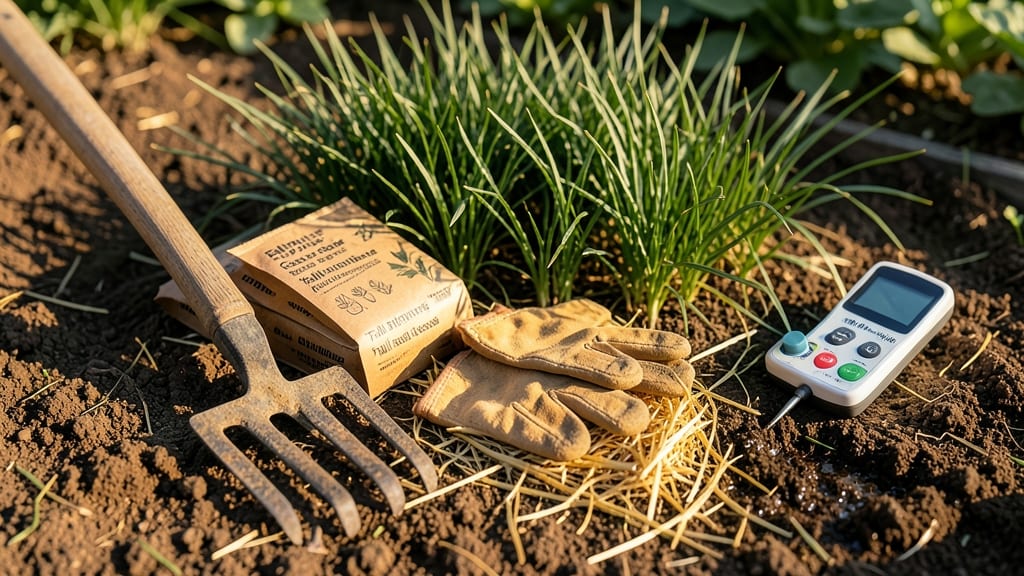
Planting grass seed in the fall is your best bet for a lush, green lawn next spring—but get the timing wrong, and you could end up with weak roots struggling through winter.
The key lies in understanding your USDA zone, because those 4-6 weeks before first frost deadlines vary dramatically across the country.
If you're in Zone 6a like many gardeners, you've got a narrow window—typically between mid-September and early November—to give your grass the perfect head start. Too early, and summer heat will stress young seedlings; too late, and frost will halt growth before roots establish.
I'll show you exactly how to calculate your local planting window using frost dates and soil temperatures.
Beyond timing, proper soil prep and seed selection make all the difference. We'll cover how to test your soil's pH, choose the right grass type for your climate, and create ideal seed-to-soil contact for maximum germination. Even experienced gardeners miss these critical steps—and end up with patchy lawns.
Whether you're overseeding an existing lawn or starting fresh, these fall planting strategies will give your grass a fighting chance against winter's challenges. Let's break down the exact steps to ensure your lawn emerges strong and vibrant in spring.
USDA zone-specific fall grass seed planting deadlines by region
Fall is your golden window for planting cool-season grass seed—but the exact timing depends on your USDA hardiness zone. Plant too early, and summer heat zaps moisture; too late, and frost stunts root growth.
I’ll break down the 4-6 week rule before your first frost, plus how to adjust for Northern vs. Southern climates.
Northern regions (Zones 3-5) have the tightest deadlines. For example, in Zone 4, aim to plant by mid-September to give seeds time to establish before winter. Southern zones (Zones 7-9) can stretch planting until late November, but watch for early frosts in mountainous areas.
Use your local average first-frost date (check the National Oceanic and Atmospheric Administration (NOAA) website) as your anchor. Subtract 4-6 weeks to calculate your planting window. For instance, if frost hits November 15, plant by October 1.
Here’s how to adjust for your region:
| USDA Zone | Ideal Planting Window | Key Considerations |
|---|---|---|
| Zones 3-5 | Early September to mid-October | Short growing season; prioritize soil warmth (60-75°F) and moisture retention. |
| Zones 6-7 | Mid-August to late October | Balanced window; avoid planting after first frost or in hot, dry spells. |
| Zones 8-9 | Late August to early November | Longer window; watch for early mountain frosts or hurricane season delays. |
| Zones 10+ | September to October (avoid winter rains) | No frost risk, but soil erosion from winter rains can wash out seeds. |
Pro tip: Cool-season grasses (like tall fescue, Kentucky bluegrass, and ryegrass) thrive in fall’s moderate temps (50-65°F) and increased rainfall. Southern grasses (Bermuda, Zoysia) can handle later planting but struggle in cold snaps.
If you’re unsure about your zone, use the USDA Plant Hardiness Zone Map and enter your ZIP code. For example, Denver (Zone 5) has a first frost around October 15, so plant by September 1. Meanwhile, Atlanta (Zone 8) can plant until November 1.
Watch for unpredictable weather. If your area had an early frost last year, err on the earlier side. Conversely, if summers are prolonged and dry, delay planting until late August to avoid seed desiccation.
Remember: Root growth, not top growth, is your goal. Seeds need 4-6 weeks to develop roots before winter dormancy. Skimp on time, and you’ll end up with thin, weak grass next spring.
For new lawns, start earlier in the window. Overseeding established lawns can wait until late September in most zones. Always test your soil’s pH (6.0-7.0 ideal) and moisture levels before planting—dry soil in late fall can sabotage germination.
Ready to plant? Grab your seed, compost, and a rain gauge—we’ll cover soil prep and post-planting care next! 🌱
How to prepare soil and seed for fall planting: 5 critical steps for strong root growth
Preparing your soil and seed properly is just as important as planting at the right time. Without the right conditions, even the best timing won’t guarantee a lush lawn. I’ve seen too many gardeners rush this step—and end up with patchy, weak grass that struggles through winter.
Let’s fix that with these 5 critical steps to set your grass up for success.
First, you’ll want to test your soil’s pH—most grasses thrive in a slightly acidic range of 6.0 to 7.0. If your soil is too alkaline or acidic, you’ll need to amend it with lime or sulfur before planting.
I recommend picking up a soil test kit from your local garden center—it’s a small investment that pays off big time in germination rates.
Next, focus on aerating your lawn if you’re overseeding. Compacted soil blocks root growth, and fall is the perfect time to loosen it up. Rent a core aerator or hire a service if your lawn is large.
For new lawns, skip aeration and instead rake the soil to create a fine, level seedbed. The goal is to expose bare soil where seeds can make direct contact.
5 Critical Steps for Fall Grass Planting Success
-
Step 1: Test Soil pH
Use a kit to check pH (ideal: 6.0-7.0). Amend with lime or sulfur if needed. -
Step 2: Aerate Compacted Soil
Rent a core aerator for overseeding; rake new lawn areas for seed contact. -
Step 3: Choose the Right Grass Seed
Pick cool-season grasses (e.g., Kentucky Bluegrass, Fescue) for your USDA zone. -
Step 4: Spread Seed Evenly
Use a broadcast spreader for new lawns; overlap passes by 50% for overseeding. -
Step 5: Lightly Rake and Water
Drag a stiff-bristle rake to bury seeds ¼ inch deep; water immediately.
Choosing the right grass seed variety is another game-changer. Cool-season grasses like tall fescue or Kentucky bluegrass are ideal for fall planting in most zones. If you’re in a warmer climate (Zones 7-10), opt for warm-season grasses like Bermuda or Zoysia—but plant them in late spring or early summer instead.
Always check the seed packet for your USDA zone compatibility.
When it’s time to spread the seed, use a broadcast spreader for even coverage. For new lawns, aim for 5-8 pounds of seed per 1,000 sqft, depending on the blend. If you’re overseeding, cut your rate in half to avoid overcrowding.
After spreading, drag a stiff-bristle rake lightly over the area to bury seeds ¼ inch deep—this protects them from birds and ensures good soil contact.
Finally, water immediately after planting, and keep the soil consistently moist for the first 2-3 weeks. I can’t stress this enough: daily light watering (about ¼ inch per day) is better than deep, infrequent watering.
This encourages seeds to germinate quickly and establishes roots before winter sets in. Once the grass reaches 3 inches tall, you can reduce watering to twice weekly.
With these steps, your grass will have the strong root system it needs to survive winter and thrive next spring. And remember: patience is key—fall-planted grass may not look perfect until early summer, but the payoff is worth it. 🌱