
Plants
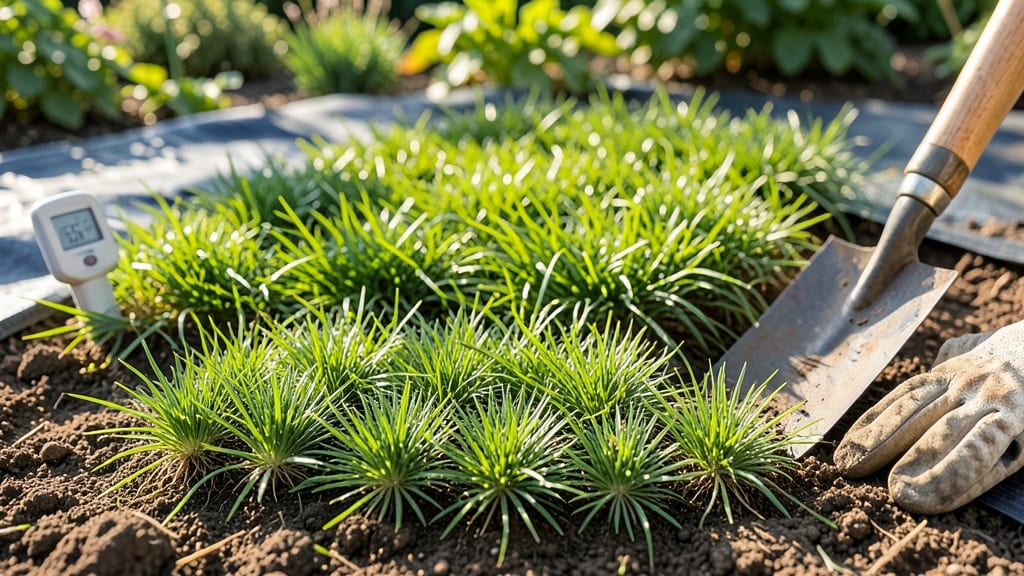
Timing your Bermuda Grass planting in Kansas could make the difference between a lush, drought-resistant lawn and one that struggles to survive the summer heat. If you plant too early, cold soil will stunt root growth, while waiting too long might leave your yard vulnerable to weeds and erosion.
For Kansas gardeners in zones 5b-7a, the ideal window is narrow but critical: late April through mid-May in spring or early September in fall.
These periods align with soil temperatures consistently above 65°F, giving your 🌱 Bermuda Grass the best chance to establish strong roots before Kansas' scorching summers take hold.
I’ve seen firsthand how precise timing transforms a patchy lawn into a vibrant carpet that thrives even during droughts. The key isn’t just picking a month—it’s understanding how Kansas’ climate, from sudden frost to intense heat, affects your grass’s ability to take hold.
In this guide, I’ll break down the exact deadlines for your region, soil prep secrets, and common mistakes that derail even the best-laid plans. Let’s get your Bermuda Grass off to the strongest possible start.
Kansas planting zones for Bermuda Grass: best months by region
Bermuda grass thrives in Kansas’ USDA hardiness zones 5b-7a, but the exact planting window depends on your region’s soil temperature and last frost date. Northern Kansas (zones 5a-5b) has a shorter growing season, while southern Kansas (zones 6b-7a) can push planting later.
Aim for soil temps above 65°F—this is your green light to plant.
Spring is the prime planting window for Bermuda grass in Kansas, typically late April to mid-May. This timing ensures seeds germinate before summer heat arrives. Fall planting (early September) is a close second, giving roots time to establish before winter dormancy.
Avoid planting in June or July—the intense heat stresses young grass.
Here’s how Kansas’ regions break down for optimal planting:
| Region | USDA Zone | Spring Planting Window | Fall Planting Window | Soil Temp Threshold |
|---|---|---|---|---|
| Northern Kansas (Wichita, Salina) | 5b | Late April - Early May | Early September | 65°F+ |
| Central Kansas (Manhattan, Topeka) | 6a | Mid-April - Mid-May | Late August - Early September | 65°F+ |
| Southern Kansas (Hays, Garden City) | 6b-7a | Early April - Late May | Mid-September | 65°F+ |
Kansas’ clay-heavy soils and drought-prone summers demand precise timing. Planting too early (before soil warms) risks fungal diseases and poor germination. Too late, and your grass won’t establish strong roots before winter. Use a soil thermometer to confirm temps—this is your best tool for success.
For sod installation, the window narrows slightly to 3-4 weeks after your ideal seed planting date. Sod needs established roots to handle Kansas’ intense summer heat and low humidity.
If you’re in Zone 7a, you can push sod planting to late May, but monitor for stress signs like yellowing.
Pro tip: Check your local Kansas State University Extension office for microclimate adjustments. Urban areas like Kansas City may have 2-3°F warmer soil temps than rural zones, extending your planting window by 1-2 weeks. Always err on the side of warmer soil—Bermuda grass won’t germinate below 60°F.
Bermuda grass is drought-tolerant once established, but young plants need consistent moisture during root development. In Kansas’ Zone 5b, aim to finish planting by May 15 to avoid summer drought stress. Southern regions (Zone 7a) have more flexibility but still benefit from fall planting to leverage cooler temps.
Watch for local weather patterns—Kansas’ unpredictable spring rains can delay planting. If your soil stays cold or waterlogged past your target date, wait for drier, warmer conditions. Patience here pays off with a thicker, healthier lawn come summer.
How to prepare Kansas soil for Bermuda Grass planting
Preparing your Kansas soil for Bermuda Grass is half the battle—especially when dealing with the state’s clay-heavy and drought-prone conditions. Bermuda thrives in well-draining soil with a pH between 6.0 and 7.5, but Kansas’ alkaline soils often need adjustments to create the perfect foundation.
Start by testing your soil’s pH and nutrient levels at least 4-6 weeks before planting. Local extension offices or garden centers can provide affordable kits or professional analysis.
Most Kansas soils lean toward alkaline (pH 7.5+), which can hinder nutrient uptake. To lower pH, mix in elemental sulfur (apply 1-2 lbs per 100 sq ft) or peat moss into the top 6 inches of soil.
If your soil is too acidic (pH < 6.0), add lime (10 lbs per 100 sq ft) to raise it. Bermuda Grass also craves nitrogen-rich soil, so incorporate compost or well-rotted manure to improve organic matter and water retention.
🌱 Step-by-Step Soil Prep for Bermuda Grass in Kansas
- 🔍 Test Soil: Check pH and nutrient levels 4-6 weeks before planting.
- 🌿 Adjust pH: Add sulfur (alkaline soil) or lime (acidic soil) as needed.
- 💧 Improve Drainage: Till in 2-3 inches of compost or sand to break up clay.
- 🪴 Fertilize: Apply a high-nitrogen starter fertilizer (16-4-8 NPK) 2 weeks before planting.
- 🌡️ Warm Soil: Wait until soil temps reach 65°F+ before planting seeds or sod.
- 💦 Irrigation Setup: Install a soaker hose or sprinkler for consistent watering post-planting.
Kansas’ clay soils can compact easily, slowing root growth and water absorption. To combat this, till the top 6 inches of soil and mix in 2-3 inches of compost or coarse sand to improve aeration and drainage.
Bermuda Grass is drought-tolerant once established, but it needs consistent moisture during its first 4-6 weeks to encourage deep root development. Avoid planting in heavy clay without amendments—roots will struggle to penetrate compacted layers.
Timing your fertilization is just as critical as soil prep. Apply a high-nitrogen starter fertilizer (16-4-8 NPK) 2 weeks before planting to jumpstart growth. Follow up with a slow-release fertilizer 4-6 weeks later to sustain vigor.
In Kansas’ hot summers, Bermuda Grass goes dormant without enough water, so prioritize deep, infrequent watering (1-1.5 inches per week) over light, frequent sprinkling to encourage deep roots.
Finally, don’t overlook weed control before planting. Bermuda Grass spreads aggressively but can’t compete with weeds during its early stages. Use a pre-emergent herbicide like pendimethalin 2 weeks before seeding to prevent crabgrass and other weeds from stealing nutrients.
Once your Bermuda Grass is established, its density will naturally crowd out weeds—just be patient and consistent with care.
With the right soil prep, your Bermuda Grass will establish faster and stronger in Kansas’ challenging climate. The key is balancing nutrients, drainage, and moisture from day one. Once you’ve nailed these steps, you’re ready to plant with confidence—no more patchy lawns or summer struggles! 🌿