
Plants
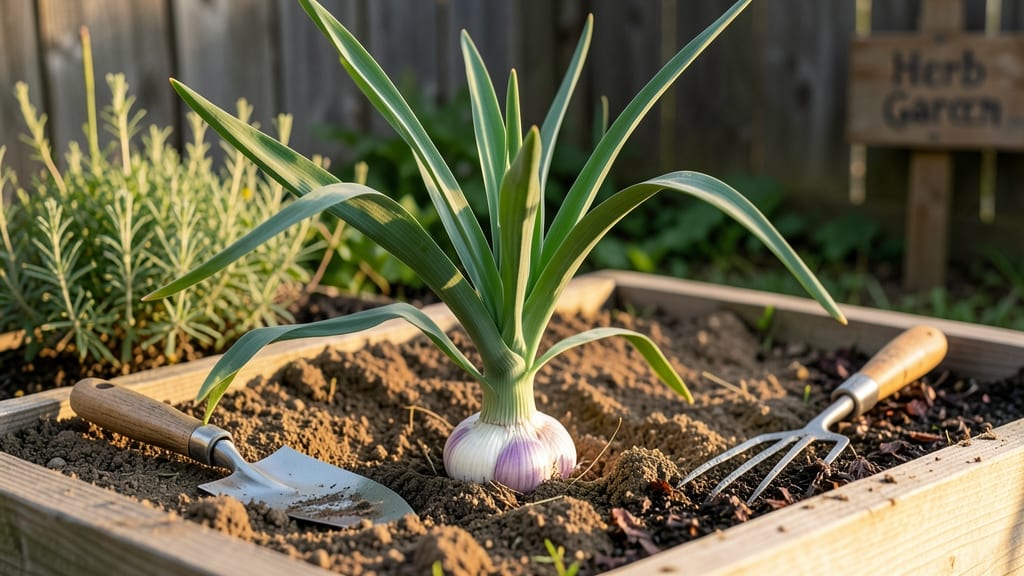
If you've ever wondered "when do you plant garlic in Zone 7", the answer could mean the difference between a bumper crop of 🧄 and a disappointing harvest.
Fall is the magic window for planting garlic in Zone 7, but timing it just right is key to giving those cloves the strong root system they need before winter sets in.
For gardeners in Zone 7a/7b, the ideal planting window stretches from mid-October through November—about 4-6 weeks before the ground freezes. This timing lets garlic establish roots before dormancy, setting the stage for plump bulbs next summer.
Plant too early, and you risk premature sprouting; too late, and the roots won't develop properly.
Whether you're growing hardneck or softneck varieties, the principles are the same. The goal is to get those cloves into well-draining soil, 2 inches deep, with the pointed end up.
In Zone 7, where winters can be chilly but not extreme, this timing ensures your garlic survives the cold and thrives when spring arrives.
Ready to grow garlic that rivals the grocery store? Let's dive into the exact deadlines, soil prep secrets, and common mistakes to avoid—so you can harvest flavorful bulbs come late summer. Your future meals will thank you!
Zone 7 garlic planting deadlines by month: exact fall timing for maximum yield
If you're growing garlic in Zone 7, timing your fall planting is critical to avoid weak bulbs or total crop failure. The sweet spot is 4-6 weeks before the ground freezes, which typically lands between mid-October and early November.
This window ensures garlic roots establish before winter dormancy, setting the stage for robust growth next spring.
Zone 7's climate—with first frosts arriving mid-October and last frosts in mid-to-late November—creates a narrow but precise timeframe. Plant too early, and your garlic may sprout prematurely; too late, and roots won’t develop enough to survive winter. Let’s break down the exact deadlines by month to maximize your harvest.
🌱 Did You Know?
Here’s your Zone 7 garlic planting timeline, including regional adjustments for Zone 7a (cooler) vs. Zone 7b (warmer):
For Zone 7a (cooler microclimates like the Appalachians or Pacific Northwest), aim for mid-October planting. In Zone 7b (warmer areas like Atlanta or Dallas), shift to late October to avoid heat stress. Use a soil thermometer to confirm temps are below 60°F—this prevents premature sprouting.
Pro tip: If you miss the fall window, you can plant garlic in early spring (February-March), but bulbs will be smaller and less flavorful. Fall-planted garlic benefits from vernalization (cold exposure), which triggers bulb formation. Don’t skip this step if you want restaurant-quality garlic!
After planting, mulch with 4-6 inches of straw or leaves to insulate roots during winter. This protects against freeze-thaw cycles and keeps soil temps stable. Remove mulch in early spring once shoots emerge to prevent rot.
Remember: Hardneck varieties (like Rockville or German White) thrive in Zone 7 and produce scape shoots in spring—harvest these for extra flavor! Softneck varieties (like Silverskin) store longer but need consistent cold exposure.
Zone 7 gardeners often ask: "Can I plant garlic in December?" The short answer is no. By December, soil temps are too cold for root establishment, and young plants risk freeze damage. Stick to the October-November window for the best results.
Finally, mark your calendar for late July-August harvest when lower leaves turn brown. The longer garlic grows in Zone 7’s warm summers, the larger and more flavorful your bulbs will be! 🧄
Zone 7 garlic planting deadlines by month: exact fall timing for maximum yield
Garlic thrives in Zone 7 when planted during its ideal fall window, which typically spans from mid-October through November. This timing ensures cloves establish roots before the ground freezes, setting the stage for robust bulb development.
For Zone 7a (colder microclimates), aim for planting by late October, while Zone 7b gardeners have until early November.
The exact deadline hinges on your last expected frost date. In Zone 7, this usually falls around mid-November for 7a and late November for 7b. Planting 4-6 weeks before this date gives garlic enough time to root deeply.
For example, if your frost date is November 15, plant between October 15 and November 1.
Miss the fall window? Spring planting is possible in Zone 7, but yields are often smaller. If you must plant in spring, do so as early as February to avoid heat stress. However, fall remains the gold standard for flavorful, large bulbs.
📅 Zone 7 Garlic Planting Timeline
| Month | Planting Window | Key Considerations |
|---|---|---|
| September | Early planting (Zone 7b only) | Risk of premature sprouting; best for late September in warmer microclimates. |
| October | Ideal window (mid-October) | Perfect balance: roots establish before frost; minimal sprouting risk. |
| November | Last chance (early November) | Plant by November 1 (Zone 7a) or November 15 (Zone 7b) for best results. |
| December | Not recommended | Soil too cold; roots won’t develop properly before winter. |
✅ Pro Tip: Use a soil thermometer to confirm soil temps are 40-50°F before planting.
Regional variations matter in Zone 7. Coastal areas may have milder winters, extending the planting window slightly, while inland zones should plant earlier. For example, Atlanta (Zone 7b) can plant until early November, while Chattanooga (Zone 7a) should finish by late October.
Hardneck varieties like 'Music' or 'German White' are ideal for Zone 7, as they thrive in cold winters. Softneck varieties ('Artichoke') can also work but may require earlier planting to avoid winter stress. Always choose firm, plump cloves from organic bulbs for the best starts.
Once planted, mulch with 4-6 inches of straw to insulate roots during winter. This protects against freeze-thaw cycles and keeps soil temps stable. Remove mulch in early spring to prevent rot and encourage growth.
Timing isn’t just about the calendar—it’s about soil conditions. Wait until soil temps drop below 70°F to prevent premature sprouting. Use a moisture meter to ensure soil is damp but not soggy before planting.
With the right timing, your Zone 7 garlic will reward you with bold flavors and large bulbs by late summer. 🧄