
Plants
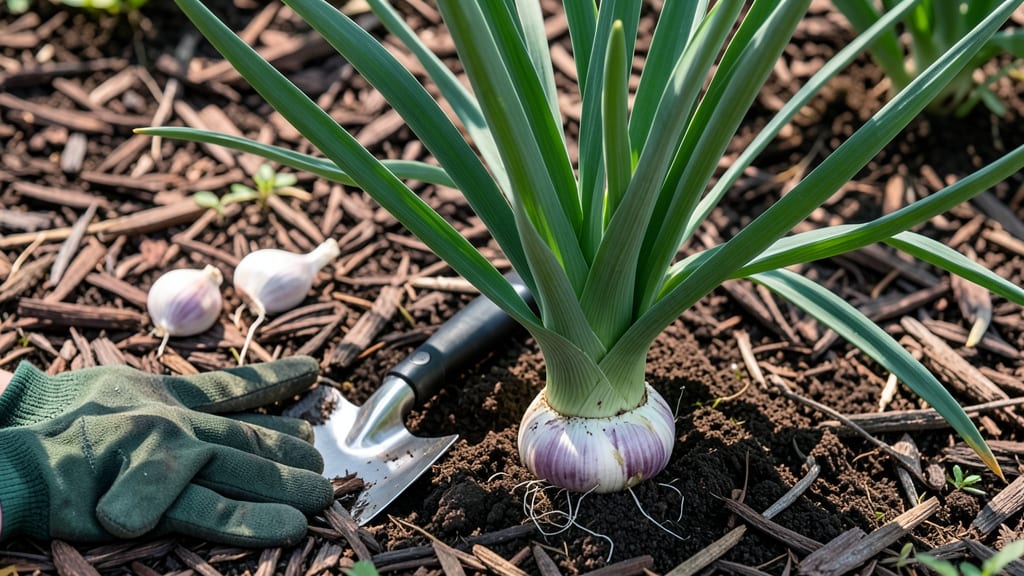
If you've ever planted garlic in Zone 9 and ended up with puny bulbs—or worse, bitter bolts—you're not alone. The key to growing zero-bolt, high-quality garlic in our mild winters lies in timing it just right during those crisp fall months.
Here's the secret: Planting your 🧄 cloves between October and December gives them the perfect window to establish roots before winter slows things down. Unlike colder zones, Zone 9's 9b climate means no harsh freezes to worry about, but getting the timing wrong can still sabotage your harvest.
What you're about to discover is how to nail that fall planting window—down to the exact weeks—to ensure your garlic develops into plump, flavorful bulbs by next summer.
We'll cover the ideal soil temperatures, regional adjustments for coastal vs. desert areas, and even how to spot when you've planted too early or too late.
Whether you're a first-time gardener or a seasoned grower, these game-changing tips will help you avoid common mistakes and maximize your garlic's potential in our unique climate. Let's get those cloves in the ground at the perfect moment!
Best fall planting window for zero-bolt garlic in Zone 9
In Zone 9, garlic thrives when planted in fall—but timing is everything. Unlike colder climates, Zone 9’s mild winters mean you must plant before temperatures drop too low to prevent bolting (flowering) or stunted growth.
The sweet spot is October through December, when soil temps hover between 40°F and 60°F—ideal for root establishment without triggering early bolting.
Garlic planted too early (like September) may bolt prematurely, while planting too late (January+) risks weak bulb development. The key is 6–8 weeks before winter rains to give roots time to anchor before heavy moisture arrives.
In Southern California, aim for late October to November, while desert regions (like Phoenix) should plant by mid-October to avoid extreme heat stress.
Why fall? Garlic needs cold vernalization (a period of cool temps) to form bulbs, but Zone 9’s winters are too mild for spring planting. Fall planting lets garlic overwinter slowly, developing strong roots before spring growth. Skip this window, and you’ll likely end up with small, pungent cloves—or worse, no harvest at all.
Here’s the golden rule: Plant when daytime highs are 70°F or lower and nights dip into the 50s°F. This balance ensures root growth without bolting. Use a soil thermometer to confirm temps are below 60°F at planting time—this is your cue to dig in those cloves!
| Planting Window | Ideal Soil Temp | Zone 9 Region | Key Consideration |
|---|---|---|---|
| Late October | 55–60°F | Coastal (San Diego) | Avoid early rains; wait for stable temps |
| November | 50–55°F | Inland (Los Angeles) | Best balance of cool temps and moisture |
| Early December | 45–50°F | Desert (Phoenix) | Plant before winter rains; mulch heavily |
| January (last chance) | 40–45°F | All Zone 9 | Risk of smaller bulbs; prioritize hardneck varieties |
Pro tip: Hardneck garlic (like ‘Silverskin’ or ‘Purple Stripe’) handles Zone 9’s mild winters better than softneck types. If you’re in a warmer microclimate (e.g., Palm Springs), opt for ‘Artichoke’ garlic, which tolerates heat better.
Always plant individual cloves, pointed end up, 2 inches deep and 4–6 inches apart in well-draining soil.
After planting, mulch with 2–3 inches of straw to insulate roots and retain moisture. This is non-negotiable in Zone 9—without mulch, soil temps can fluctuate wildly, stressing your garlic.
In desert areas, add a lightweight row cover if nights dip below 40°F to prevent frost damage, even though Zone 9 rarely sees it.
One common mistake? Planting too shallow. Garlic cloves need depth to anchor roots and resist bolting.
If your soil is sandy (common in desert regions), amend it with compost or aged manure to improve moisture retention. Well-draining soil is critical—garlic hates soggy roots, which lead to rot and lost harvests.
By mid-winter, your garlic should show 2–3 inches of green growth. This confirms it’s established roots and ready for spring’s active growth phase. If you see bolting stalks (scape) by February, it’s a sign you planted too early or in overly warm soil.
While you can snip the scape to redirect energy to bulbs, it’s better to time planting perfectly from the start.
Remember: Zone 9 garlic is a long-game crop. What you plant in fall won’t harvest until June–July of the following year. But with the right timing, you’ll pull out plump, flavorful bulbs that put store-bought to shame. The secret? Patience and precision—just like the best gardeners do.
Best fall planting window for zero-bolt garlic in Zone 9
In Zone 9, the perfect window for planting garlic cloves spans from mid-October through December, but the exact timing depends on your local microclimate. Unlike colder zones, we don't need winter dormancy to trigger bulb formation—just cool (50-60°F) soil temperatures and consistent moisture.
For zero-bolt results, aim to plant when daytime highs drop below 75°F but before heavy winter rains arrive. This balance ensures roots establish before winter slows growth—but not so early that heat stress triggers bolting.
Here’s the breakdown: October 15–31 is ideal for most of Zone 9, while November works for coastal areas with milder winters. Never plant after December 15, or you risk stunted bulbs.
| Month | Soil Temp (°F) | Key Cue | Action |
|---|---|---|---|
| Mid-October | 60–70°F | Daytime highs drop below 75°F | Plant hardneck varieties |
| Late October | 55–65°F | First light frost risk (coastal) | Plant softneck varieties |
| November | 50–60°F | Soil stays cool year-round | Final planting window (desert zones) |
| December | 45–55°F | Heavy rain imminent | Avoid—risk of rot |
Pro tip: Use a soil thermometer to confirm temps. If your soil stays above 65°F into November, opt for shade cloth to cool the bed. This trick works wonders in desert regions like Phoenix.
For hardneck varieties, plant by November 1 to ensure scapes form next spring. Softneck types are more forgiving and can handle December plantings in coastal areas like San Diego.
Remember, garlic needs 6–8 months to mature. Planting in late December or January will yield tiny bulbs—if they form at all. Timing is everything in Zone 9! 🌱