
Plants
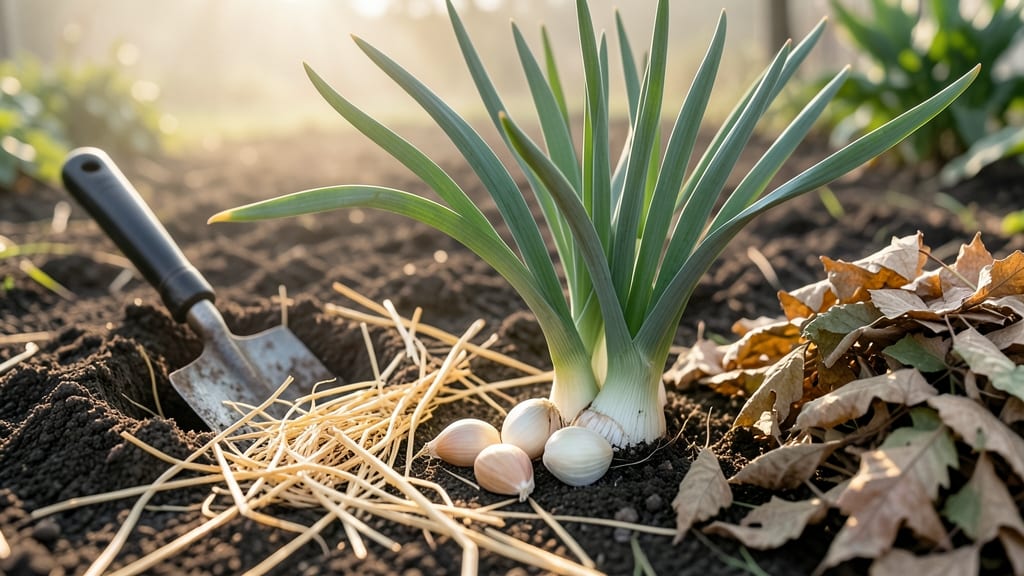
Timing your garlic bulb planting in Zone 5 can make or break your harvest—because those 6 weeks in fall are the only chance for hardneck varieties to thrive. Plant too early, and your cloves rot; too late, and they won’t develop properly.
The sweet spot? A crisp October day when soil temps hover between 40-50°F—but how do you know when that’ll be?
Most gardeners in Zone 5 rush to plant as soon as leaves change color, but that’s often too early. The key is waiting until the ground cools but hasn’t frozen yet—typically 4-6 weeks before your first hard frost.
This cold snap triggers bulb formation, setting the stage for next summer’s harvest. Miss it, and you’ll end up with skinny, weak cloves that won’t store well.
Here’s the secret: hardneck garlic needs that winter chill to produce scapes (those prized garlic shoots) and plump bulbs. Softneck varieties might tolerate spring planting, but hardnecks? They’ll barely break the surface.
I’ll walk you through exactly how to time it, adjust for your microclimate, and avoid the 3 biggest mistakes that sabotage Zone 5 garlic growers every year.
Ready to grow bigger, healthier garlic? Let’s break down the perfect planting window, soil prep tricks, and post-planting care so you’re harvesting juicy bulbs in July—not scraggly stems. Your future meals (and bragging rights) will thank you.
Optimal fall planting window for Zone 5 garlic: exact dates and climate factors
Timing is everything when planting garlic bulbs in Zone 5. The 6-week window between late September and mid-October gives garlic roots time to establish before winter dormancy.
This period aligns with soil temperatures dropping to 40-50°F, which triggers bulb formation. Planting outside this window risks poor bulb development or frost damage.
Zone 5’s first hard frost typically arrives around November 15, so aim to plant 4-6 weeks before this date. For example, if your frost date is November 20, plant between October 5 and October 15. This timing ensures garlic has enough time to root before the ground freezes.
The moonlight phase also plays a subtle but important role. Planting during a waning moon (just after the full moon) is traditionally believed to encourage stronger root growth. Check your local moon phase calendar to align your planting with this natural rhythm for potentially better yields.
Adjust your planting schedule based on early or late frosts. If your area experiences an unusually early frost in mid-October, shift planting to early September.
Conversely, if winters are mild, you might extend planting into early November—but avoid planting after November 15, as garlic needs cold exposure to form bulbs.
🌱 Zone 5 Garlic Planting Timeline
| Stage | Action | Soil Temp |
|---|---|---|
| Pre-Planting (Late Sept) | Prepare soil, break up clods | 50-60°F |
| Planting (Oct) | Plant cloves 2" deep, 4-6" apart | 40-50°F |
| Winter Dormancy | Mulch with straw, protect from rodents | Below freezing |
| Spring Growth | Remove mulch, fertilize lightly | 40-60°F |
| Harvest (July-Aug) | Cure bulbs in dry, shady place | 70-80°F |
Soil preparation is just as critical as timing. Work compost or aged manure into the soil before planting to ensure garlic has access to nutrients. Aim for a pH between 6.0 and 7.0, as garlic prefers slightly acidic to neutral soil.
Test your soil in early fall to make adjustments if needed.
For container gardening, plant garlic in deep pots (12"+ depth) with well-draining soil. Use the same timing guidelines but monitor soil moisture closely, as containers dry out faster. Place pots in a sunny location and protect them from extreme cold with extra mulch or frost blankets.
Pro tip: Use hardneck garlic varieties like 'German White' or 'Music', which thrive in Zone 5’s climate. These varieties produce scape stalks (flower stems) in spring, which you can harvest for cooking or save for planting.
Softneck varieties, like 'Silverskin', can also be planted in fall but are less cold-hardy.
If you miss the fall window, you can still plant garlic in early spring (March), but yields will be smaller. Spring-planted garlic lacks the cold vernalization period needed for full bulb development. For best results, stick to the fall planting window and enjoy a bountiful harvest the following summer.
Optimal fall planting window for Zone 5 garlic: exact dates and climate factors
Zone 5 gardeners have a 6-week window to plant garlic bulbs—typically from late September to mid-October. This isn’t just a random guess; it’s based on your soil temperature dropping to 40-50°F, which signals the plant to start bulb formation.
If you plant too early (like in August), your cloves may rot before winter. Too late (after November), and the cold won’t trigger proper growth.
The magic happens when the ground is cool enough to prevent decay but hasn’t frozen solid. In most of Zone 5, this lands between October 1st and November 15th, but your exact date depends on your last frost date and local microclimate.
For example, if you’re in Chicago (Zone 5a), aim for mid-October, while Denver (Zone 5b) might wait until early November.
Here’s the secret most gardeners miss: moonlight phases actually influence garlic growth. Planting during a waxing moon (when the moon is growing brighter) can encourage stronger bulb development. Check a lunar planting calendar for your region—it’s a trick I swear by for bigger harvests!
| Factor | Zone 5 Specification | Why It Matters |
|---|---|---|
| Soil Temperature | 40-50°F | Triggers bulb formation; too warm = rot, too cold = dormancy. |
| Planting Window | Late Sept - Mid Oct | 6-week range ensures cold exposure for hardnecks. |
| Moon Phase | Waxing moon | Encourages stronger bulb development. |
| Frost Timing | 4-6 weeks before first hard frost | Allows roots to establish before winter. |
Adjust your timing if your fall is unusually warm or cold. For example, if your October temperatures stay above 60°F, wait until early November. Conversely, if a hard frost hits by October 15th, plant by mid-September.
Always check your local frost dates—the USDA Plant Hardiness Zone Map is your best friend here.
Pro tip: Use a soil thermometer to confirm temps. Stick it in the ground where you’ll plant—if it reads below 40°F, wait a few days. I’ve ruined garlic crops by planting too early when the soil was still too warm. Don’t make my mistake!
Once you’ve nailed the timing, focus on soil prep. Garlic loves loose, well-draining soil with a pH of 6.0-7.0. Work in 2-3 inches of compost before planting to give those bulbs the nutrients they’ll need for next summer’s harvest. 🌱