
Plants
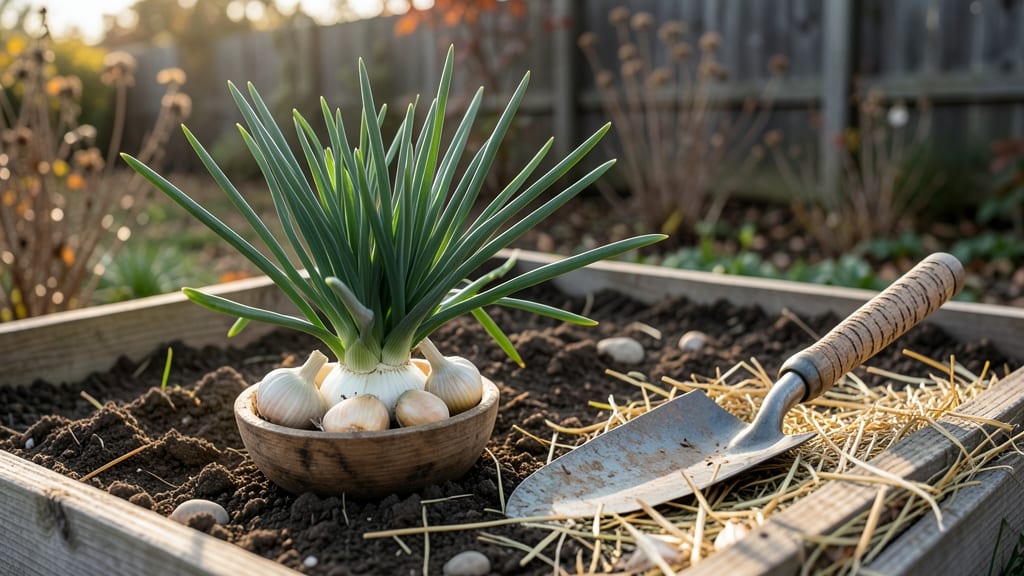
Planting garlic in North Carolina at the wrong time can turn your 🧄 dreams into disappointment—bolting bulbs or weak harvests ruin all that hard work. The key to success lies in understanding your region's unique climate, whether you're in the cooler mountains or warmer coastal plains.
Most gardeners in zones 6a-8b should plant between October and November, but timing shifts depending on where you live. In the mountains, you might start as early as September, while coastal areas need to wait until late October to avoid winter damage.
Getting this right ensures your garlic establishes strong roots before the ground freezes.
I’ll walk you through the exact deadlines for your area, plus soil prep tips to give your garlic the best possible start. Whether you’re a beginner or a seasoned gardener, these fall planting strategies will help you avoid common mistakes and grow plump, flavorful bulbs by next summer.
Ready to turn your garden into a garlic powerhouse? Let’s dive into the regional planting schedule that’ll keep your crop thriving from soil to harvest.
North Carolina’s fall garlic planting deadlines by region
North Carolina’s diverse climate means your garlic planting deadline depends heavily on where you live. The Piedmont region (like Raleigh and Greensboro) typically has 6-8 weeks before the first frost—aim for mid-October to early November.
Meanwhile, the Coastal Plain (e.g., Wilmington) stays warmer longer, giving you until late November, while the Mountains (Asheville area) require earlier planting by mid-September to avoid winter damage.
These deadlines ensure garlic bulbs establish strong roots before the ground freezes, preventing bolting (premature flowering) and weak harvests. The key is planting 4-6 weeks before your average first frost date, which varies by 500 feet in elevation across NC. Check your local USDA Zone (6a-8b) for precision.
Here’s how to adapt your timing:
| Region | Key Counties | Ideal Planting Window | Soil Temp Goal (°F) | Frost Risk |
|---|---|---|---|---|
| Mountains | Asheville, Boone, Waynesville | Mid-September to early October | 50-60°F | High (first frost: Oct 15-Nov 1) |
| Piedmont | Raleigh, Greensboro, Charlotte | Mid-October to early November | 55-65°F | Moderate (first frost: Nov 1-15) |
| Coastal Plain | Wilmington, Fayetteville, Jacksonville | Late October to late November | 60-70°F | Low (first frost: Nov 20-Dec 10) |
🌱 Pro Tip: Use a soil thermometer to confirm temps—garlic roots need consistent 50°F+ for 6+ weeks.
For hardneck varieties (like Music or Chesnok Red), stick to the early side of these windows—they need cold exposure to form bulbs. Softneck varieties (e.g., Silverskin) are more flexible but still benefit from cooler temps.
If you miss the deadline, wait until early December in milder zones, but yields may suffer.
Soil temperature is more critical than air temperature. Use a soil thermometer to confirm your garden bed is 50-60°F at planting time. If it’s warmer, delay until temps drop—hot soil triggers bolting. In the Mountains, where frosts arrive early, prioritize well-draining soil to prevent rot during winter thaws.
Mulch heavily (4-6 inches of straw or leaves) after planting to insulate bulbs. In the Coastal Plain, where winters are milder, a light mulch (2-3 inches) suffices to retain moisture without overheating the soil. Remove mulch in late winter to prevent fungal issues as temps rise.
Local weather patterns can shift deadlines by 1-2 weeks. Check the NC State Climate Office for your county’s frost history. For example, Asheville’s average first frost is October 25, while Wilmington’s is November 28. Adjust accordingly—your garlic’s success hinges on these details.
If you’re unsure about your region’s specifics, plant a test row 2 weeks early and one 2 weeks late. This hedges your bets against unpredictable winters. Remember: bolting (flowering) is irreversible and ruins bulbs, so timing is non-negotiable.
Once planted, garlic is low-maintenance until spring. Focus on weed control early on and avoid fertilizing—too much nitrogen promotes leafy growth at the expense of bulbs. By June, you’ll harvest plump, flavorful garlic if you nailed the fall deadlines.
🌱
North Carolina’s fall garlic planting deadlines by region
North Carolina’s diverse climate means your garlic planting deadline depends heavily on where you live. The Piedmont region (including Raleigh and Greensboro) has the most flexible window, while coastal areas (like Wilmington) need to plant later to avoid winter damage.
In the mountains (Asheville, Boone), you can start as early as early September.
For most of NC, aim to plant 4-6 weeks before your first hard frost. This typically falls between mid-October and early November for the Piedmont, but coastal gardeners should wait until late October to November.
Mountain gardeners can push the window to September 15-October 15 thanks to cooler temperatures.
Use these regional guidelines to avoid bolting (premature flowering) or weak bulb development. Bolting occurs when garlic experiences temperature fluctuations too early in its growth cycle, so precise timing is critical. Let’s break down the exact deadlines by region to help you plan.
| Region | USDA Zone | Ideal Planting Window | Key Considerations |
|---|---|---|---|
| Mountains (Asheville, Boone) | 6a-7a | September 15 - October 15 | Cooler temps allow earlier planting; frost arrives by late November. |
| Piedmont (Raleigh, Greensboro) | 7b-8a | October 1 - November 1 | Balanced climate; avoid planting after mid-November to prevent winter kill. |
| Coastal Plain (Wilmington, Fayetteville) | 8a-8b | October 20 - November 10 | Warmer winters; plant later to avoid early sprouting from mild soil temps. |
If you’re unsure about your last frost date, check the NC State Extension or local weather reports. For example, Asheville’s first frost typically hits around October 20, while Wilmington’s arrives closer to November 15.
Adjust your planting window accordingly to give garlic enough time to establish roots before winter sets in.
Pro tip: Use a soil thermometer to monitor temperatures. Garlic cloves need soil temps between 40°F and 50°F for optimal root growth. If your soil is too warm (above 50°F), wait a few weeks before planting to prevent premature sprouting.
Once you’ve nailed your planting window, focus on soil preparation. Garlic thrives in well-draining, slightly acidic soil (pH 6.0-7.0). Work in 2-3 inches of compost and avoid fresh manure, which can burn young roots. Mulch heavily with straw after planting to insulate bulbs through winter fluctuations.