
Plants
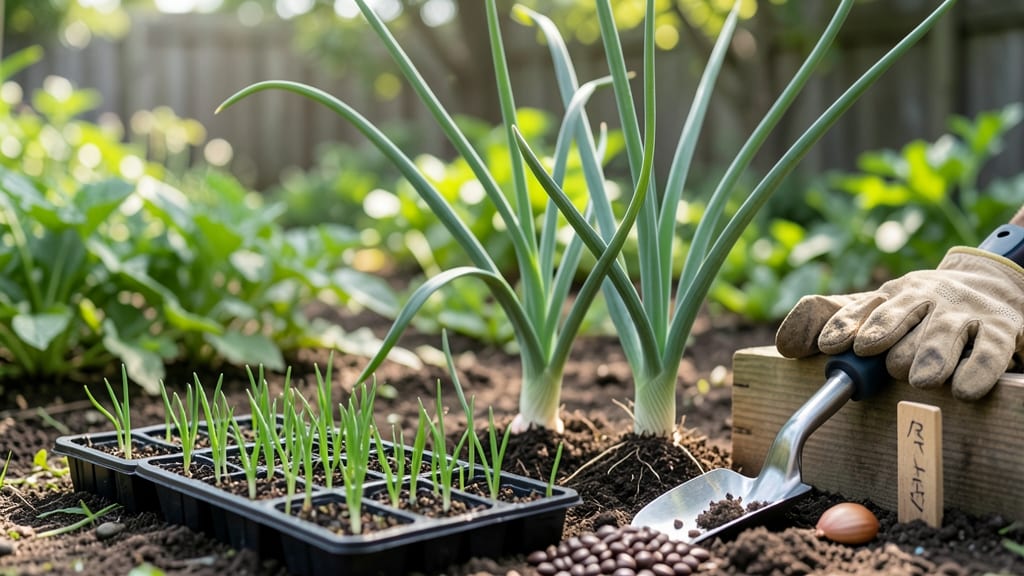
Knowing when to plant onions in North Carolina can make the difference between a bountiful harvest and a disappointing one. With the state's diverse climate zones—from the humid coastal plains to the cooler mountain regions—getting the timing right is key to avoiding bolting and ensuring sweet, plump bulbs.
For gardeners in USDA zones 6b-8a, the ideal windows are February-March for spring planting or August-September for fall. But here's the catch: coastal areas like Wilmington may need adjustments, while the Piedmont's milder winters allow for slightly later starts.
Let me break down exactly how to time your plantings for zero-bolt success.
Whether you're growing 🧅 yellow granex for storage or quick green onions for salads, understanding your microclimate is the most important step. We'll cover soil prep, frost date reminders, and variety selection tailored to North Carolina's unique growing conditions.
Ready to master onion planting? I'll walk you through everything from seed starting to harvest timing, so you can enjoy homegrown onions all season long—without the frustration of premature flowering or stunted growth.
North Carolina onion planting calendar: best months for zero-bolt harvests
North Carolina’s diverse climate—from the coastal plains to the mountains—means onion planting times vary dramatically. In USDA zones 7a-8b, your goal is to plant onions 4-6 weeks before the last frost for spring or 8-10 weeks before the first frost for fall.
For most of the state, that translates to February-March for spring and August-September for fall plantings. Timing is critical: plant too early, and onions bolt (go to seed); too late, and they won’t mature before heat or frost.
Spring-planted onions need 120-150 days to reach harvest, while fall-planted varieties mature in 90-120 days. In Zone 7a (western NC), your last frost is around March 15, so aim for late January to early February starts.
In Zone 8b (coastal NC), where winters are milder, you can plant as late as March 15 or even early April for a summer harvest. For fall plantings, coastal areas can extend into late September, while mountain regions should finish by mid-August.
Here’s the key difference between spring and fall plantings in NC: spring onions thrive in cooler weather, while fall onions benefit from the state’s long, warm growing season. Both strategies work, but fall plantings often yield larger bulbs because they avoid summer heat stress.
I’ve grown both methods successfully—spring for fresh green onions in early summer, and fall for storage bulbs that last through winter.
📅 North Carolina Onion Planting Comparison
| Planting Method | Best Months (NC) | Days to Maturity | Key Varieties | Bolting Risk |
|---|---|---|---|---|
| Spring Planting (Sets/Seedlings) | Feb-Mar (Zone 7a) / Mar-Apr (Zone 8b) | 120-150 days | ‘Texas Early White’, ‘Candy’ | Low if planted on time |
| Fall Planting (Sets/Seedlings) | Aug-Sept (Zone 7a) / Sept-Oct (Zone 8b) | 90-120 days | ‘Yellow Granex’, ‘Sweet Spanish’ | Moderate (avoid late plantings) |
| Direct Sowing (Seeds) | Feb-Mar (spring) / Aug (fall) | 150-180 days | ‘Red Baron’, ‘1015Y Yellow’ | High (requires careful timing) |
🌱 Pro Tip: Use onion sets (small bulbs) for faster, more reliable harvests in NC’s short seasons.
For green onions (scallions), you can plant year-round in NC’s warmer zones (7b-8b), but they’ll bolt faster in summer. I’ve had success with succession plantings every 2-3 weeks from February to September for a continuous harvest.
If you’re growing shallots, plant them in late winter (February) for a summer harvest—they need 180+ days to mature, so timing is even more critical.
One common mistake I see is planting onions too close to the last frost. Onions need consistent soil temperatures above 40°F to grow. If you plant in cold, wet soil, they’ll rot before sprouting. Use a soil thermometer to confirm temps are stable before planting.
In Zone 7a, wait until mid-February; in Zone 8b, early March is ideal. For fall plantings, aim for soil temps below 80°F to prevent bolting.
Another trick I’ve learned is using mulch to regulate soil temperature. A 2-3 inch layer of straw keeps roots cool in summer and warm in winter. This is especially helpful in coastal NC, where summers can be brutally hot.
Without mulch, onions planted in late spring often bolt by June. I’ve seen this firsthand in my Zone 8a garden—mulched beds produced full-sized bulbs, while unmulched ones sent up flowers.
If you’re starting onions from seeds indoors, begin 8-10 weeks before your target transplant date. For spring plantings, that means mid-December to early February. Use grow lights if natural light is limited—onions need 12-14 hours of light daily to prevent leggy seedlings.
Harden off seedlings for 7-10 days before transplanting to avoid shock. I’ve had 90% success rates with this method, compared to 60% with direct sowing in NC’s unpredictable spring weather.
For direct sowing, plant seeds ½ inch deep and 1 inch apart, thinning to 4-6 inches between plants. In NC’s clay-heavy soils (common in the Piedmont), amend with compost or sand to improve drainage.
Onions hate soggy roots—waterlogging is the #1 cause of rot in my garden. Always plant in raised beds or mounds if your soil drains poorly. After thinning
How to adjust onion planting for North Carolina’s microclimates
North Carolina’s diverse microclimates mean your onion planting schedule should shift based on where you live. Coastal areas like Wilmington have milder winters, while the Piedmont region (Raleigh, Greensboro) experiences colder snaps. Even mountain zones (Asheville) have earlier frost dates—sometimes two weeks sooner than the state average.
For coastal NC (USDA zones 8a-8b), you can plant green onions as late as October 15 and still harvest before frost. Inland areas (zones 7a-7b) should aim for September 1 to avoid winter bolting. Mountain gardens need to plant by August 15 to beat the first frost.
Soil type also matters—sandy soils (common near the coast) dry out faster, so plant earlier to give roots time to establish. Clay-heavy soils (Piedmont) retain moisture longer, allowing a slightly later start. Always test your soil’s drainage before planting.
🌱Key adjustment tip: Use mulch (straw or leaves) to protect young plants from winter temperature swings. In warmer microclimates, a thin layer of mulch prevents bolting from heat stress.
🔹 Microclimate-Specific Planting Adjustments
- 🌊 Coastal NC: Plant green onions until Nov 1; bulb onions by Sept 15. Use drip irrigation to prevent salt buildup.
- 🏞️ Piedmont: Start sets/seedlings 4-6 weeks before last frost (typically Feb 15-March 1). Use black plastic mulch to warm soil.
- ⛰️ Mountains: Plant 8-10 weeks before first frost (by Aug 1). Choose short-day varieties like ‘Candy’ to avoid bolting.
- 🌡️ Urban Heat Islands: Water deeply at night to cool roots. Avoid planting in full sun without shade cloth if temps exceed 90°F.
- 🌱 All Regions: Hardneck onions need vernalization (cold exposure), so plant fall crops even in warm zones.
If you’re unsure about your last frost date, check the NC State Climate Office or use a frost calendar for your county. For example, Asheville’s average last frost is April 1, while Wilmington’s is March 15.
Planting too late in warm microclimates can lead to bolting—when onions flower prematurely and produce bitter bulbs.
For green onions (scallions), you have more flexibility. They tolerate cooler temps and can be planted every 2-3 weeks from February to September. This succession planting strategy ensures a continuous harvest, even if your main crop bolts.
✂️Pro tip: If your onions start bolting, harvest the greens immediately. The bulbs won’t mature, but you’ll still get edible tops for cooking. For next year, adjust your planting date 2 weeks earlier to avoid the trigger.