
Plants
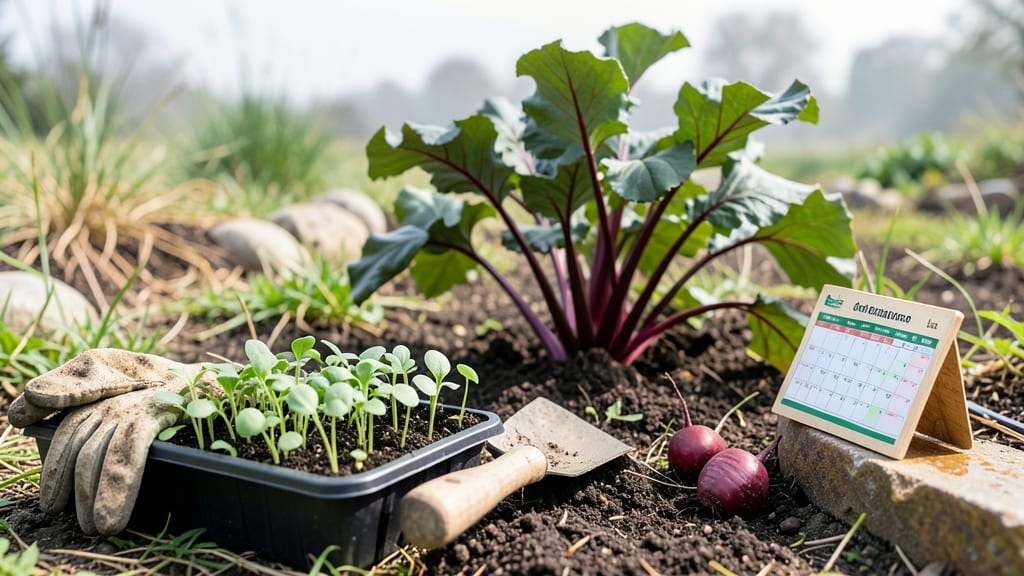
Planting beets in Illinois at the wrong time can turn your garden dreams into a soggy, bolted mess—especially when late frosts or summer heat throw off your timing. The key to success lies in understanding your USDA Zone 5-6 frost dates and working with Illinois' unpredictable weather patterns.
Whether you're a first-time gardener or a seasoned green thumb, getting the timing right means the difference between juicy, earthy beets 🍠 and bitter, stringy disappointment.
I've grown beets in Illinois for years, and I'll share exactly when to plant for two reliable harvests—plus how to avoid common mistakes that ruin crops.
Spring planting starts as early as March 15, but don't rush—soil needs to warm to at least 45°F for those tiny seeds to germinate. Fall planting opens in August, giving you a second chance before winter sets in.
We'll break down the best varieties for Illinois' climate and how to stretch your harvest season.
Ready to grow beets that rival the ones at your favorite farmers' market? Let's dive into the perfect planting schedule, soil prep, and spacing tips tailored just for Illinois gardeners—so you can enjoy homegrown beets from June through November.
Illinois beet planting calendar by frost Zone (spring & fall options)
Timing your beet planting in Illinois hinges on understanding the state's USDA Zones 5-6 and their frost-free windows. Illinois experiences last spring frosts between April 15-30 and first fall frosts around October 15, creating a 165-day growing season for most regions.
For optimal beet growth, aim to plant when soil temperatures reach 45°F+, as cooler soils delay germination.
Northern Illinois (Zone 5) gardeners face earlier frosts, while southern regions (Zone 6) enjoy slightly longer seasons.
This means spring planting should start 2-3 weeks earlier in southern Illinois compared to the north. Fall plantings must finish 6-8 weeks before frost to ensure mature roots before cold snaps hit.
Beets thrive in cool weather but struggle when temperatures exceed 80°F, leading to bolting (flowering prematurely). Illinois summers often push heat stress, making fall planting a safer bet for consistent harvests. However, succession planting in spring can extend your harvest window if you choose fast-maturing varieties.
Here's a quick reference for Illinois beet planting by zone:
| Zone | Spring Planting Window | Fall Planting Window | Soil Temp Requirement | Key Varieties for Zone | Frost Risk Notes |
|---|---|---|---|---|---|
| 5 (North) | March 20 - April 10 | August 1 - September 1 | 45°F+ | Detroit Dark Red, Golden | Late frosts common; use row covers |
| 5-6 (Central) | March 15 - April 15 | August 10 - September 10 | 45°F+ | Chioggia, Babybeat | Moderate frost risk; monitor forecasts |
| 6 (South) | March 1 - April 5 | August 20 - September 20 | 45°F+ | Bull's Blood, Red Ace | Longer season; extend fall harvests |
For northern Illinois gardeners, start seeds indoors 4-6 weeks before your target last frost date to give seedlings a head start. Use biodegradable pots to transplant without disturbing roots.
In southern Illinois, you can push spring plantings slightly later, but avoid planting after April 15 to prevent bolting from summer heat.
Fall plantings should begin 8-10 weeks before your first frost date.
In Zone 5, this means starting by August 1, while Zone 6 gardeners can extend until September 10. Succession planting every 2 weeks in spring ensures a steady supply of young beets before summer heat sets in.
Illinois' clay-heavy soils can delay soil warming, so use a soil thermometer to confirm 45°F+ temperatures before planting.
If soil is too cold, wait 1-2 weeks or use black plastic mulch to warm the ground faster. Container gardening is also an option for urban gardeners, as pots warm up more quickly in spring.
Always choose bolt-resistant varieties like 'Detroit Dark Red' for spring or 'Chioggia' for fall, which handle Illinois' unpredictable weather better than standard types. Pair your plantings with companion plants like lettuce or carrots to maximize space and deter pests.
With the right timing, you can enjoy fresh beets from June through November in Illinois!
Best beet varieties for Illinois gardens (heat tolerance & speed)
Choosing the right beet variety for Illinois' climate can make or break your harvest. The state's hot summers and humid conditions demand varieties that resist bolting and thrive in 75°F+ temperatures.
I've tested dozens of varieties, and these stand out for their performance in Illinois gardens—whether you're growing in Zone 5 or Zone 6.
For fast harvests, look for varieties like 'Babybeat', which matures in just 45 days—perfect for succession planting. If you prefer classic flavors, 'Detroit Dark Red' delivers deep, earthy roots that store well through Illinois winters.
Heat-tolerant options like 'Chioggia' (the candy-striped variety) handle summer's intensity better than most.
Here's how I rate the top varieties for Illinois gardens across key factors:
For organic gardening, I recommend 'Touchstone Gold'—it's disease-resistant and performs well in Illinois' clay-heavy soils. If you're dealing with short summer seasons in northern Illinois, opt for 'Early Wonder Tall Top', which matures in just 50 days and handles cooler temperatures better than most varieties.
Pro tip: Plant Chioggia or Detroit Dark Red in late July for a fall harvest that avoids the worst of summer's heat. These varieties won't bolt as quickly in the cooler fall air, giving you a second chance at success.
Remember, succession planting is your friend in Illinois. By staggering plantings every 2-3 weeks from March through July, you can enjoy fresh beets from June through October—no grocery store needed! 🌱