
Planting
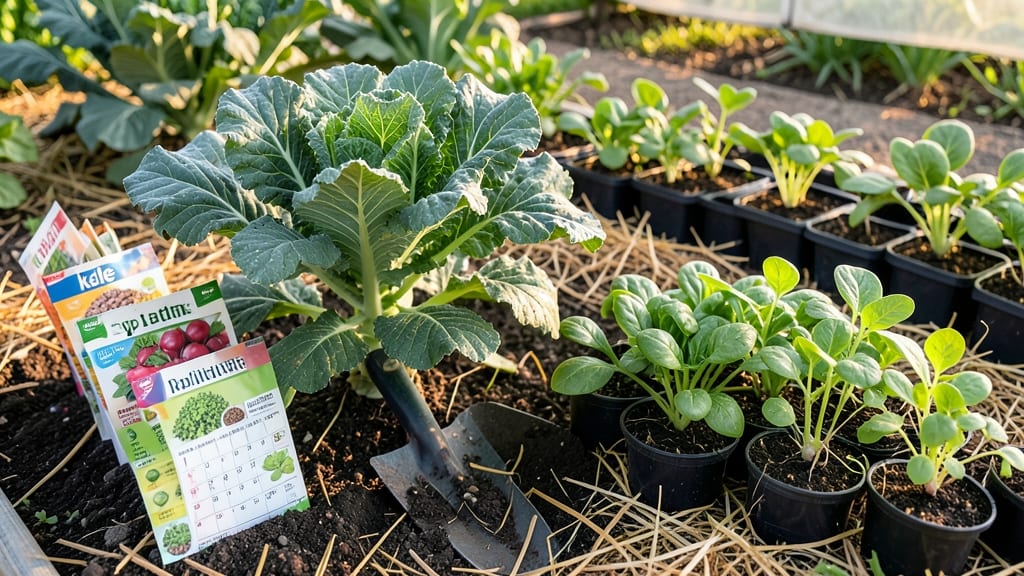
Timing when to plant a garden in North Dakota isn’t just about luck—it’s about beating the clock before frost strikes. With USDA zones 3a-4b and a short growing window, planting too early risks frost damage, while waiting too long means missing peak harvests entirely.
I’ve spent years perfecting the schedule for this region, and the key is knowing when to start cool-season crops (like spinach) versus heat-lovers (like tomatoes). The last frost typically hits around May 10, but soil temperature and microclimates play a huge role—especially in North Dakota’s unpredictable weather.
In this guide, I’ll break down the exact planting windows for your General Garden, whether you’re sowing seeds indoors, transplanting seedlings, or going straight into the ground. You’ll learn how to maximize your 120 frost-free days and even extend the season with simple tricks.
Ready to turn your North Dakota garden into a thriving oasis? Let’s dive into the perfect planting calendar tailored for your zone and the crops you love most.
North Dakota frost dates by planting Zone: when to start cool vs warm-season crops
North Dakota’s USDA Plant Hardiness Zones 3a-5b mean your planting schedule hinges on precise frost timing. The average last spring frost arrives between May 5-15, while the first fall frost typically hits September 15-25.
These dates shrink your growing window to just 120 frost-free days—so planning is everything.
Your zone determines what you can grow. In Zone 3a (northern ND), cold-hardy crops like kale and peas can start in early April, while Zone 5b (southern ND) allows tomatoes and peppers to thrive with later starts. Always check your local Almanac frost dates—they vary yearly.
Cool-season crops (spinach, lettuce, broccoli) tolerate light frosts and can start 4-6 weeks before last frost. Warm-season crops (tomatoes, cucumbers, peppers) need soil temps above 50°F and should wait until 2 weeks after last frost.
🌱 North Dakota Planting Timeline by Zone
| Zone | Last Frost | Cool-Season Start | Warm-Season Start | First Frost |
|---|---|---|---|---|
| 3a (Minot, Devils Lake) | May 15 | Early April | June 1 | September 15 |
| 4a (Bismarck, Fargo) | May 10 | Late March | May 20 | September 20 |
| 5a (Jamestown, Valley City) | May 5 | Mid-March | May 10 | September 25 |
| 5b (Grand Forks, Dickinson) | May 1 | Late March | May 15 | October 1 |
*Dates are averages—check local forecasts for real-time adjustments.
For Zone 3a growers, focus on fast-maturing varieties like bush beans (50 days) or radishes (25 days). In Zone 5b, you can stretch your season with late tomatoes (70+ days) or peppers (80+ days) by using row covers.
Always test your soil temperature with a thermometer—40°F is ideal for peas, while 60°F+ is needed for cucumbers. Cold soil delays germination, even if air temps are warm.
Pro tip: Use frost cloth to push warm-season starts 2-3 weeks earlier. Remove it when plants are established (around May 20-30, depending on your zone).
Fall planting is your second chance! Direct-seed spinach and kale by July 15 for harvests before frost. For warm-season crops, start transplants indoors in June to set out by August 1.
Remember: Succession planting is key in ND. Sow lettuce every 2 weeks from April to July, and beans every 3 weeks from May to August for continuous harvests.
Track your local frost dates using the ND State Climate Office or Old Farmer’s Almanac. Adjust for microclimates—south-facing slopes warm faster than low-lying areas.
Best planting schedule for North Dakota’s most popular garden vegetables
North Dakota’s short growing season means every week counts. I’ve planted peas in March only to lose them to frost—until I learned to match varieties with the right planting windows.
Here’s my battle-tested schedule for the top ND garden staples, including when to start indoors and when to direct-sow.
For cool-season crops like spinach and kale, I start seeds indoors by March 15 and transplant after the last frost (around May 10). These hardy greens tolerate light frosts, so I often get two harvests: one in early summer and another in fall after September 1.
Warm-season lovers like tomatoes and peppers need to wait until after May 20—when soil temps hit 55°F+. I use row covers to jumpstart tomato seedlings in late April, but I’ve learned the hard way that cucumbers planted before June 1 often bolt in ND’s unpredictable heat.
🌱 Pro Tip: Use this numbered timeline below to align your planting with ND’s 120-day frost-free window. For example, potatoes go in by April 15 (they need 90 days to mature), while beans wait until May 20 to avoid frost.
🌱 ND Planting Schedule by Crop
- 📅 March 15–April 15: Start peas, spinach, onions indoors; direct-sow potatoes outdoors (they need cold soil).
- 📅 April 20–May 10: Transplant cool-season crops (kale, lettuce) after last frost. Use row covers for early tomato seedlings.
- 📅 May 15–June 1: Direct-sow beans, squash, carrots. Wait until soil is 55°F+ for peppers.
- 📅 June 10–July 1: Plant second crops of bush beans or radishes for late-summer harvests.
- 📅 July 15–August 1: Start fall crops (spinach, kale) indoors for September transplanting.
Succession planting is my secret weapon in ND. For example, I sow lettuce every 2 weeks from May through July to ensure a steady supply. Radishes mature in just 25 days, so I plant them every 10 days starting in May and again in August for a fall crop.
Don’t overlook perennials like asparagus or rhubarb, which thrive in ND’s climate. Plant crowns in spring (April–May) or fall (September), but be patient—asparagus takes 3 years to produce spears! I mark their beds with stakes to avoid disturbing roots.
🌿 Remember: ND’s first frost typically hits by September 20, so plan warm-season crops to mature before then. For example, zucchini planted by June 1 should yield by August 15. Save seeds from your best producers to adapt to ND’s unpredictable climate!