
Plants
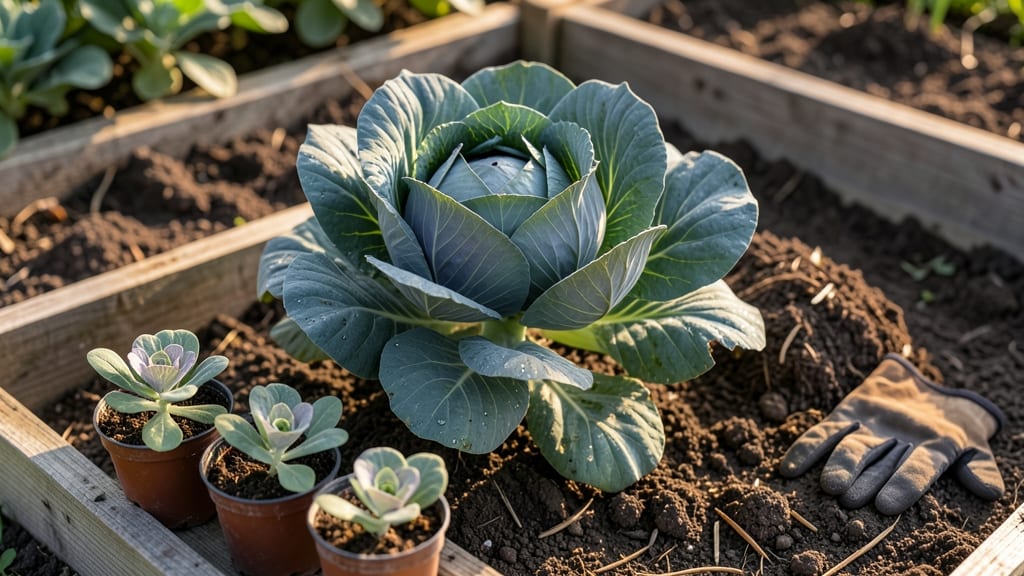
Timing your 🥬 cabbage planting in Utah right can mean the difference between a bumper crop and bolted disappointment—especially when Utah’s 5-7 zones swing from chilly springs to sudden freezes.
Most gardeners miss the sweet spot between March and April for spring plantings, but late-summer starts in July-August can still yield fall harvests if you play your cards right.
The key is working with Utah’s quirks: high-altitude areas like Park City have earlier frost risks than the Salt Lake Valley, while Southern Utah’s desert heat demands faster-maturing varieties.
Whether you’re transplanting seedlings or sowing directly, getting the soil temperature and frost dates aligned is non-negotiable for avoiding bitter, puckered heads.
I’ve tested everything from cold-hardy January King to heat-tolerant Savoy types in Utah’s soil—here’s exactly when to plant each for zero-bolt success, plus how to stretch your season with row covers and succession planting. Let’s cut to the strategies that actually work in your backyard.
You’ll walk away knowing not just when to plant, but how to adjust for Utah’s microclimates, from Wasatch Front windbreaks to high-desert watering hacks. Ready to grow cabbage that’s crisp, sweet, and actually makes it to harvest? Let’s dive in.
Utah’s best planting windows for cabbage: month-by-month breakdown to avoid bolting
Utah’s USDA Zones 5-7 create a tricky balance for growing cabbage—too early, and frost zaps tender seedlings; too late, and bolting turns your heads bitter. The key is planting during Utah’s two optimal windows: early spring and late summer for fall harvests.
Timing depends on your microclimate, whether you’re in the Salt Lake Valley, Wasatch Front, or Southern Utah desert.
For most Utah gardeners, the last average frost date falls around mid-April, but high-elevation areas like Park City can see frost into May. Southern Utah’s St. George zone (Zone 7) has a longer growing season, allowing for extended planting.
Use these month-by-month guidelines to align your cabbage planting with Utah’s 150-day frost-free window.
📅 Spring Planting (Primary Crop): Start seeds indoors 4-6 weeks before last frost (early March) or sow directly in late March to early April once soil reaches 40°F. Transplants should be in the ground by mid-April for a June-July harvest. This window works best for cold-hardy varieties like ‘January King’ or ‘Savoy King’.
🌱 Late Summer/Fall Planting (Secondary Crop): For a fall harvest, sow seeds directly in late July to early August. Choose faster-maturing varieties (60-70 days) like ‘Red Express’ to finish before first frost in mid-October. This method is riskier in northern Utah but works well in Southern Utah’s warmer microclimates.
❄️ Winter Planting (High-Risk, Rewarding): In Zone 6-7 areas (e.g., St. George), you can sow cold-hardy varieties like ‘January King’ in late September for a winter harvest. Use row covers to protect from 20°F nights. This method extends your growing season but requires vigilance against cabbage moths.
Utah Cabbage Planting Timeline
| Stage | Action | Utah Regions | Notes |
|---|---|---|---|
| Early March | Start seeds indoors | All regions | Use grow lights; 6-8 weeks before transplant |
| Late March | Direct sow outdoors | Southern Utah (Zone 7) | Soil must be 40°F+; use row covers |
| Mid-April | Transplant seedlings | Salt Lake/Wasatch | Hardy to 25°F; space 18" apart |
| Late July | Direct sow for fall crop | All regions | Choose fast varieties; harvest by Oct 15 |
| Late Sept | Winter sow (Zone 7 only) | Southern Utah | Use ‘January King’; protect with mulch |
Utah’s microclimates demand flexibility. In high-altitude areas like Ogden or Park City, delay planting until after May 1st to avoid late frosts. Meanwhile, St. George gardeners can plant year-round with proper protection, though summer heat (above 90°F) stresses cabbage.
Always check your local frost dates—Utah’s 150-day window is a guideline, not a rule.
For direct sowing, wait until soil temperatures hit 40°F (use a soil thermometer to confirm). In containers, plant 2-3 weeks earlier since pots warm faster. If you’re unsure about timing, transplanting is safer—just harden off seedlings for 7-10 days before moving them outdoors.
Bolting is your biggest enemy in Utah’s unpredictable springs. To prevent it, avoid planting when days exceed 14 hours of light (typically late May onward).
If your cabbage starts sending up flower stalks, harvest the outer leaves immediately—they’re still edible, and the plant may recover for a smaller head.
Pro tip: Use shade cloth (30-50%) during Utah’s scorching July-August to protect seedlings from heat stress. Pair this with daily watering (1-2 inches per week) to keep soil consistently moist. Mulch with straw to retain moisture and regulate soil temperature.
Remember, Utah’s short growing
Cold-hardy cabbage varieties that thrive in Utah’s short growing season
Utah’s USDA Zones 5-7 and short growing season demand cabbage varieties that tolerate cool temperatures and early frosts. The wrong choice can lead to bolting or stunted growth, so selecting the right cold-hardy types is key to success.
I’ve grown January King, Red Express, and Savoy King in my own garden, and they’ve consistently delivered crisp, flavorful heads even in mountain microclimates.
For high-altitude areas like Park City or Logan, opt for varieties with 60-70 days to maturity to avoid summer heat stress. In Southern Utah’s desert regions, heat-tolerant types like Golden Acre can extend your harvest window.
The right variety depends on your elevation, last frost date, and whether you’re aiming for spring or fall crops.
| Variety | Days to Maturity | Frost Tolerance | Best For | Head Size |
|---|---|---|---|---|
| January King | 60-70 | -15°F | Spring/fall, high elevation | Medium (10-12 in) |
| Red Express | 55-65 | -10°F | Early spring, desert areas | Small (8-10 in) |
| Savoy King | 70-80 | -12°F | Fall crops, mountain regions | Large (12-14 in) |
| Golden Acre | 55-60 | -8°F | Heat-tolerant, summer planting | Medium (10-12 in) |
| Early Jersey Wakefield | 60-70 | -10°F | Succession planting, short seasons | Small (8-10 in) |
When selecting seeds, check the days-to-maturity label to ensure your variety aligns with Utah’s 150-day frost-free window. For example, January King matures in 60-70 days, making it ideal for late-March planting and a June harvest before summer heat sets in.
Meanwhile, Savoy King, with its 70-80 days to maturity, is better suited for July sowing and a fall harvest.
Pro tip: If you’re gardening in USDA Zone 6 or higher, like in Salt Lake City or Provo, prioritize varieties with cold resistance and bolt tolerance.
I’ve found that Red Express handles Utah’s unpredictable spring temperatures better than standard green cabbage, thanks to its earlier maturity and disease resistance. Always buy seeds labeled for your specific elevation range—this ensures your plants won’t struggle with heat stress or poor head formation.
For high-altitude gardens above 7,000 feet, like those in Ogden or Heber Valley, focus on compact varieties that won’t flop under strong winds. Early Jersey Wakefield is a top pick because its smaller size and quick growth make it perfect for short-season gardens.
Pair it with row covers in early spring to shield young plants from late frosts.
Finally, always rotate your cabbage varieties each season to prevent soil-borne diseases like clubroot. I’ve seen gardens in St. George suffer from fungal issues when the same variety is planted year after year.
Mixing cold-hardy types with heat-tolerant ones also extends your harvest window—plant January King in spring and Golden Acre in late summer for a double crop.