
Plants
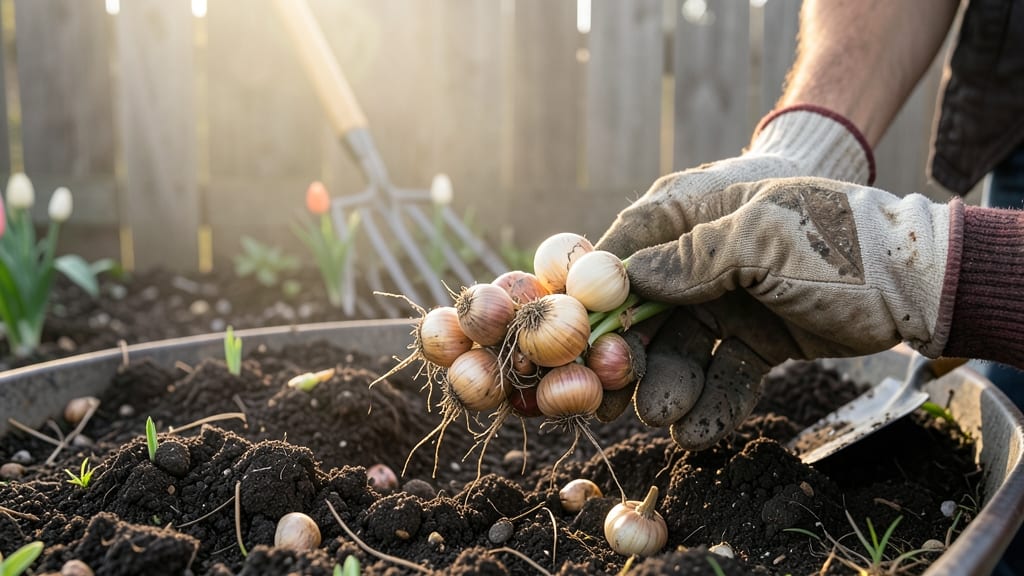
When do you plant bulbs in Colorado? Timing your spring-blooming bulbs in Colorado isn’t just about the calendar—it’s about understanding your local chill hours and frost dates to guarantee those vibrant 🌷 displays next spring. Plant too early, and your bulbs might rot; too late, and they won’t establish roots before winter sets in.
With Colorado’s diverse USDA zones 5-7 and unpredictable weather, knowing when to plant—typically between September and November—can make the difference between a garden full of blooms and one that disappoints.
Whether you’re growing cold-hardy tulips or native Calochortus, the key is aligning your planting with the 6-8 weeks before first frost rule.
But here’s the thing: not all bulbs thrive on the same schedule. Some varieties, like daffodils, can handle cooler soils, while others, like dahlias, need warmer conditions.
I’ll break down the exact planting windows for Colorado’s most popular bulbs, so you can avoid common mistakes and set your garden up for success.
Ready to transform your yard into a springtime spectacle? Let’s dive into the science—and simple steps—to plant your bulbs at the perfect time, no matter where you are in the state.
Colorado bulb planting calendar: exact months by chill-hour requirements
Colorado’s USDA zones 5-7 create a unique challenge for bulb planting—too early, and bulbs may sprout before winter; too late, and they won’t establish roots before frost. The key? Chill-hours, which measure the cold exposure bulbs need to bloom reliably.
Most Colorado varieties require 1,000-1,500 chill-hours, but timing varies by elevation and microclimate.
For spring-blooming bulbs like tulips and daffodils, aim to plant 6-8 weeks before your first frost. In most of Colorado, this means mid-September to early November. High-elevation areas (like Denver or Boulder) may need to plant earlier, while lower elevations (like Pueblo) can wait until late October.
Always check your local first frost date—Colorado’s ranges from mid-October in the mountains to early November in the plains.
Here’s how to calculate your chill-hour window: Use a local weather station or online tools like the National Weather Service to track cumulative hours below 45°F (7°C). Most Colorado bulbs need 1,000+ chill-hours, so plant when your area has 200-300 hours left before winter sets in.
If you miss the fall window, don’t despair—spring planting is possible for some varieties! Plant tulips and hyacinths in early spring (March-April), but expect smaller blooms the first year. Daffodils and alliums are more forgiving and can handle spring planting with minimal fuss.
Pro tip: Use local nurseries’ expertise—Colorado’s native bulbs, like Calochortus (mariposa lily), thrive with fewer chill-hours than traditional tulips. Ask for region-specific varieties to maximize success.
🌱
| Bulb Type | Chill-Hour Needs | Ideal Planting Window | Notes for Colorado |
|---|---|---|---|
| Tulips | 1,200-1,500 hrs | Mid-Sept to early Nov | Plant deep (6-8") for mountain areas |
| Daffodils | 800-1,200 hrs | Late Sept to mid-Nov | Tolerates spring planting; deer-resistant |
| Hyacinths | 1,000-1,300 hrs | Early Sept to late Oct | Needs well-draining soil; avoid wet springs |
| Alliums | 600-1,000 hrs | Late Sept to Nov | Drought-tolerant; great for high plains |
| Crocuses | 400-800 hrs | Oct to early Dec | Early bloomers; naturalize easily |
Colorado’s microclimates can shift planting windows dramatically. For example, Denver’s urban heat islands may allow planting 2 weeks later than rural areas, while high-altitude gardens (above 7,000 ft) should plant 4-6 weeks earlier to avoid early frosts.
Use a soil thermometer to confirm when soil temps drop below 60°F (15°C)—this is your cue to stop planting.
For summer-blooming bulbs like dahlias or gladiolas, plant after your last frost date (mid-April in most areas). These bulbs thrive with warmer soil and don’t need chill-hours. In Colorado’s short growing season, opt for early-maturing varieties to ensure blooms before fall frosts.
🌿
Don’t let Colorado’s unpredictable weather fool you—with the right timing, you can enjoy reliable blooms year after year. Start by checking your local chill-hours, then adjust for your specific elevation and soil type. And remember: native Colorado bulbs often require less fuss than imported varieties.
🪴
Best fall planting tips for Colorado gardens: soil, depth, and variety-specific care
Colorado’s fall planting window is short but critical—aim to plant bulbs 6-8 weeks before the first frost, typically between mid-September and early November. This timing ensures bulbs establish roots before winter dormancy.
In USDA Zones 5-7, your exact dates may shift slightly based on elevation, but this general rule applies statewide.
Before planting, amend your soil with organic matter like compost or well-rotted manure. Colorado’s clay-heavy soils (common in the eastern plains) benefit from sand or perlite to improve drainage, while sandy soils (like those in the Front Range) may need extra organic material to retain moisture.
A pH test is worth the effort—most bulbs thrive in neutral to slightly acidic soil (6.0-7.0).
Planting depth is another game-changer. As a rule, dig holes 3 times deeper than the bulb’s height. For example, a 2-inch-tall tulip bulb should go 6 inches deep. This depth protects bulbs from freeze-thaw cycles and rodent damage. Space larger bulbs (like dahlias) 12-18 inches apart, while smaller ones (like crocuses) can huddle 3-4 inches apart.
⚠️ Critical Warning: Don’t Plant Too Early!
Planting bulbs before late summer can trigger premature growth, leaving them vulnerable to early frosts or drought stress. Wait until soil temperatures drop below 60°F (15°C)—a simple thermometer check at 6-inch depth confirms readiness.
In high-elevation areas (Zone 6+), aim for late September planting to avoid October’s unpredictable freezes.
Choose cold-hardy varieties like daffodils or alliums for Colorado’s harsh winters. These bulbs multiply reliably and often return year after year with minimal care.
For tulips, opt for Darwin Hybrid or Fosteriana types—they handle our winter chill hours (300-1,500) better than fancy hybrids. Spring-blooming bulbs (like hyacinths) need well-draining soil to prevent rot during thaw cycles.
After planting, mulch heavily with 4-6 inches of straw or leaves to insulate bulbs from temperature swings. Remove mulch in early spring once shoots appear to prevent rot from excess moisture.
Water deeply once after planting to encourage root growth, then skip watering until spring—unless we experience a drought-like winter. Let nature handle the rest!
For container gardening, use fast-draining mixes with perlite or vermiculite. Plant bulbs close together (since pots have limited space) and overwinter containers in a protected spot, like a garage or against a south-facing wall.
This mimics Colorado’s microclimates and boosts survival rates. With these tips, your bulbs will burst through snow come spring, proving that patience (and proper timing!) pays off.