
Plants
Mastering when to plant bulbs in Zone 7b can mean the difference between a garden bursting with color and a season of disappointment.
The key lies in understanding your local frost dates and the unique needs of each bulb type—because planting too early or too late can leave you with wilted dreams instead of vibrant blooms.
In Zone 7b, where the first frost typically arrives around November 15 and the last frost lingers until March 15, timing is everything. Most gardeners focus on fall planting, but spring bulbs also have their place.
The secret? Planting 6-8 weeks before the ground freezes gives roots time to establish before winter’s chill sets in.
Whether you’re dreaming of tulips in spring or late-season alliums, this guide will walk you through the exact months to plant, how to prep your soil, and what bulbs thrive best in your climate. No more guessing—just zero-fail blooms year after year.
Let’s break down the science so you can confidently plant your 🌱 bulbs and enjoy a garden that wows. Ready to get started?
Zone 7B bulb planting timeline: frost dates and ideal months
In Zone 7B, where the average first frost hits around November 15 and the last frost typically occurs by March 15, timing your bulb planting is all about the 6-week rule. This means bulbs need 6-8 weeks to establish roots before winter sets in.
Plant too early, and frost may damage tender roots; too late, and they won’t have time to grow before dormancy. Let’s break down the perfect planting windows for both fall and spring varieties.
The ideal months for planting bulbs in Zone 7B are October and November for fall varieties and February and March for spring planting. However, soil temperature is just as critical as calendar dates.
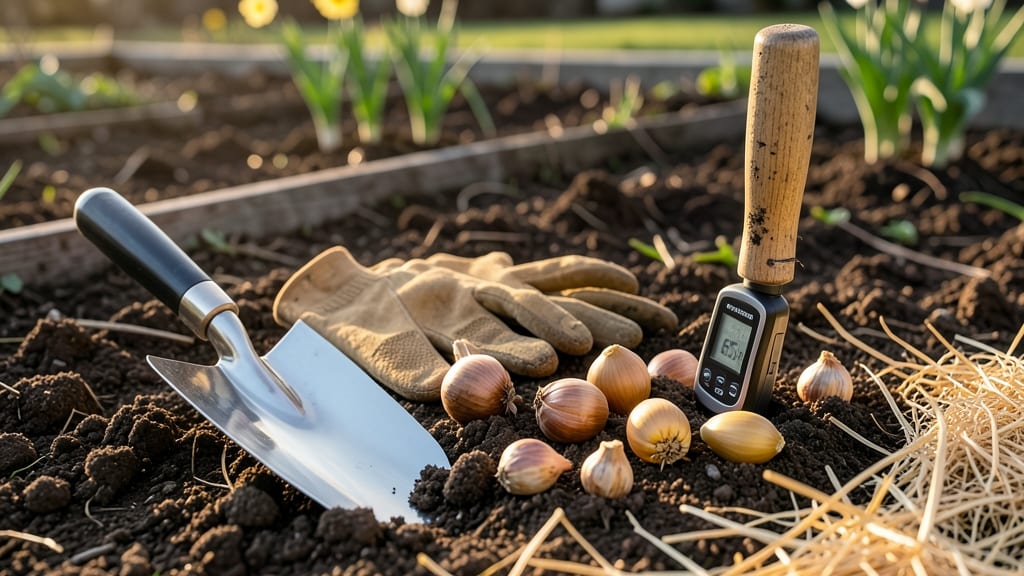
Bulbs should go into cooler soil (below 60°F) to trigger root growth without sprouting too soon. Use a soil thermometer to confirm—this small tool can save you from costly mistakes.
| Bulb Type | Planting Window | Soil Temp | Key Notes |
|---|---|---|---|
| Spring-Flowering Bulbs (Tulips, Daffodils, Hyacinths) | October 15–November 15 | 50–60°F | Plant 6–8 weeks before first frost. |
| Fall-Flowering Bulbs (Crocus, Snowdrops, Some Allium) | September 15–October 15 | 60–70°F | Plant early to avoid early sprouting. |
| Spring Planting (Late Varieties) | February 1–March 15 | 40–50°F | Best for tender bulbs (e.g., Dahlias). |
For spring-flowering bulbs like tulips and daffodils, aim to plant between October 15 and November 15. This window ensures bulbs develop roots before the ground freezes but avoids the risk of early sprouting in warm spells.
In Zone 7B, November 15 is your cutoff—after this, the soil cools too much for root growth. Pro tip: If you’re in a microclimate (like a sheltered garden bed), you might push planting to early December, but this is risky.
If you missed the fall window, don’t despair—spring planting is an option for hardier bulbs like daffodils and crocus. Plant these in February or early March as soon as the soil is workable.
However, spring-planted bulbs may not bloom as vigorously as fall-planted ones, so prioritize fall planting for the best results. For tender bulbs like dahlias or gladiolas, spring planting is your only choice in Zone 7B.
One common mistake is relying solely on calendar dates instead of soil conditions. Always check the soil temperature—bulbs need cooler soil (below 60°F) to root without sprouting. Use a soil thermometer or dig a small hole to test moisture and temperature.
If the soil is still warm, wait a few days. Patience here pays off with stronger blooms next year.
Another critical factor is planting depth. Most bulbs should be planted 2–3 times their height deep (e.g., a 2-inch daffodil bulb goes 4–6 inches deep). This depth protects them from frost heave (when freezing and thawing cycles push bulbs up) and provides insulation.
For example, tulip bulbs planted too shallowly may rot over winter, while those planted too deep might struggle to sprout. Use a bulb planter or your finger to mark the correct depth.
Don’t forget to amend the soil before planting. Zone 7B’s clay-heavy soils often need organic matter like compost or aged manure to improve drainage. Poor drainage is a leading cause of bulb rot, especially in wet winters.
Mix in 1–2 inches of compost or use a well-draining bulb mix if your soil is dense. After planting, apply a 2-inch layer of mulch (straw or shredded leaves) to insulate bulbs and retain moisture.
Finally, label your bulbs if you’re testing new varieties. Without labels, you might forget which bulbs you planted where, leading to confusion next spring. Use biodegradable plant markers or a simple garden twine tied to a stake.
This small step saves time and frustration when it’s time to admire your spring blooms.
With these timing tips and soil prep steps, your Zone 7B bulbs will thrive year after year. The key is planting early enough for root growth but not so early that frost catches them off guard. Happy planting—your future garden will thank you! 🌱
Zone 7B bulb planting timeline: frost dates and ideal months
Understanding Zone 7B frost dates is the secret to planting bulbs at the perfect time. In this zone, the average last frost date is around March 15, while the first frost typically arrives by November 15.
This 6-week window before winter sets in is critical for bulbs to establish roots before the ground freezes.
Most gardeners in Zone 7B focus on fall planting for spring-blooming bulbs like tulips and daffodils. Planting in October or early November gives bulbs enough time to root before the soil freezes. For summer-flowering bulbs like dahlias, wait until late spring after the last frost.
| Bulb Type | Planting Window | Key Notes |
|---|---|---|
| Spring-Blooming (Tulips, Daffodils) | October - Early November | Plant 6-8 weeks before frost |
| Summer-Blooming (Dahlias, Gladiolus) | February - March (after last frost) | Soil must be workable |
| Fall-Blooming (Crocus, Fall Daffodils) | Late August - September | Plant early for fall color |
| Winter-Blooming (Snowdrops, Winter Aconite) | September - October | Cold-hardy varieties thrive |
For Zone 7B gardeners, soil temperature is just as important as frost dates. Aim for 60°F soil when planting in fall—this ensures roots grow before winter sets in.
Use a soil thermometer to check if you're unsure. If your soil stays warm late into fall, plant bulbs slightly later to avoid rot from excess moisture.
Don’t overlook microclimates in your garden. Areas near south-facing walls or paved surfaces may warm up faster, allowing you to plant bulbs a week or two later. Conversely, shady or low-lying spots freeze earlier, so plant bulbs sooner in those areas to compensate.
Once you’ve planted, mark your bulb locations with stakes or a garden map. This helps track which varieties you’ve planted and ensures you don’t disturb them while they’re establishing roots. In Zone 7B, bulbs like tulips and daffodils need 6-8 weeks of root growth before winter, so timing is everything.
Pro tip: If you miss the fall window, early spring planting (February-March) works for many bulbs, but expect slightly later blooms. Just ensure the soil is workable and frost-free. With the right timing, your Zone 7B garden will burst with color year after year! 🌷