
Trees
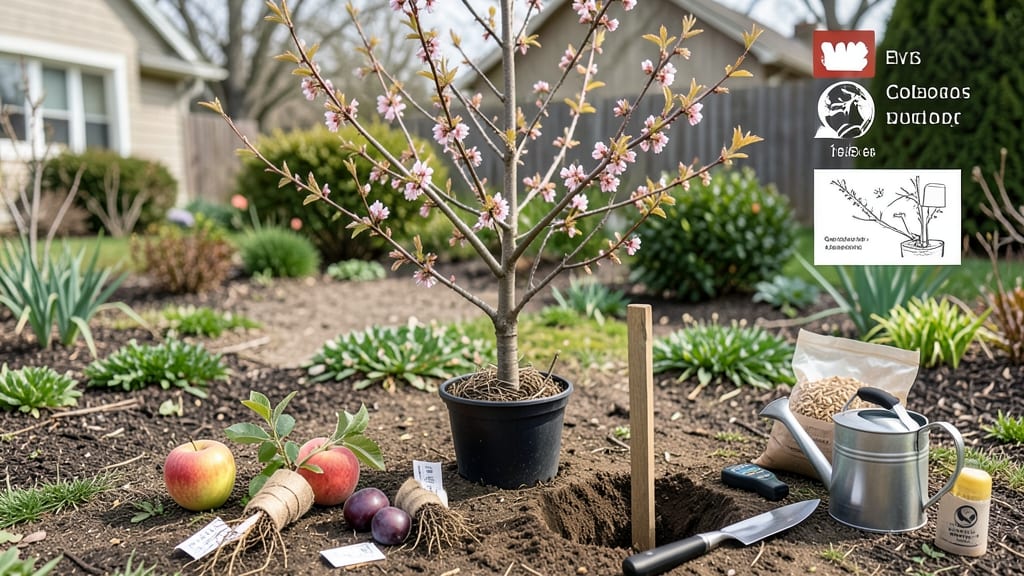
Timing is everything when it comes to planting fruit trees in Colorado—get it wrong, and you risk stunted growth or even losing your young saplings to frost. The 🍎 dream of homegrown apples, peaches, or cherries hinges on understanding your USDA zone (4-7) and Colorado’s unpredictable spring weather.
Most gardeners assume early spring is the only option, but fall planting actually gives roots time to establish before winter’s chill. I’ll break down the best months for your specific fruit tree varieties—whether you’re in the Front Range or Western Slope—and how to match chill-hours for reliable blooms.
You’ll discover why bare-root trees thrive in March-April while container-grown varieties do better in September-October. Plus, I’ll share pro tips to protect your investment from late frosts, alkaline soils, and Colorado’s dry winds.
Ready to turn your backyard into a fruit orchard? Let’s dive into the exact planting windows, soil prep secrets, and care routines that’ll set your trees up for years of bountiful harvests—no guesswork required.
Colorado fruit tree planting timeline by chill-hours and hardiness zones
Colorado’s diverse climate—from the high-altitude Front Range to the drier Western Slope—means no single planting window works for every fruit tree. The key to success lies in matching your chill-hour requirements with Colorado’s USDA hardiness zones 4-8.
Most Colorado fruit trees need 300-1,000 chill hours (below 45°F) to bloom reliably, but varieties like apples and cherries thrive in zones 5-7, while peaches and plums prefer zones 6-8.
For Front Range gardeners (e.g., Denver, Boulder), aim for early spring planting (March-April) when soil temperatures reach 40°F. In Western Colorado (e.g., Grand Junction), fall planting (late September-October) works better to avoid late spring frosts.
Always check your local last frost date—typically April 15-May 15 in lower elevations, but June 1 at higher altitudes.
Chill hours determine which fruit trees will thrive in your area. For example, Honeycrisp apples (500-800 chill hours) are perfect for zone 5-7, while Elberta peaches (300-500 chill hours) suit zone 6-8. Planting outside these ranges risks poor blooming or no fruit production.
Bare-root trees should be planted in early spring (as soon as soil is workable), while container-grown trees can go in fall or early spring. Avoid planting when soil is frozen or waterlogged, as roots struggle to establish. In high-altitude areas (7,000+ ft), wait until after May 1 to reduce frost damage risks.
🌱 Colorado Fruit Tree Planting Timeline by Chill-Hours & Zone
| Planting Window | Chill-Hour Range | Best Fruit Trees | USDA Zones | Colorado Regions |
|---|---|---|---|---|
| Early Spring (March-April) | 500-1,000 hrs | Apples, Cherries, Pears | 5-7 | Front Range, Foothills |
| Fall (September-October) | 300-600 hrs | Peaches, Plums, Apricots | 6-8 | Western Slope, Pikes Peak |
| Late Spring (May-June) | 200-400 hrs | Fig, Pomegranate, Kiwi | 7-8 | Southwest Colorado |
⚠️ Pro Tip: Adjust planting dates 1-2 weeks later for high-elevation areas (7,000+ ft).
Colorado’s microclimates play a huge role in success. A south-facing slope warms up faster in spring, allowing earlier planting, while valleys hold cold air longer, delaying the season.
If you’re in a frost-prone area, choose late-blooming varieties like Granny Smith apples or Stanley plums, which tolerate late spring frosts better than early bloomers.
For container-grown trees, fall planting (late September) gives roots time to establish before winter. Water deeply after planting and mulch heavily (4-6 inches) to protect roots from freeze-thaw cycles. In dry climates, drip irrigation is a game-changer—it delivers water directly to roots and reduces evaporation.
Always test your soil’s pH (6.0-7.0 ideal) and amend with compost or sulfur if needed. Colorado’s alkaline soils can lock out nutrients like iron and zinc, so a soil test is worth the investment.
Planting in well-draining soil prevents root rot, especially in clay-heavy areas like the San Luis Valley.
After planting, prune lightly to remove damaged branches and encourage a strong structure. Apply a 2-inch layer of mulch (straw or wood chips) to retain moisture and regulate soil temperature. In windy areas (common in the Western Slope), stake young trees to prevent root damage.
Monitor your tree’s progress! If leaves yellow or wilt in summer, it may need more water or fertilizer. In zone 4 areas (e.g., Steamboat Springs), protect young trees with burlap wraps during winter to shield against desiccating winds.
🌿 With the right timing and care, your Colorado fruit tree will reward you with years of bountiful harvests—just don’t rush the process!
Best fruit trees for Colorado’s short growing season (ranked by reliability)
Colorado’s short growing season and variable frost dates demand fruit trees that thrive in USDA zones 4–7 while matching the state’s chill-hour requirements. I’ve narrowed down the top 10 varieties that consistently deliver—from crisp apples to juicy peaches—based on regional success stories and chill-hour compatibility.
Peaches and nectarines top the list for Front Range gardeners (zones 5–6), while tart cherries and apples dominate in higher-elevation areas (zones 4–5). Late-blooming varieties like ‘Honeycrisp’ apples or ‘Redhaven’ peaches minimize frost damage risks, making them ideal for Colorado’s unpredictable springs.
🌱 Pro Tip: Always verify a tree’s chill-hour range (e.g., 400–800 hours) against your local average—most Colorado regions fall between 500–1,000 chill hours.
For Western Slope growers (zones 6–7), plums and figs shine with lower chill-hour needs (300–500 hours), while Front Range orchards benefit from dwarf varieties like ‘Gala’ apples or ‘Elberta’ peaches, which mature faster and require less space.
🌿 Key Insight: Pair early-blooming trees (e.g., ‘Montmorency’ cherries) with late-bloomers (e.g., ‘Fuji’ apples) to stagger harvests and reduce frost-related losses. Always plant pollinizer varieties if your chosen tree isn’t self-fruitful!
Need a foolproof pick? ‘Honeycrisp’ apples and ‘Redfre’ plums consistently rank highest among Colorado gardeners for sweetness, cold hardiness, and disease resistance. Just remember: soil pH matters—amend alkaline Colorado soils with sulfur or peat moss for optimal nutrient uptake.