
Plants
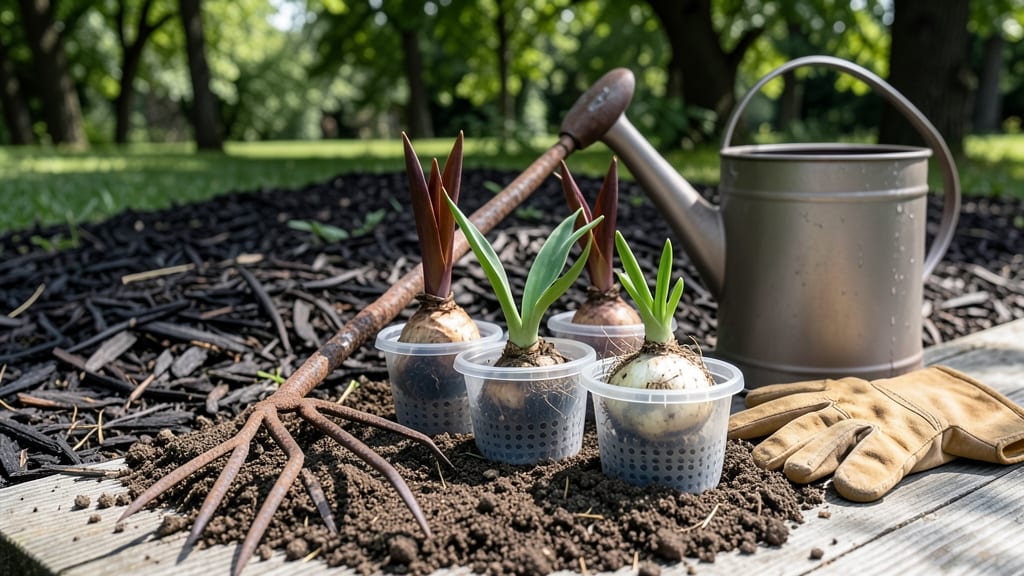
Timing when you can plant potted tulips in the ground is crucial for vibrant spring blooms—get it wrong, and you risk rot or missed opportunities. Planting too early can leave bulbs vulnerable to cold soil, while waiting too long may leave you scrambling before frost.
The key lies in understanding your climate zone and preparing the ground just right.
For most gardeners in Zone 6a and similar regions, the ideal window falls between September and November—about 4-6 weeks before the first hard frost. This gives roots time to establish before winter, setting the stage for stunning flowers next spring.
But what if you missed that window or live in a warmer zone?
I’ll walk you through the exact months for your region, how to check soil readiness, and even what to do if you’re planting in spring. No more guesswork—just a clear, step-by-step guide to get your tulips thriving.
Whether you’re a first-time gardener or a seasoned pro, these tips will help you avoid common pitfalls like late frosts or soggy soil. Let’s get those bulbs in the ground at the perfect moment for a showstopping display.
Best months to plant potted tulips by USDA climate zone (with exact dates)
Planting potted tulips at the right time ensures vibrant blooms next spring. The ideal window depends on your USDA climate zone and local frost dates. Most gardeners aim to plant 4-6 weeks before the first hard frost in fall or after the last frost in spring.
Let’s break it down by zone to avoid common mistakes like rot from early planting or missed blooms from late planting.
Fall planting is preferred because tulip bulbs need cold stratification to bloom well. However, if you live in warmer zones (8-10), spring planting may work better. Below, I’ve mapped out the exact months and soil temperature thresholds for each zone, so you can plant with confidence.
🌷
For example, if you’re in Zone 6a (like much of the Midwest), aim to plant your potted tulips between October 1 and November 1. The soil should be cool but workable, ideally between 55-65°F.
In Zone 9 (southern California), you can plant as late as December, but spring planting in February often works better due to milder winters.
If you’re unsure about your last frost date, check the USDA Plant Hardiness Zone Map or use a local gardening app. Planting too early in warm soil can cause the bulbs to sprout prematurely and then die in a frost.
Conversely, planting too late may result in weak roots that can’t support next year’s blooms.
Pro tip: Harden off your potted tulips for 7-10 days before transplanting if they’ve been indoors. Gradually expose them to outdoor temperatures and sunlight to reduce shock. This is especially important if you’ve been growing them in a sunny window or under grow lights.
🌱
After planting, mulch heavily with 2-3 inches of straw or leaves to insulate the bulbs from temperature swings and prevent heaving during freeze-thaw cycles. This is critical for zones with harsh winters (Zones 3-5). In warmer zones (8-10), mulch can help keep the soil consistently cool during the day.
One common mistake is assuming all tulips thrive in the same conditions. Darwin Hybrid tulips, for example, need full sun and well-draining soil, while fosteriana tulips tolerate partial shade. Always check your specific variety’s care requirements before planting.
For gardeners in Zone 10 or coastal areas, where winters are mild, spring planting is often the only option. In these cases, plant in January or February and use cool-season fertilizers to encourage root growth before the heat sets
How to tell when soil conditions are perfect for transplanting (signs + fixes)
Before you dig, check these three critical soil conditions to ensure your potted tulips thrive after transplanting. Cold, soggy, or unprepared soil can stunt growth or even kill your bulbs before they bloom.
I’ll walk you through how to test each condition and what to do if they’re not quite right.
First, test the soil temperature. Tulip roots need soil that’s at least 50°F (10°C)—warmer than that, and they’ll establish roots quickly; colder, and they’ll sit dormant or rot. Use a soil thermometer to check 6 inches deep, where the roots will grow.
If it’s too cold, wait a few days or use a mulch blanket to warm the soil faster.
Next, assess moisture levels. The ground should be moist but not waterlogged—like a wrung-out sponge. Stick your finger in the soil; if it feels damp but not soggy, you’re good to go.
If it’s bone-dry, water the area 24 hours before planting to give the roots a head start. Overly wet soil can suffocate bulbs, so avoid planting after heavy rains unless the ground drains quickly.
| Soil Condition | Ideal Range | Fix If Not Ideal |
|---|---|---|
| Temperature | 50°F–65°F (10°C–18°C) | Wait 3–5 days or mulch |
| Moisture | Damp but drains well | Water 24 hours before planting |
| Drainage | No standing water after 6 hours | Amend with compost or sand |
Don’t overlook drainage, which is just as critical. After watering the area, check if water pools or drains within 6 hours. If puddles linger, amend the soil with compost or coarse sand to improve aeration.
A simple test: Dig a 6-inch hole, fill it with water, and time how long it takes to drain. If it’s slower than expected, mix in organic matter before planting.
Finally, prepare the planting site by loosening the soil to a depth of 12 inches with a garden fork. This breaks up compacted layers and encourages root growth. If your soil is heavy clay or sandy, mix in 2–3 inches of compost to improve fertility and moisture retention.
Avoid fresh manure, which can burn delicate tulip roots.
Once you’ve confirmed all three conditions—temperature, moisture, and drainage—your potted tulips are ready for their new home. Plant them 6–8 inches deep (deeper in sandy soil, shallower in clay) with the bulb’s base 2 inches below soil level. Water thoroughly after planting to settle the soil around the roots.
Pro tip: If you’re transplanting in late fall and frost is forecasted within a week, cover the area with straw mulch (4–6 inches thick) to insulate the bulbs. This extra layer can make the difference between a thriving spring display and bulbs that fail to bloom.