
Plants
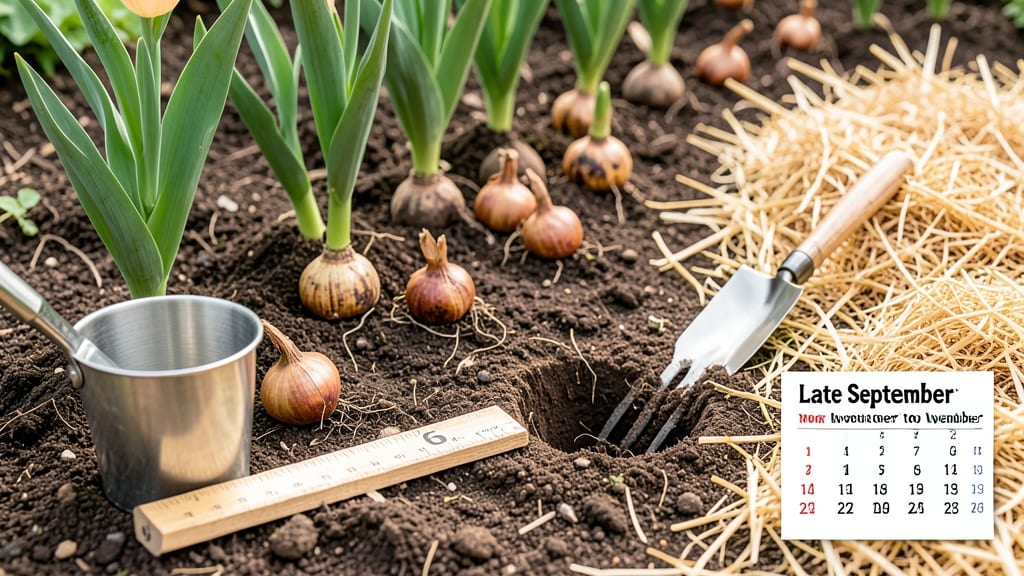
If you’ve ever wondered when to plant tulip bulbs in North Carolina, timing is everything—and getting it wrong could mean no spring blooms for you. Unlike cooler climates, NC’s mild winters and varied zones (6b-8a) demand precision.
Plant too early, and bulbs rot; too late, and frost zaps them before they root. The 6-week window between October and November is your golden opportunity, but local microclimates twist the rules.
Let’s cut through the guesswork. Whether you’re in Raleigh’s Zone 7a or Asheville’s cooler 6b, I’ll show you exactly when to dig—down to county-specific deadlines. You’ll learn how soil temps (below 60°F) signal readiness, why mulch matters, and how elevation shifts your timeline.
No more second-guessing: just a foolproof plan for 🌷 tulips that burst into color next April.
Here’s the kicker: North Carolina’s frost dates vary wildly—mid-November in Raleigh vs. early November in Boone. That means your neighbor’s schedule might not work for you.
I’ll walk you through adjusting for your exact location, so you’re planting at the perfect moment: 6-8 weeks before frost, when bulbs can root but won’t wake up too soon. Skip this step, and you’ll end up with sad, stunted flowers—or worse, no blooms at all.
Ready to transform your garden? By the end, you’ll know not just when to plant, but how to prep soil, protect bulbs from NC’s unpredictable frosts, and even troubleshoot common mistakes.
Let’s get those tulip bulbs in the ground the right way—so you can enjoy a spring showstopper without the stress.
North Carolina tulip planting deadlines by USDA hardiness zones (6b-8a)
Planting tulip bulbs in North Carolina requires precision—miss the window, and you risk rotting bulbs or skipped blooms. The state spans USDA Zones 6b through 8a, creating a 6-week difference in ideal planting dates across regions.
For example, gardeners in Zone 6b (Boone, Asheville) should plant by November 15, while those in Zone 8a (Wilmington, Fayetteville) can wait until mid-December. The key? Plant when soil temps drop below 60°F and 6-8 weeks before the first hard frost.
North Carolina’s diverse microclimates mean frost dates vary wildly. In mountain regions (Zone 6b), frost arrives as early as October 30, while coastal areas (Zone 8a) may not see frost until January 15.
Use your local last frost date as your deadline—plant too late, and bulbs won’t root before winter dormancy. For instance, Raleigh (Zone 7b) typically plants between November 1-15, while Charlotte (Zone 7a) extends the window to November 15-December 1.
Soil temperature is your most critical factor. Tulip bulbs need cool soil (below 60°F) to trigger root growth. In Asheville (Zone 6b), soil may hit this threshold by mid-October, but in Greenville (Zone 8a), it might not cool until late November.
Use a soil thermometer to confirm—planting in warm soil causes bulbs to sprout prematurely and rot. Aim for 50-55°F soil temps for optimal root establishment.
Here’s your zone-by-zone planting timeline, including soil prep tips and county examples:
| USDA Zone | Planting Window | Soil Temp Requirement | Example Counties | Soil Prep Tip |
|---|---|---|---|---|
| 6b (Mountains) | Nov 1–15 | Below 60°F | Boone, Asheville, Banner Elk | Amend clay soil with compost to improve drainage. |
| 7a (Piedmont) | Nov 15–Dec 1 | Below 55°F | Raleigh, Durham, Greensboro | Test soil pH (aim for 6.0–7.0); add lime if needed. |
| 7b (Coastal Piedmont) | Dec 1–15 | Below 50°F | Charlotte, Winston-Salem, Fayetteville | Mulch with 3 inches of straw after planting. |
| 8a (Coastal) | Dec 15–Jan 15 | Below 45°F | Wilmington, Jacksonville, Morehead City | Plant in raised beds if soil is sandy or poorly draining. |
For mountain gardeners (Zone 6b), act fast—bulbs should be in the ground by November 15 to avoid frost damage. In Asheville, where nights drop below freezing by October 30, prioritize early planting and use mulch (4–6 inches) to insulate bulbs.
Meanwhile, coastal gardeners (Zone 8a) have flexibility until mid-January, but soil must be cool. In Wilmington, wait until December 15 to plant, as warm coastal soils delay root growth.
Pro tip: Adjust for elevation. A 1,000-foot increase in elevation can shift your frost date by 2–3 weeks. For example, Boone (3,300 ft) freezes earlier than Black Mountain (2,000 ft).
Use the NC State Climate Office’s frost maps to refine your timeline. Also, urban areas like Raleigh may experience heat islands, delaying soil cooling by 1–2 weeks compared to rural zones.
Planting depth matters too. In North Carolina’s clay-heavy soils (common in Piedmont), dig holes 6–8 inches deep—double the bulb’s height. In sandy coastal soils (Zone 8a), reduce depth to 4–6 inches to prevent bulbs from drying out. Always plant with the pointy end up and space
North Carolina tulip planting deadlines by USDA hardiness zones (6b-8a)
North Carolina’s USDA Zones 6b-8a create a tricky balance for tulip lovers. The key? Planting 6-8 weeks before the first hard frost, when soil temps drop below 60°F. In Zone 6b (western mountains like Asheville), that means aiming for November 1-15.
Meanwhile, Zone 8a gardeners in Wilmington have until December 1-15—but don’t wait too long, or your bulbs may not root properly before winter sets in.
Each zone has its own county-specific deadlines based on average frost dates. For example, Boone (Zone 6b) typically sees frost by November 1, while Raleigh (Zone 7a) holds off until November 15.
Missing these windows risks bulbs rotting in warm soil or freezing before they establish roots. The good news? NC’s mild winters give you a slightly longer window than northern states—but precision is still critical.
Here’s the soil temperature rule I swear by: Use a soil thermometer to confirm temps are consistently below 60°F before planting. In most of NC, this happens in late October to early November.
Pro tip: If your soil stays above 60°F past November 15, hold off until temps drop—even if it’s after the “ideal” window.
| Zone | County Examples | Planting Window | Soil Temp Goal | Frost Date |
|---|---|---|---|---|
| 6b | Asheville, Boone, Waynesville | Nov 1-15 | Below 60°F | Nov 1-10 |
| 7a | Raleigh, Charlotte, Greensboro | Nov 15-Dec 1 | Below 60°F | Nov 15-25 |
| 7b | Durham, Fayetteville | Nov 20-Dec 10 | Below 60°F | Dec 1-10 |
| 8a | Wilmington, Jacksonville | Dec 1-15 | Below 60°F | Dec 10-20 |
Don’t let these dates stress you out—NC’s mild winters mean you can often plant 2-3 weeks later than northern gardeners. However, if your area had an early frost (like the 2020 Halloween freeze in the mountains), shift your timeline 2 weeks earlier next year.
Always check your local Almanac frost dates or use a frost calendar app for real-time updates.
One last pro tip: If you’re in a warmer microclimate (like a city heat island), plant on the later end of your zone’s window. Urban areas like Raleigh can stay 5-10°F warmer than rural spots, delaying soil cooling.
Test your soil’s readiness with a thermometer—it’s the only way to avoid guessing.
Now that you’ve got your zone locked in, your next move is soil prep. Loosen the soil to 8-10 inches deep, mix in compost, and avoid fresh manure—it can burn bulbs.
Once planted, mulch heavily (3-4 inches) to protect roots from NC’s unpredictable frosts. Your tulips will thank you with bold blooms next spring!