
Plants
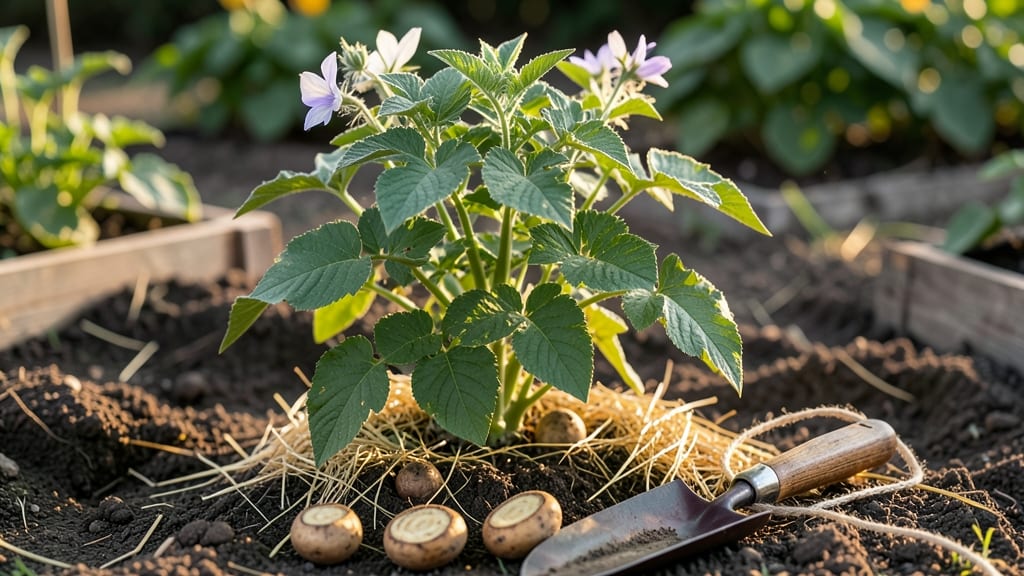
If you're wondering when can you plant potatoes in Texas, the answer depends on your zone—and getting it wrong could mean bolting potatoes or missed harvests.
Texas gardeners know the stakes: plant too early, and your 🥔 spuds bolt into flowers instead of growing tubers; too late, and your crop shrinks before summer heat sets in.
The key is timing it right by zone. North Texas gardeners (7b-8a) should start in late February, while Central Texas (8a-9a) can begin in early March. South Texas growers have a bonus window in fall—October to November—for winter harvests.
Each region’s frost dates and heat tolerance play a role, and I’ll break down exactly how to align your planting with Texas’ unpredictable climate.
You’ll also discover how to prep your soil for Texas conditions, whether you’re planting in raised beds or containers. We’ll cover the best varieties for your zone, watering tricks to beat the heat, and how to spot early signs of bolting before it’s too late.
Ready to grow a bumper crop without the guesswork?
Let’s dive into the exact planting schedule, soil tips, and heat-proofing strategies tailored for Texas gardeners. Your perfect potato harvest starts with the right timing—and I’ve got the zone-specific details to make it happen.
Texas potato planting calendar by hardiness zone (exact months for zero-bolt success)
Texas spans USDA Zones 7b-11, meaning your potato planting window varies dramatically from the Panhandle to South Texas. In North Texas (Zones 7b-8a), you’ll aim for late February to early March to avoid frost damage, while Central Texas (Zones 8a-9a) gardeners can start as early as February.
Meanwhile, South Texas (Zones 9b-11) offers a second chance with fall planting in October-November for winter harvests.
Bolting—when potatoes flower prematurely—is your biggest enemy in Texas. The key is planting when soil temperatures hit 45°F (7°C) but before consistent 80°F (27°C) heat sets in. For spring plantings, time it so tubers mature before summer’s relentless sun triggers flowering.
In fall, you’ll work backward from your first frost date (rare in South Texas) to ensure a harvest before temperatures drop.
Here’s your zone-by-zone planting calendar, including ideal soil temps, frost risks, and variety recommendations to maximize yields:
For North Texas gardeners, focus on early-maturing varieties like 'Yukon Gold' (90 days) to beat the heat. In Central Texas, you’ve got a slightly longer window, so medium-maturing types like 'Kennebec' (110 days) work well.
Meanwhile, South Texas can experiment with fall/winter varieties like 'Sweet Potato' (70 days) to avoid summer bolting entirely.
Pro tip: Use black plastic mulch in North/Central Texas to warm soil faster and extend your planting window by 2–3 weeks. In South Texas, shade cloth (30%) during peak summer can prevent premature bolting if you’re experimenting with off-season plantings.
Soil prep is non-negotiable in Texas. Work in 2–3 inches of compost to improve drainage (critical in clay-heavy soils) and add aged manure for nitrogen. Test your soil’s pH—potatoes thrive in 5.0–6.0. If your soil is alkaline (common in Texas), amend with sulfur or peat moss before planting.
Container growing is a game-changer for urban Texas gardeners. Use 5-gallon buckets or fabric grow bags filled with a mix of potting soil and compost. Plant 2–3 seed potatoes per container and place them in full sun.
Containers dry out faster, so water daily until established, then every 2–3 days in summer.
Remember: Texas heat is your biggest challenge. If you plant too late, your potatoes will bolt before maturing. If you plant too early, frost or stagnant growth will stall them.
Use this calendar as your guide, but monitor soil temps weekly—a soil thermometer is your best friend for zero-bolt success.
Finally, rotate your planting locations yearly to prevent disease buildup. Potatoes are heavy feeders, so avoid planting them where tomatoes, peppers, or other nightshades grew the previous year. With the right timing and care, you’ll enjoy homegrown spuds straight from your Texas soil—no grocery store in sight! 🥔
Texas potato planting calendar by hardiness zone (exact months for zero-bolt success)
Texas spans USDA zones 7b through 11, and each zone demands a different approach to planting potatoes. The biggest challenge? Avoiding bolting—when potatoes flower prematurely and stop producing tubers.
In North Texas (7b-8a), you’ve got a tighter window than South Texas (9b-11), where fall planting extends your harvest into winter.
Your planting schedule hinges on two critical dates: the last frost date and the ideal soil temperature of 45°F (7°C). For most Texas zones, aim to plant 4-6 weeks before your last frost.
In North Texas, that’s late February to early March, while Central Texas gardeners can start in early to mid-March. South Texas growers get a bonus fall window—October to November—for winter harvests.
Here’s your zone-specific planting calendar, including frost risks and ideal soil temps to ensure zero-bolt success:
| Zone | Planting Window | Last Frost Date | Soil Temp for Planting | Harvest Window |
|---|---|---|---|---|
| North Texas (7b-8a) | Late February - Early March | February 15 - March 15 | 45-50°F (7-10°C) | April - June |
| Central Texas (8a-9a) | Early March - Mid-March | March 1 - March 15 | 45-50°F (7-10°C) | April - June |
| South Texas (9b-11) | October - November (fall) OR February (spring) | December 1 - January 15 (fall) / February 15 (spring) | 50-55°F (10-13°C) for fall | December - February (fall) OR April - June (spring) |
For North Texas gardeners, early varieties like 'Red Norland' or 'Yukon Gold' thrive when planted in late February. These varieties mature in 90-100 days, giving you a harvest before summer heat peaks.
In Central Texas, mid-season varieties like 'Kennebec' or 'Russet' work well, planted in early March for a June harvest.
South Texas growers have the luxury of two planting cycles. Fall planting in October-November yields potatoes by December-February, while spring planting in February mirrors North Texas timing. Choose heat-tolerant varieties like 'Sweet Potato' (yes, they’re different!) or 'Red LaSoda' for South Texas’ longer growing season and higher summer temps.
Pro tip: Use a soil thermometer to confirm your soil is at least 45°F (7°C) before planting. Cold soil delays germination, and rushed sprouts are more prone to bolting. If your soil is too cold, wait—your potatoes will thank you with a bumper crop instead of bitter disappointment.