
Plants
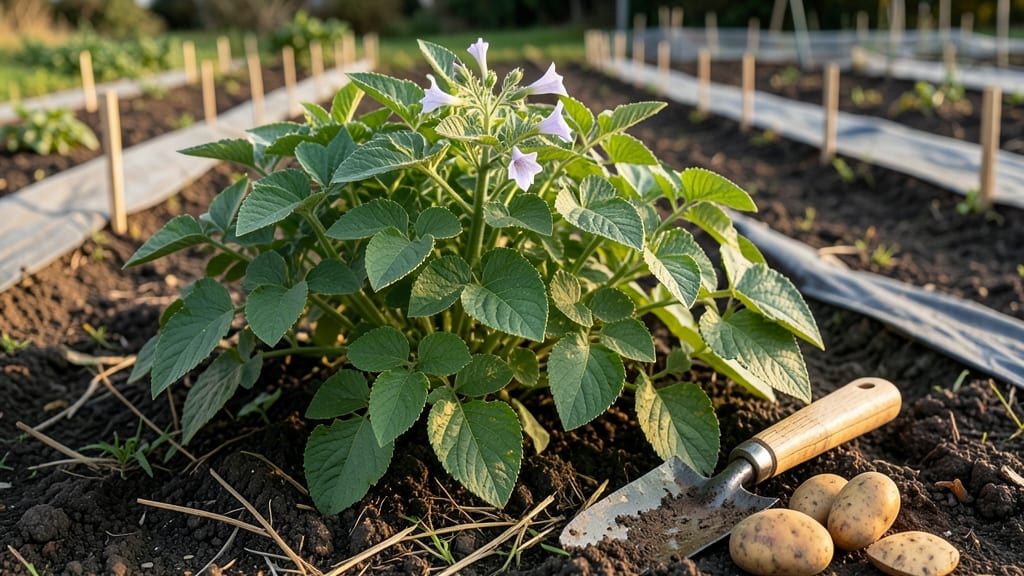
Knowing when to plant fall potatoes in Texas can make or break your harvest—get it wrong, and you’ll either deal with early bolting or frost-damaged tubers.
Texas gardeners face a tricky balance: plant too soon in zones 7b–11, and your 🥔 spuds might flower before winter; too late, and frost steals your crop before maturity.
But here’s the good news: with the right timing, you can grow high-quality potatoes from September through January, even in Texas’ varied microclimates. The key? Understanding your zone’s frost dates and soil temperature thresholds—because a 50–60°F soil triggers tuber formation, not just planting.
In this guide, I’ll break down the exact planting windows for Texas’ zones, from central Texas’ cooler 7b–9a to west Texas’ warmer 8a–10a. You’ll learn how to prep your soil, choose the right varieties, and avoid common mistakes that waste seeds and effort.
Ready to grow a bumper crop? Let’s dive into the zone-specific deadlines and tricks that’ll keep your potatoes thriving—no matter where you garden in the Lone Star State.
Texas Zone-by-Zone fall potato planting deadlines (avoid bolting & frost)
Texas’ diverse climate—from Zone 7’s chilly north to Zone 11’s balmy south—means your fall potato planting window isn’t one-size-fits-all.
In Zone 7, you’ve got just 6 weeks between first frost and soil warming for ideal sprouting, while Zone 10 gardeners enjoy a 3-month window to plant and harvest before winter.
Get the timing wrong, and you’ll either watch your potatoes bolt prematurely (flowering = bitter tubers) or lose them to early frost.
To nail your fall potato schedule, focus on two critical deadlines: soil temperature (must hit 50–60°F for sprouting) and first frost dates. Plant too early, and your tubers won’t form before heat stress kicks in.
Too late, and frost ruins your harvest. Below, I’ve broken down the exact planting windows for each Texas zone, plus the best varieties to grow in your area.
Pro Tip: Use a soil thermometer to confirm temps before planting—cold soil delays sprouting, and you’ll waste weeks waiting. Aim for consistent 55–60°F at 6-inch depth for optimal tuber formation.
| Zone | Planting Window | Soil Temp Threshold | First Frost Date | Best Varieties |
|---|---|---|---|---|
| 7 | Late August – Early September | 50–55°F | November 15 | Yukon Gold, Red Pontiac |
| 8 | Early September – Mid-September | 55–60°F | November 30 | Kennebec, Fingerling |
| 9 | Mid-September – Early October | 60–65°F | December 15 | Russet, Purple Viking |
| 10 | Late September – Mid-October | 60–65°F | January 1 | Sweet Potato (No), Red LaSoda |
| 11 | October – November | 65–70°F | None (harvest anytime) | Adirondack Blue, German Butterball |
For Zone 7 gardeners, your last call is early September—after that, days shorten, and your potatoes won’t mature before frost. In Zone 11, you’ve got flexibility: plant through November and harvest as needed, since frost is rare.
But even in warm zones, soil temps drop at night, so always check before planting.
Choose early-maturing varieties (60–90 days) for northern zones, while mid-to-late season (90–120 days) work in southern areas. For example, Yukon Gold thrives in Zones 7–9 with its creamy texture, while Red Pontiac handles cooler soils better.
In Zone 10+, opt for heat-tolerant types like German Butterball to avoid tuber scab from fluctuating temps.
Don’t forget: Hilling (piling soil around stems) is non-negotiable in Texas. It protects tubers from sun scorch (a common issue in our hot, dry spells) and exposes more stem for tuber formation. Hill when plants reach 6 inches tall, then again at 12 inches.
If you’re in Zone 8–9 and want a second harvest, try succession planting: sow half your seeds in early September and the rest in mid-October. This stretches your harvest from November to January, giving you
5 Critical factors that determine your fall potato success in Texas
Texas’ variable microclimates mean your fall potato success hinges on more than just dates—soil, variety, and even your yard’s urban heat island effect can shift your ideal planting window by weeks. Here’s what truly matters beyond the calendar.
First, soil temperature is your secret weapon. Potatoes need 50–60°F soil to sprout consistently; in North Texas (zones 7–8), wait until mid-September when soil warms enough after summer’s heat. Use a soil thermometer—don’t guess!
Soil Prep
- Test pH 5.0–6.5 (use lime to raise or sulfur to lower)
- Add 3–4 inches compost for drainage + nutrients
- Avoid clay-heavy soil—mix in sand if needed
Next, variety selection makes or breaks your harvest. Early-season types like ‘Yukon Gold’ (70–90 days) thrive in North Texas, while late-season ‘Russet Burbank’ (110+ days) works in South Texas (zones 9–11). Pro tip: Red Pontiac handles Texas’ heat better than Russets.
Don’t overlook frost risk maps. Even in zone 10 Houston, a 28°F freeze can ruin unharvested tubers. Check the National Weather Service’s frost probability tool—plant 4–6 weeks before your area’s first frost date to ensure tubers mature before winter.
Finally, microclimates can shift your zone. Urban areas like Austin (zone 8b) stay warmer than rural Hill Country—plant 2 weeks later in shaded yards. Use black plastic mulch to warm soil faster in cooler spots.
Master these factors, and your fall potatoes will outperform spring plantings—no bolting, no frost losses, just golden tubers ready by December. 🌱