
Companion Plants
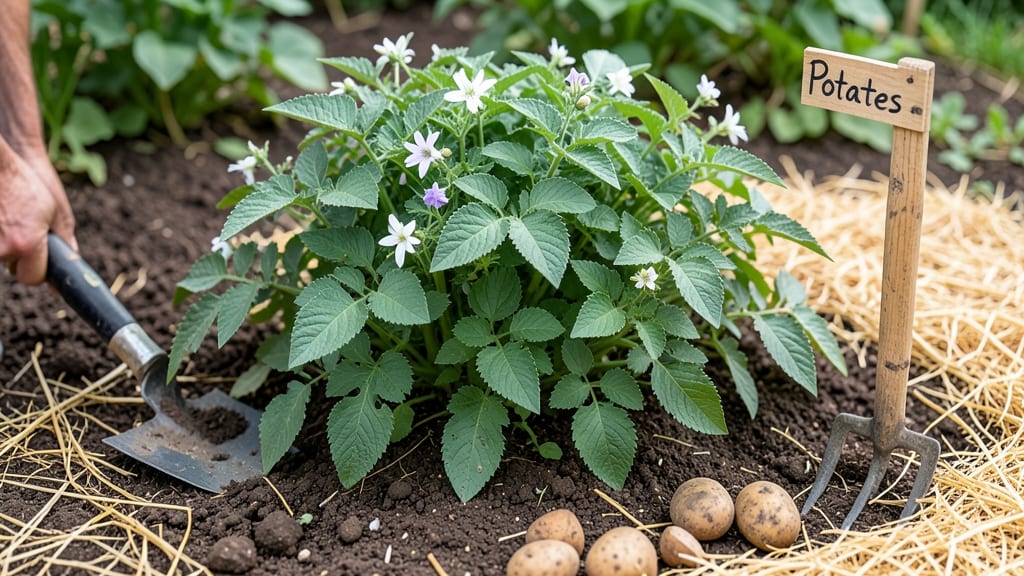
If you've ever wondered when can you plant potatoes in PA, the answer depends on more than just the calendar—it's about reading your soil and climate like a pro.
Pennsylvania's 5a-7a zones mean your neighbors might be planting while you're still shoveling snow, or vice versa, depending on where you live in the state.
The ideal window for most gardeners is mid-March to mid-April, but that's just the starting point. Soil temperature matters just as much as frost dates—your spuds won't thrive until the ground warms to at least 45°F.
And if you're eyeing a fall harvest, late August to early September could be your second chance to grow 🥔 potatoes.
What if you're new to gardening or dealing with unpredictable PA weather? Don't worry—I'll walk you through how to test your soil, adjust for late frosts, and even plant in containers if space is tight.
By the end, you'll know exactly when to get those seed potatoes in the ground for a bumper crop.
Whether you're aiming for early new potatoes or storing tubers through winter, timing is everything. Let's break down the exact steps so you can avoid common mistakes and maximize your harvest—no guesswork required.
Ideal soil temperature and planting dates for PA potatoes
Pennsylvania’s variable climate means your potato planting window depends on USDA zones 5a-7a and last frost dates. Most regions can start planting seed potatoes 2-4 weeks before your last frost date, but soil temperature is the real game-changer.
Potatoes thrive when soil reaches 45°F or warmer—any colder, and growth stalls or tubers rot.
For spring planting, aim for mid-March to mid-April in southern PA (zones 6b-7a) and late April to early May in northern PA (zones 5a-6a). If you’re in the Poconos or Erie regions, wait until after May 15 to avoid frost damage.
Use a soil thermometer to confirm readiness—planting too early is a common mistake that leads to poor yields.
🌱 PA Potato Planting Guide by Region
| Region | Last Frost Date | Ideal Planting Window | Soil Temp Goal |
|---|---|---|---|
| Southeast PA (Philadelphia, Reading) | April 15 | Mid-March to April 1 | 45°F+ |
| Central PA (Harrisburg, State College) | April 25 | Late March to April 15 | 45°F+ |
| Northeast PA (Scranton, Wilkes-Barre) | May 10 | Late April to May 1 | 45°F+ |
| Northwest PA (Erie, Pittsburgh) | May 15 | Late April to May 10 | 45°F+ |
If you’re unsure about your last frost date, check the Penn State Extension or Almanac’s PA frost calculator. For early varieties like 'Yukon Gold', you can plant 2 weeks before the ideal window, but cover seedlings with frost cloth if nights dip below 32°F.
Pro tip: Chitting (pre-sprouting) seed potatoes indoors 4-6 weeks before planting gives you a 2-week head start on growth.
For fall planting, Pennsylvania’s short growing season allows one last harvest if you plant late August to early September. Choose fast-maturing varieties like 'Red Pontiac' (60-70 days) to harvest before first frost (October 1-November 1).
Soil should still be above 50°F for tubers to form properly. Avoid planting after September 15 unless you’re using a cold frame to extend the season.
One common mistake is assuming air temperature matches soil temperature. Soil warms 3-5 days slower than air, so don’t rush planting just because spring arrived. Test soil with a thermometer at 4-inch depth—this is where tubers form.
If it’s below 45°F, wait or use black plastic mulch to warm the soil faster.
Container growing is another option for short-season gardeners. Fill 5-gallon buckets with well-draining mix and plant seed potatoes 2 inches deep. Containers warm up faster than soil, so you can plant 1-2 weeks earlier than in-ground.
Just ensure pots get full sun (6+ hours) and water consistently—containers dry out 3x faster than garden beds.
Remember: Early planting ≠ early harvest. Potatoes need 90-120 days to mature, so if you plant in March, harvest in late June-early August. For new potatoes (small, tender tubers), dig when plants flower—this happens 60-70 days after planting.
Use a fork to gently loosen soil and avoid damaging tubers.
For organic gardeners, add compost or aged manure to planting holes for extra nutrients. Avoid fresh manure—it can burn roots and attract pests. If your soil is heavy clay, mix in sand or peat moss to improve drainage.
Poor drainage is the #1 reason potatoes rot in PA’s humid summers.
Finally, mark your calendar for harvest reminders. Most PA gardeners get two harvests: one in late June (new potatoes) and another in August-September (mature tubers).
If you miss the spring window, don’t despair—fall planting still works with the right variety and timing. Just be ready to harvest before frost!
How to extend your PA potato growing season with smart techniques
If you love fresh potatoes but hate missing the harvest window, don’t worry—PA’s climate lets you grow spuds twice a year with the right tricks.
Whether you’re dealing with late spring frosts or early fall chills, these strategies will help you extend your growing season and enjoy homegrown potatoes for months.
For early planting, start indoors in February by chitting seed potatoes (placing them in a bright, cool spot to sprout). Once soil reaches 45°F, transplant them outdoors under frost cloth or a mini greenhouse to protect tender sprouts.
This gives you a 2-3 week head start on the traditional planting window.
For late-season harvests, plant frost-tolerant varieties like Kennebec or Yukon Gold in late August to early September. Use row covers or straw mulch to insulate tubers from early frosts.
These potatoes will mature just in time for fall harvests in October or November, giving you spuds when stores run out.
Here’s how to maximize your potato harvest with minimal effort:
- 📅 Chit seed potatoes indoors 4-6 weeks before last frost for faster sprouting.
- 🛡️ Use row covers or cold frames to protect early plantings from late frosts (down to 28°F).
- 🌡️ Plant frost-tolerant varieties like Red LaSoda or Adirondack Blue for cooler climates.
- 🌾 Succession plant every 2 weeks in spring for a staggered harvest (great for containers!).
- 🍂 Mulch heavily with straw in fall to insulate tubers and delay frost damage.
One common mistake? Planting too deep—this can lead to small, misshapen tubers. Aim for 2-4 inches deep, with 12 inches between rows. If you’re growing in containers, use 5-gallon buckets and plant 2-3 seed potatoes per container for a bountiful harvest.
For fall planting, wait until soil temps drop below 70°F (usually late August) to avoid heat stress. Choose early-maturing varieties like Early Rose or Finnish Yellow to ensure tubers mature before the first frost. With these techniques, you’ll enjoy fresh potatoes from spring through fall—no greenhouses required!
Pro tip: Harvest a few tubers early (when flowers appear) for new potatoes, then let the rest mature for full-sized spuds. This way, you get two harvests in one season!