
Companion Plants
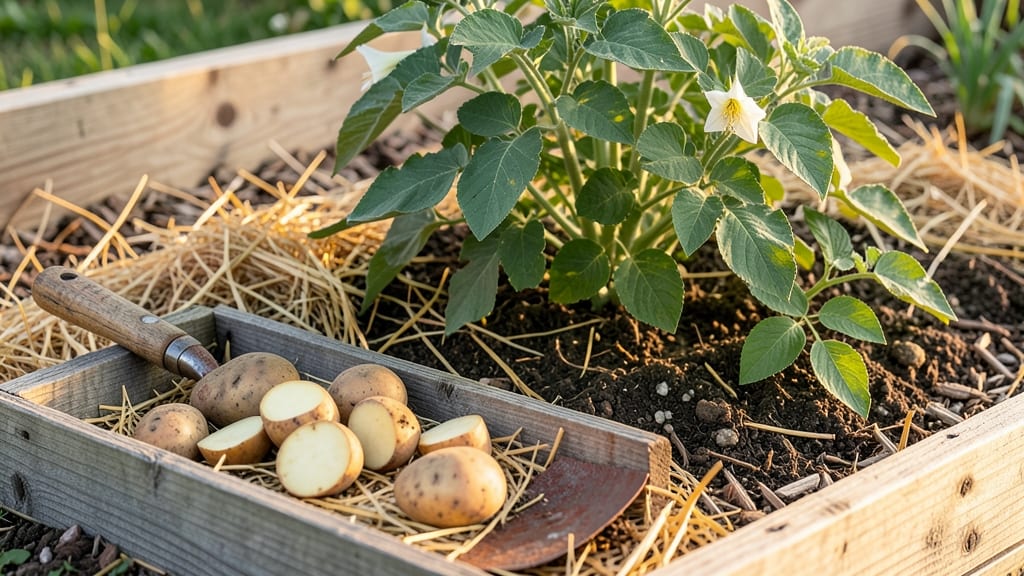
When can I plant potatoes in Georgia? Timing your potato planting wrong could mean the difference between a bumper crop of 🥔 and a sad, wilted mess.
The state’s varied climate—from the cool mountain air of Zone 7b to the steamy lowlands of Zone 8b—makes the perfect window feel like a moving target.
Most gardeners here swear by planting between February and March, but late frosts or early heat can throw off even the best-laid plans.
Whether you’re growing early varieties like ‘Yukon Gold’ or heat-loving ‘Sweetheart’ potatoes, knowing when to stick those spuds in the ground is the key to a harvest that’ll feed your family for months.
I’ve tested the best strategies—from soil warming tricks to staggered planting—to help you avoid common mistakes. Ready to dig in? Let’s break down the exact dates, soil temps, and variety picks that’ll give you potatoes that’ll make your neighbors jealous.
No more guessing games: this is your no-fluff guide to planting potatoes in Georgia for a harvest that’ll last from June through September. Let’s get those tubers growing!
Georgia potato planting calendar: exact dates by USDA hardiness Zone (7a-8b)
Georgia’s diverse climate zones mean your potato planting window depends heavily on whether you’re in the cool Appalachian mountains (Zone 7a) or the warm coastal plains (Zone 8b). For Zone 7a, aim to plant seed potatoes 4-6 weeks before the last frost, typically mid-February to early March.
In Zone 8b, you’ve got more flexibility—start as early as late January or hold off until April for a fall harvest.
Soil temperature is your secret weapon for success. Potatoes thrive when soil reaches 45°F (7°C), signaling it’s safe to plant. In Zone 7b, this usually happens by early March, while Zone 8a gardeners can plant by late February.
Use a soil thermometer to double-check—cold soil delays sprouting and invites rot.
Here’s the golden rule: Plant early varieties (like ‘Red Pontiac’) in February-March for a June harvest, and late varieties (like ‘Kennebec’) in April-May for a July-August bounty. Staggered planting ensures a continuous harvest all summer long.
🌱
Georgia Potato Planting by USDA Zone
| Zone | Last Frost Date | Ideal Planting Window | Soil Temp Threshold | Harvest Window |
|---|---|---|---|---|
| 7a (North GA) | March 15 | Feb 15 - Mar 1 | 45°F (7°C) | June 15 - July 15 |
| 7b (Central GA) | March 1 | Feb 1 - Mar 15 | 45°F (7°C) | June 1 - July 31 |
| 8a (South GA) | Feb 15 | Jan 20 - Apr 15 | 45°F (7°C) | May 15 - Aug 15 |
| 8b (Coastal GA) | Jan 31 | Jan 1 - May 1 | 50°F (10°C) | April 15 - Sept 15 |
*Adjust dates 1-2 weeks earlier for early varieties or later for late-season harvests.
Don’t let Georgia’s late spring frosts catch you off guard. If you plant in February, use frost cloth or row covers until the danger of frost passes. In Zone 8b, you can even plant a fall crop in August for a November harvest before the first frost hits.
Pro tip: Chit your seed potatoes (sprout them indoors) 4-6 weeks before planting. This gives you a 2-week head start on growth, especially critical in Zone 7a where the season is shorter. Place them in a bright, cool spot (60°F) and watch for 1-inch sprouts before planting.
For container growing, plant in deep pots (12+ inches) and choose determinate varieties like ‘Sweetheart’ or ‘Red LaSoda’. Containers warm up faster in spring, so you can plant 2-3 weeks earlier than in-ground gardens. Just ensure pots have drainage holes to prevent rot.
🌿
Remember, soil prep is non-negotiable. Georgia’s clay-heavy soils drain poorly, leading to rotten potatoes. Amend your beds with compost or aged manure and consider raised beds for better drainage. Aim for a pH of 5.0-6.5—test your soil in fall and adjust with lime or sulfur as needed.
How to adjust potato planting for Georgia’s unpredictable weather patterns
Georgia’s weather can be as unpredictable as a summer thunderstorm—one day it’s 60°F and sunny, the next it’s 32°F with frost warnings. This variability makes potato planting a high-stakes game of chance unless you adapt.
The key is flexibility: use staggered planting, row covers, and soil warming tricks to hedge your bets against late frosts or scorching heat.
Start by planting early varieties 4-6 weeks before your average last frost date (typically mid-March in most of Georgia). If you’re in Zone 7a (like the North Georgia mountains), add a frost cloth for extra protection.
For Zones 8a-8b (coastal areas), you might even squeeze in a fall harvest by planting in early August—just time it so tubers mature before the first frost.
- 1. Stagger plantings: Sow seed potatoes every 2 weeks from February to April for a continuous harvest.
- 2. Use black plastic mulch: Warms soil 5-10°F faster than bare earth, speeding up sprouting.
- 3. Elevate beds: Raised beds warm up quicker in spring and drain better during Georgia’s flash floods.
- 4. Shade cloth in summer: Protects tubers from heat stress (above 85°F) in July-August.
- 5. Monitor soil temps: Potatoes need soil at 45°F+ to sprout—use a soil thermometer.
Don’t let Georgia’s unreliable springs catch you off guard. If a late frost threatens after planting, cover rows with frost blankets or old bedsheets secured with bricks. For heatwaves, mulch heavily with straw to keep tubers cool.
Even in Zone 8b, where winters are mild, a cold snap in December can damage exposed potatoes, so plan to harvest before temperatures drop below 40°F.
Another trick? Plant potatoes in containers if your yard floods often. Five-gallon buckets work great—just drill drainage holes and fill with well-draining mix. This gives you control over moisture and lets you move plants to shade if needed.
Containers also warm up faster in spring, giving you a 2-week head start over in-ground plantings.
For organic gardeners, try compost tea or fish emulsion to boost soil microbes, which help potatoes resist Georgia’s humid fungal diseases like late blight. And if your soil stays soggy after rains, amend it with coarse sand or perlite to prevent rot.
The goal? Drainage + warmth = happy spuds.
Remember: Georgia’s microclimates vary wildly. A valley in Zone 7a might frost while a hillside in Zone 7b stays frost-free. Pay attention to your local frost history—check with your extension office or use apps like PlantMap to refine your timing.
With these adjustments, you’ll turn Georgia’s weather chaos into a potato-growing advantage.