
Plants
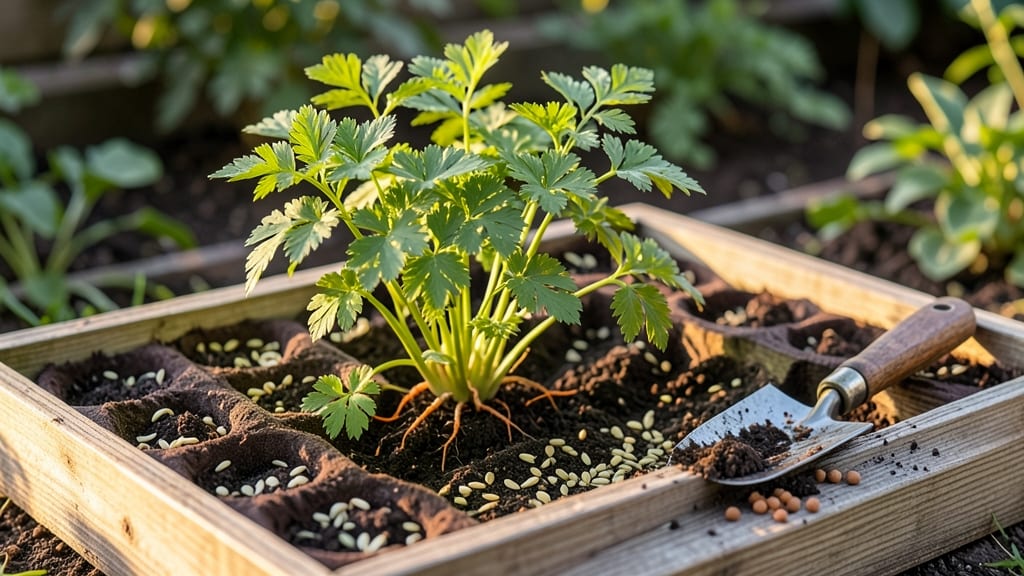
If you’ve ever pulled a bitter, woody carrot from your Zone 6 garden, you know timing is everything—planting too early risks frost damage, while waiting too long means small, tough roots. The secret to sweet, crisp 🥕 carrots lies in understanding your local frost dates and soil conditions.
In Zone 6 (General), where last frosts typically arrive around April 15, the ideal window to sow carrot seeds is 2–3 weeks before your final frost.
But there’s more to it than just dates—soil temperature, microclimates (like Piedmont vs. Appalachian regions), and succession planting can make or break your harvest.
Whether you’re a first-time gardener or a seasoned green thumb, this guide breaks down the exact weeks to plant for two successful harvests each year: early spring and late summer. No guesswork, just proven deadlines to ensure your carrots grow sweet and straight.
Ready to transform your garden? Let’s dive into the step-by-step schedule that’ll have you harvesting perfect carrots from spring to fall.
Zone 6 carrot planting schedule: exact weeks before last frost for success
Carrots thrive in Zone 6 when planted at the right time—2 to 3 weeks before your last spring frost and again in late summer for a fall harvest.
In Zone 6, the average last frost date is around April 15, but this can shift 2 weeks earlier or later depending on your microclimate. For example, Appalachian regions often experience frost a week later than Piedmont areas.
To nail your timing, aim for soil temperatures above 50°F. Use a soil thermometer to check—carrot seeds need warmth to germinate properly. If you plant too early in cold soil, seeds may rot or fail to sprout.
In my garden, I’ve found that mid-March plantings work best for early spring harvests, while late July plantings set up a fall crop before the first frost in mid-October.
Here’s your Zone 6 carrot planting timeline broken down for success:
| Planting Window | Weeks Before Last Frost | Soil Temp Requirement | Harvest Window |
|---|---|---|---|
| Early Spring | 2–3 weeks before last frost (typically mid-March) | Above 50°F | Late summer to early fall (July–September) |
| Late Summer (Fall Crop) | 8–10 weeks before first frost (late July–early August) | Above 55°F | Fall to early winter (October–December) |
| Succession Planting | Every 2–3 weeks from spring to early summer | Above 50°F | Staggered harvests (June–October) |
For succession planting, sow seeds every 2–3 weeks from early spring until mid-summer. This ensures a continuous supply of fresh carrots. I’ve had great success with this method—my garden never runs out of crisp roots!
Just be sure to stop planting by mid-August to allow enough time for maturity before the first frost.
Zone 6 gardeners in higher elevations (e.g., Appalachian regions) may need to adjust their planting dates by 1–2 weeks later due to cooler temperatures. Conversely, Piedmont areas can plant slightly earlier. Always check your local USDA Plant Hardiness Zone map for precise guidance.
Carrots need 70–80 days to mature, so calculate backward from your first frost date. For example, if your first frost is October 15, your last planting should be by early August to ensure a harvest before frost.
Use this formula: First frost date – 70 days = last planting date.
Pro tip: Direct-sow seeds—carrots hate being transplanted. Scatter seeds thinly in rows spaced 12–15 inches apart and cover lightly with soil. Keep the soil moist until germination, which typically takes 10–14 days in ideal conditions.
Thin seedlings to 2–3 inches apart once they’re 2 inches tall to prevent overcrowding.
If you’re in a cooler microclimate, opt for shorter-season varieties like ‘Early Nantes’ or ‘Paris Market’. These mature in 50–60 days, giving you more flexibility with planting dates. Longer varieties like ‘Danvers’ take 70–80 days, so they’re best for early spring or late summer plantings.
Finally, always test your soil before planting. Carrots prefer loose, well-draining soil with a pH of 6.0–7.0. Amend heavy clay soil with compost or sand to prevent forked or stunted roots. With the right timing and soil prep, you’ll be harvesting sweet, crisp carrots all season long! 🥕
Zone 6 carrot planting schedule: exact weeks before last frost for success
In Zone 6, where last spring frosts typically arrive around April 15, timing your carrot planting is critical. The ideal window to sow seeds is 4–6 weeks before your last frost date, which usually means early March to mid-April.
This ensures your carrots have enough time to mature before summer heat sets in, while avoiding frost damage to tender seedlings.
Carrots thrive in soil temperatures between 45°F and 85°F, but seeds won’t germinate below 50°F. In Zone 6, this means waiting until the soil warms to at least 50°F—usually by late March or early April—unless you’re using cold frames or row covers to extend the season.
For a second harvest in late fall, aim to plant 8–10 weeks before your first frost (around mid-August to early September). This gives your carrots time to mature before temperatures drop below freezing, ensuring a sweet, crisp harvest before winter sets in.
| Planting Period | Ideal Planting Time | Soil Temp Requirement | Harvest Window |
|---|---|---|---|
| Early Spring | 4–6 weeks before last frost (March–April) | ≥ 50°F | June–July |
| Late Summer | 8–10 weeks before first frost (August–September) | ≥ 50°F | October–November |
If you’re in a Piedmont microclimate (warmer, drier), you may start planting as early as late February, while Appalachian regions (cooler, wetter) might need to wait until mid-April. Always check your local USDA frost date maps for precise adjustments.
For succession planting, sow seeds every 2–3 weeks from early spring until mid-summer to ensure a continuous harvest. This method works best in well-drained soil and with varieties like 'Danvers' or 'Nantes', which mature quickly (in 60–70 days).
Pro tip: Use a soil thermometer to confirm temperatures before planting. If your soil is too cold, wait a few days or use black plastic mulch to warm it up faster. The goal is to give your carrots the best possible start for straight, sweet roots all season long. 🥕