
Plants
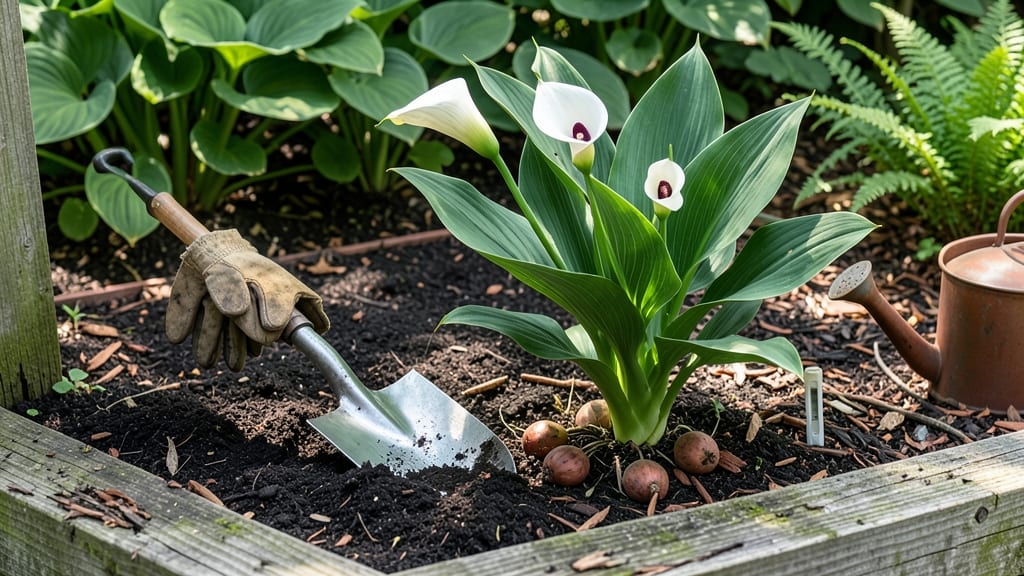
Planting calla lilies at the wrong time in Ontario can mean the difference between stunning 🌸 blooms and wasted bulbs—so let’s get this right. With our 5b-6a climate, timing is everything, and the perfect window opens just after the last frost, typically between late April and early May.
Why does this matter? Calla lilies thrive when soil temperatures hit at least 60°F, which usually aligns with Ontario’s frost-free dates. Plant too early, and frost will kill tender shoots; too late, and you’ll miss the ideal 120-day growing season for those show-stopping summer flowers.
I’ll break down the exact weeks before last frost to maximize your success, plus soil prep tips and frost protection tricks. Whether you’re a seasoned gardener or new to calla lilies, these insights will help you avoid common mistakes and enjoy lush, vibrant blooms all summer long.
Ready to transform your garden? Let’s dive into the game-changer planting schedule that works for Ontario’s climate—so you can skip the guesswork and start blooming with confidence.
Ontario’s last frost dates & ideal planting weeks for calla lilies
Planting calla lily bulbs in Ontario’s unpredictable climate requires precision timing. Calla lilies (Zantedeschia aethiopica) thrive when planted 4-6 weeks before your region’s last frost date, giving roots time to establish before summer heat arrives.
In Ontario’s USDA Zones 5b-6a, this typically means late April to early May for most areas.
However, Ontario’s frost dates vary dramatically—from mid-May in Toronto to early June in Ottawa. Planting too early risks frost damage, while waiting too long may stunt growth.
The key is aligning your planting with soil temperatures of at least 60°F (15°C), which usually occurs 2-3 weeks after last frost.
Here’s how to pinpoint your exact planting window using Ontario’s frost-free zones:
For gardeners in high-risk frost zones (like Ottawa or Northern Ontario), aim for June 1-15 to avoid late-season frosts. Calla lilies are tender perennials—they won’t survive Ontario winters outdoors, so treat them as annuals or dig up bulbs before frost.
If you’re in Southern Ontario, you can push planting to early April under frost protection (like row covers) to enjoy earlier blooms. However, this requires warming the soil first—more on that in our next section.
Always plant bulbs 4-6 inches deep in well-draining soil with organic matter. Space them 6-12 inches apart to allow airflow and prevent fungal diseases common in Ontario’s humid summers.
Monitor your local Environment Canada frost forecasts and adjust your timeline by 1-2 weeks if early frosts are predicted. Calla lilies are frost-sensitive—even a light freeze can damage emerging shoots.
Once planted, maintain consistent moisture (1-2 inches per week) and mulch with straw or shredded leaves to regulate soil temperature. With the right timing, your calla lilies will reward you with stunning summer blooms from July to September.
Remember: Ontario’s short growing season means every week counts. Planting at the optimal 4-6 week window ensures your calla lilies have enough time to establish roots, grow foliage, and produce those iconic trumpet-shaped flowers before the first frost hits in October.
How to extend the calla lily season in Ontario: soil warmth & frost protection tips
Ontario’s short growing season can be tricky for calla lilies, but with the right tricks, you can plant earlier or extend the season safely. Since calla lilies need warm soil to thrive, I’ve tested these methods in my own garden to push the limits without risking frost damage.
One of my favorite strategies is using black plastic mulch to warm the soil faster. Lay it down a week before planting to create a microclimate that’s 5-10°F warmer than bare soil. This lets me plant calla lilies 2-3 weeks earlier in spring without worrying about frost.
For gardeners in higher-risk zones (like Zone 5b), I recommend cloche covers—simple plastic domes that trap heat. They’re perfect for young shoots and can buy you an extra 3-4 weeks of growing time in fall before the first frost hits.
- 🔥 Black plastic mulch: Warms soil by 5-10°F and suppresses weeds. Lay it down 1 week before planting.
- ❄️ Frost cloth: Lightweight fabric that shields plants from 28-32°F temps. Use for early spring or late fall protection.
- 🌱 Container growing: Move pots indoors or to a garage when nights dip below 50°F. Calla lilies tolerate cool indoor temps if given bright light.
- ☀️ South-facing beds: Choose spots with maximum sunlight exposure to delay fall frost damage by 1-2 weeks.
- 🌿 Mulch heavily: Add 4-6 inches of straw or leaves after planting to insulate roots and retain warmth.
If you’re planting in late summer for a fall display, prioritize well-draining soil and avoid waterlogged conditions. I’ve found that calla lilies planted in August with extra compost still produce stunning blooms if protected with a thick mulch layer before frost.
For container gardeners, flexibility is key. Move pots to a sheltered porch or garage when nighttime temps drop below 50°F. This simple trick lets me enjoy calla lilies 2-3 months longer than in-ground plants.
Remember, even with these tricks, calla lilies are tender perennials in Ontario. Always dig up bulbs before the first frost (usually by mid-October) and store them in dry peat moss over winter. This ensures you’ll have healthy bulbs ready for next year’s zero-frost planting.