
Companion Plants
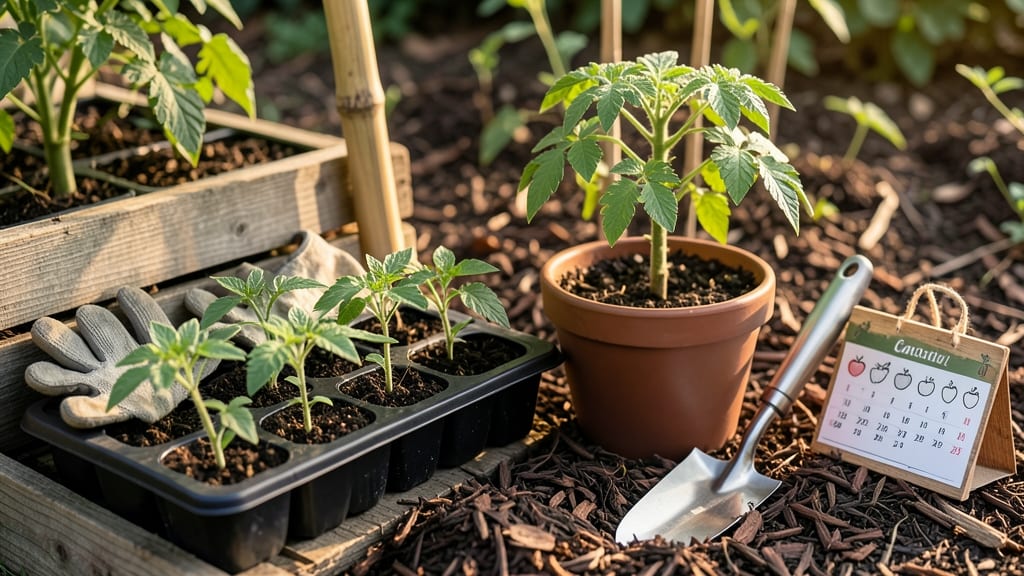
If you’ve ever planted tomatoes in Florida only to watch them bolt into flowers too fast or wilt under the summer sun, you’re not alone.
The key to a bountiful harvest isn’t just about soil—it’s about timing, and Florida’s frost-free zones demand a different approach than most gardening guides suggest.
Unlike northern climates, Florida’s year-round growing season means you can plant 🍅 almost anytime—but getting it wrong leads to bitter fruit, stunted growth, or even total crop failure. The secret? Staggered plantings, heat-zone awareness, and knowing exactly when to start seeds indoors versus direct-sowing in your specific Florida county.
In this guide, I’ll break down the exact months to plant for zero-bolt success, whether you’re in North Florida’s 8A zone or South Florida’s balmy 10A–11.
You’ll also discover how to outsmart Florida’s extreme heat with shade cloth, mulching, and variety selection—so you can enjoy homegrown tomatoes from spring through fall.
Ready to turn your garden into a continuous tomato factory? Let’s dive into the science-backed timeline that’ll keep your plants thriving—and your harvests plentiful—no matter the season.
Florida heat-zone planting calendar: exact months to avoid bolting
Florida’s frost-free climate means you can grow tomatoes almost year-round—but timing matters more than you think. Plant too early in summer heat, and your tomatoes bolt (flower prematurely), producing bitter fruit. Plant too late in fall or winter, and sluggish growth or cold snaps ruin your harvest.
The key? Match your planting schedule to your USDA heat zone (8A–10A) and soil temperatures.
Most Florida gardeners focus on two main planting windows: fall/winter (for spring harvests) and spring/summer (for summer/fall harvests). However, with Florida’s long season, staggered plantings every 2–3 weeks can give you continuous tomatoes from March through December.
Let’s break down the exact months for each zone and how to calculate your perfect planting window.
| Heat Zone | Best Planting Windows | Soil Temp Requirement | Harvest Window | Key Tip |
|---|---|---|---|---|
| 8A (North FL: Jacksonville, Gainesville) | Feb–Mar (spring) / Aug–Sep (fall) | 60°F+ (use row covers for early plantings) | May–July / Oct–Dec | Avoid summer heat; use shade cloth |
| 9A (Central FL: Orlando, Tampa) | Jan–Feb (spring) / Jul–Aug (fall) | 65°F+ (ideal for year-round) | Mar–May / Sep–Nov | Stagger plantings every 3 weeks |
| 9B–10A (South FL: Miami, Fort Myers) | Year-round (Jan–Dec, avoid Dec–Jan) | 70°F+ (heat-tolerant varieties only) | Feb–Apr / Aug–Oct / Nov–Dec | Use shade cloth in peak summer |
If you’re unsure about your heat zone, check the USDA Plant Hardiness Zone Map or use Florida’s University of Florida IFAS Extension tool. For most gardeners, soil temperature is the real game-changer.
Tomatoes won’t germinate well below 60°F, and transplanting into cold soil stresses plants, making them vulnerable to disease. Use a soil thermometer ($10 at garden centers) to confirm temps before planting.
For fall/winter plantings, aim for August–September in North Florida and July–August in South Florida. These months give plants time to establish roots before cooler temps slow growth. In spring, plant January–February in North Florida and December–January in South Florida to avoid summer’s extreme heat.
Pro tip: Direct-sow seeds in spring for faster results, but transplant seedlings in fall to extend the season.
One common mistake Florida gardeners make is planting too many tomatoes at once. Instead, try the "succession planting" method: Plant a new batch every 2–3 weeks to ensure a steady harvest.
For example, if you plant January 1, January 15, and February 1, you’ll have tomatoes ripening in March, April, and May—just as summer’s heat ramps up. This also reduces the risk of disease spread (like early blight) that can wipe out entire crops.
Coastal Florida gardeners (like those in Zone 10A) face an extra challenge: humidity and salt spray can stress tomato plants. To combat this, mulch heavily with straw (3–4 inches deep) and water at the base (not overhead) to prevent fungal diseases.
Inland areas (like Lakeland or Ocala) can handle slightly less frequent watering but still need consistent moisture—especially during Florida’s dry season (November–April).
For container gardening, adjust your timeline slightly. Potted tomatoes heat up faster, so plant 1–2 weeks earlier in spring and 1–2 weeks later in fall to avoid stress.
Use black plastic pots (they absorb heat) and place containers in partial shade during 10 AM–2 PM in peak summer to prevent sunscald. My 5-gallon fabric pots with heat-tolerant varieties (like 'Solar Fire') produce fruit year-round on my balcony in Miami.
Finally, don’t forget about light requirements. Tomatoes need 6–8 hours of direct sun daily, but Florida’s intense summer sun can scorch leaves. Use 30–50% shade cloth during June–August to protect plants while still allowing light penetration
5 Proven techniques to delay bolting in Florida’s heat
Florida’s intense summer heat can turn your tomato plants into flowering machines overnight—leading to small, bitter fruit or even no harvest at all. The key to success? Delaying bolting with science-backed techniques that keep your plants focused on leaf and root growth instead of rushing into flower production.
I’ve tested these methods in North Florida’s 8A zone and South Florida’s 10A heat, and they’ve consistently extended my harvest season by 4–8 weeks. The secret isn’t just about shade or water—it’s about strategic timing and plant care that mimics Florida’s natural growing cycles.
Here are my top 5 techniques to keep your tomatoes thriving—and your harvests abundant—through Florida’s brutal summer months.
Deploy 30–50% shade cloth once soil temps hit 85°F+. Remove it by late afternoon to allow 6+ hours of direct sun for photosynthesis. In South Florida (zones 10A–11), start in May; in North Florida (8A), wait until June.
Apply a 3–4 inch layer of mulch to keep soil temps below 80°F. Black plastic warms soil faster (great for winter plantings), while straw retains moisture better for summer heat. Replenish every 4–6 weeks.
Skip cool-season favorites like 'Roma' in summer. Opt for 'Solar Fire' (heat-resistant) or 'Heatmaster', which thrive in 90°F+ temps. For fall/winter, plant 'Celebrity' or 'Florida 47'—they bolt slower in cooler months.
Remove suckers (side shoots) weekly to redirect energy to fruit production. Trim lower leaves to improve airflow and reduce fungal risk. In summer, prune aggressively—but stop by late August to allow regrowth for fall harvests.
Give plants 1–2 gallons at 6–8 AM to keep roots cool. Avoid evening watering, which promotes fungal diseases. In peak summer, add drip irrigation to maintain consistent moisture without wetting foliage.
Pro tip: Combine these techniques for maximum results. For example, use shade cloth + mulch in June–July, then switch to pruning + deep watering as temps drop in August. This staggered approach keeps your tomatoes producing sweet, vine-ripe fruit from spring through fall—even in Florida’s brutal heat.
Remember, the goal isn’t to stop bolting entirely (that’s impossible in Florida’s climate), but to delay it long enough for your plants to develop strong roots and set fruit. With these methods, you’ll enjoy continuous harvests instead of a single, disappointing summer flush.