
Companion Plants
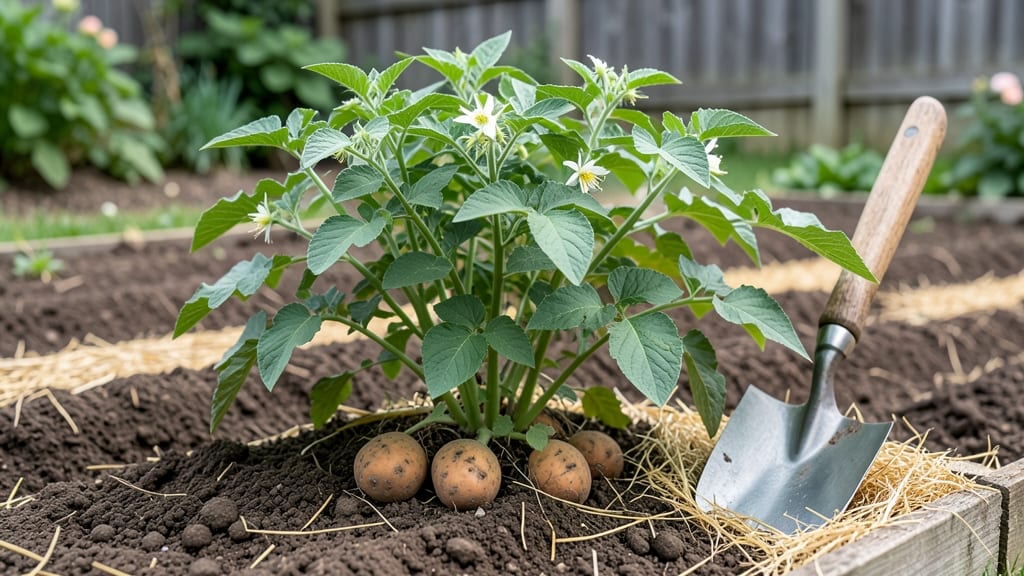
Knowing when to plant potatoes in Texas can make or break your harvest—especially when heat-sensitive varieties like Yukon Golds bolt faster than you can say "Lone Star State."
Texas gardeners face a tricky balance: plant too early in Zone 8a-10b, and your spuds might flower before they form; wait too long, and summer's relentless sun turns your soil into a sauna.
The sweet spot? Timing that aligns with your region's last frost date while avoiding the dog days of July.
In this guide, I'll break down the ideal planting windows for both spring and fall harvests, including how to adjust for North Texas' cooler winters versus South Texas' extended growing seasons. You'll also discover which potato varieties thrive in your microclimate—and how to outsmart bolting with simple tricks.
Whether you're a first-time gardener or a seasoned grower, these insights will help you turn your 🥔 patch into a bountiful harvest, no matter where you are in the state.
Texas potato planting calendar: best months for spring vs fall success
Texas's diverse climate means potato planting timing varies dramatically from the Panhandle to South Texas. In North Texas (USDA Zones 7b-8a), your last frost typically falls around February 15, while South Texas (Zones 9a-10b) rarely sees frost at all.
This creates two distinct planting windows: spring for cool-season harvests and fall for heat-tolerant varieties.
For spring potatoes, aim to plant 4-6 weeks before your last frost date. In Central Texas (Zone 8b), this means mid-February to early March.
Meanwhile, fall planting should happen 8-10 weeks before your first frost—typically late August to early October in North Texas, but you can push it to November in frost-free South Texas.
Soil temperature is critical: potatoes won't sprout until the soil reaches 45°F (7°C). In East Texas, this often happens by early February, while West Texas may need to wait until late March. Use a soil thermometer to confirm—cold soil delays germination and increases disease risk.
Here’s how to match your region to the perfect planting window:
Bolting—when potatoes flower prematurely and turn bitter—is your biggest enemy in Texas. To avoid it, plant early-season varieties in spring and late-season varieties in fall. For example, Yukon Gold (90-day variety) thrives in Central Texas springs, while Red LaSoda (110-day variety) handles South Texas heat better.
In North Texas, a spring harvest (April–June) is ideal, but you can also try a fall crop for a November–December harvest. Meanwhile, South Texas gardeners can plant year-round with proper shade and irrigation, focusing on heat-resistant varieties like Sweetheart or Kennebec.
Pro tip: If you’re in a transition zone (like Austin or San Antonio), consider succession planting. Plant a small batch every 2 weeks from February to April for a staggered harvest. This spreads out your risk and ensures a steady supply of fresh potatoes.
Always chit your seed potatoes (sprout them indoors) 4–6 weeks before planting. This gives you a 4–6 week head start on growth, critical in Texas’s unpredictable spring weather. Store them in a cool, dark place (50–60°F) with the sprout ends up to encourage even chitting.
Finally, soil prep is non-negotiable. Texas soils range from clay-heavy to sandy, and potatoes hate soggy roots. Amend your soil with compost or aged manure to improve drainage, and avoid fresh manure—it can <
How to adjust planting time by potato variety for Texas heat tolerance
Texas’s diverse climate zones—from North to South—mean not all potato varieties thrive at the same time. Early-season types like Red Pontiac bolt quickly in heat, while late-season varieties like Yukon Gold handle South Texas’s summer better.
Matching your potato type to your region’s planting window is key to avoiding wasted effort.
In North Texas (USDA Zones 7b-8a), where frost dates run from mid-February to December, focus on cool-season varieties planted in February-March for spring harvests. South Texas (Zones 8b-10a), with its warmer winters, can plant heat-tolerant varieties like Sweet Potato (no, not the same!) or Red LaSoda as early as January or as late as September for fall harvests.
Here’s how to align your potato variety with Texas’s microclimates for maximum yield:
| Variety | Days to Maturity | Best Planting Months (TX) | Heat Tolerance | Harvest Window |
|---|---|---|---|---|
| Red Pontiac | 80-90 days | February-March (North TX) / January-February (South TX) | Low (bolts in heat) | April-June |
| Yukon Gold | 90-110 days | March-April (North TX) / February-March (South TX) | Moderate (needs shade in summer) | May-July |
| Red LaSoda | 100-120 days | September-October (fall plant) | High (handles South TX heat) | November-December |
| Kennebec | 85-100 days | February-March (North TX) / January-February (South TX) | Moderate (avoid summer planting) | April-June |
| Russet | 110-130 days | September-October (fall only) | Moderate (needs cool nights) | November-January |
For South Texas gardeners, fall planting (September-October) is your best bet to avoid the 100°F+ summers. Red LaSoda and Russet varieties thrive in these conditions, while North Texas can squeeze in two harvests: one in spring (February-March plant) and another in fall (September plant).
Pro tip: If you’re in a transition zone (like Central Texas), opt for mid-season varieties like Kennebec and plant in late February for a spring harvest or early September for a fall harvest.
Always chit your seed potatoes (sprout them indoors) 4-6 weeks before planting to jumpstart growth in Texas’s short growing seasons.
Remember, soil temperature matters just as much as air temperature. Wait until the soil reaches 45°F+ before planting—use a soil thermometer to check! In South Texas, this might mean planting as late as March for spring crops.