
Plants
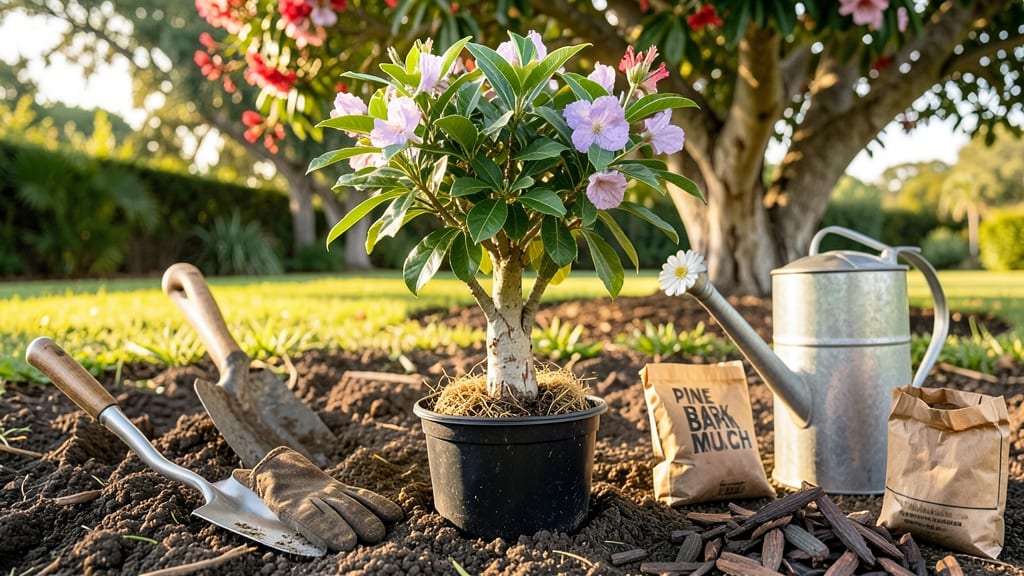
If you've ever planted your 🌸 crepe myrtle in Florida only to watch it struggle through summer heat or fail to bloom, you're not alone. The key to vibrant, thriving crepe myrtles lies in understanding Florida's unique climate zones and heat-tolerant planting windows.
Unlike many plants, crepe myrtles in Florida can be planted year-round, but timing matters more than you might think. Planting at the wrong time can lead to transplant shock, stunted growth, or even heat stress—especially in the sweltering summer months.
The secret to success? Knowing exactly when to put those roots in the ground for maximum growth and stunning blooms.
In this guide, I'll break down the best planting windows for your specific Florida hardiness zone, from North Florida's 8a to South Florida's 11. You'll discover how to avoid common mistakes and even learn how container planting can extend your planting season. Let's get those crepe myrtles thriving!
Whether you're a seasoned gardener or just starting out, these insights will help you plant your crepe myrtle at the perfect time—so you can enjoy its beautiful blooms for years to come. Ready to transform your landscape with foolproof timing?
Florida’s best crepe myrtle planting windows by hardiness zone (avoid frost risks)
Florida’s climate zones create two distinct planting windows for crepe myrtle—one for North Florida’s cooler winters (Zones 7B-8A) and another for Central/South Florida’s frost-free growing (Zones 9A-10A). Since crepe myrtle thrives in warm soil and moderate humidity, timing matters more than you might think.
Plant too early, and roots struggle in cold soil; too late, and summer heat causes transplant shock.
For North Florida gardeners, the ideal window is late March through April, when soil temperatures consistently stay above 60°F. This gives roots time to establish before summer’s brutal heat.
Meanwhile, Central/South Florida can plant year-round, but late spring (April-May) still delivers the best results for vibrant blooms and strong root growth.
Here’s the key: Soil temperature trumps calendar dates. Use a soil thermometer to confirm 60°F+ before planting. In Zone 8A, aim for mid-April; in Zone 9A+, any month works—but avoid peak summer (June-August) when humidity spikes and roots suffocate.
Heat-tolerant varieties like ‘Natchez’ or ‘Tonto’ handle Florida’s summers better than ‘Muskogee’, which needs cooler conditions. If you’re in South Florida, opt for dwarf varieties like ‘Acoma’ to reduce stress from intense sunlight and salt air near coastlines.
Transplant shock is the #1 enemy of crepe myrtle in Florida. To minimize it, water deeply 2-3 days before planting and mulch heavily (3-4 inches) to retain moisture. In North Florida, a light frost cloth can protect young trees in unexpected cold snaps (below 28°F).
If you’re in North Florida, don’t rush to plant in February—even if the weather feels warm. Cold soil (below 55°F) slows root growth by 50%. Instead, wait for consistent 60°F+ soil temps, which usually hits by mid-April.
For Central/South Florida, late spring (April-May) still wins because it aligns with peak rainfall and lower humidity, reducing fungal risks.
For container planting, Florida’s year-round warmth means you can plant anytime, but spring or fall still offers the best balance of moisture and temperature. Use fast-draining pots (like terracotta) and avoid plastic, which traps heat.
In South Florida’s Zone 10A, crepe myrtle grows 3x faster in containers because you can move them to shade during intense afternoon sun.
One critical mistake Florida gardeners make? Planting bare-root seedlings in summer. These trees desiccate within 48 hours in 90°F+ heat. Always buy container-grown crepe myrtle in summer or bare-root in spring/fall. For fastest establishment, soak roots in water + mycorrhizal fungus for 1 hour before planting
How to time your crepe myrtle planting for maximum bloom potential
Timing your 🌸 crepe myrtle planting isn’t just about avoiding frost—it’s about syncing with Florida’s heat, humidity, and soil conditions. The goal? Establish strong roots before summer’s intense heat arrives or winter’s cooler temps set in.
For most Florida gardeners, the 60-day window before peak summer (around April-May) is ideal, but your exact timing depends on soil warmth and local microclimates.
Start by checking your soil temperature—crepe myrtles thrive when soil is between 60-75°F. Use a soil thermometer to test before planting.
In North Florida (Zones 8a-9a), aim for early spring (March-April) when soil warms up, while South Florida (Zones 10a-11) gardeners can plant year-round but should prioritize late spring (May-June) to avoid summer storms.
Rainfall patterns also play a role. Florida’s wet season (June-September) can drown young roots, so avoid planting during heavy downpours. Instead, schedule your planting for a dry week with light rain forecasts—this gives roots time to establish without waterlogging.
Humidity spikes in summer can stress seedlings, so late spring or early fall planting often yields healthier trees.
🌱 Pro Tip: If you’re planting in containers, you can extend your planting window. Containers warm up faster in spring, so you can start 2-3 weeks earlier than in-ground planting. Just ensure your pots have drainage holes and use a well-draining potting mix to prevent root rot.
Here’s how to fine-tune your planting schedule based on your Florida county’s climate. For example, Jacksonville (Zone 8b) gardeners should plant in early April, while Miami (Zone 11) can plant in early May to avoid summer storms.
Always check your local Frost Free Date (though Florida rarely sees frost, microclimates vary).