
Companion Plants
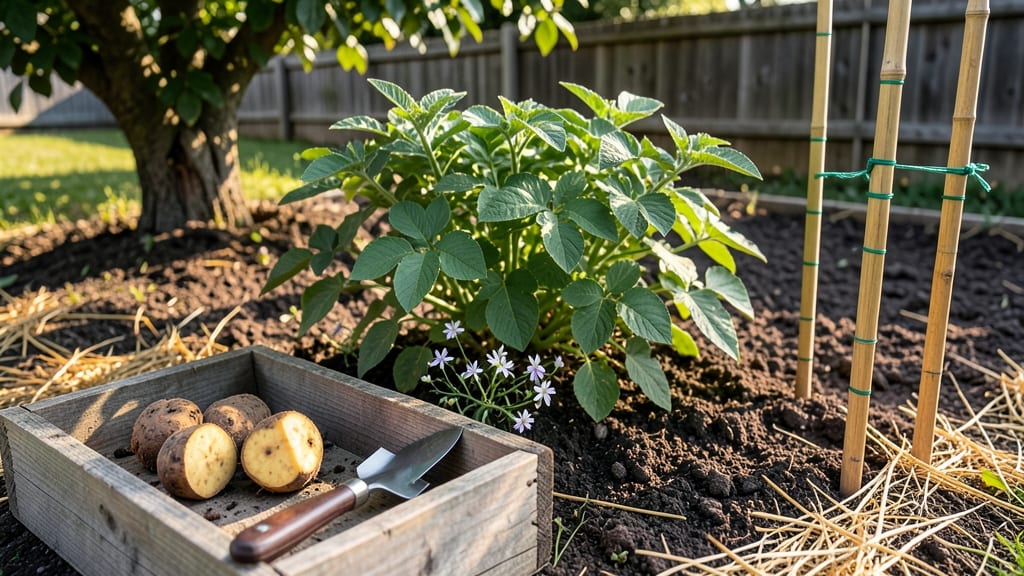
If you're asking "when can I plant potatoes in Zone 7b", timing is the secret to avoiding frost-killed sprouts and maximizing your harvest. The perfect window opens just 2-4 weeks before your last expected frost—typically between late February and early April—when soil temperatures hit a crisp 45°F.
Zone 7b's unpredictable spring weather means rushing too early can leave your 🥔 vulnerable to late frosts, while planting too late cuts harvest time short. I'll break down the exact frost-free timeline, soil prep tricks, and whether containers work better than in-ground planting for your climate.
You'll also discover how organic growers adjust their schedules (hint: it's not just about dates) and why some gardeners swear by planting seed potatoes in February for an earlier yield. Let's get your spuds in the ground at the perfect moment.
From calculating your local last frost date to avoiding common mistakes that ruin Zone 7b harvests, this guide ensures you'll be digging up plump, disease-free potatoes by summer. Ready to plant with confidence?
Zone 7B potato planting timeline: exact dates for frost-free success
In Zone 7B, potatoes thrive when planted at the perfect moment—too early and frost will kill them, too late and your harvest shrinks.
The ideal window is 2-4 weeks before your last frost date, typically between mid-March and early April for most of Zone 7B. For cities like Raleigh, NC, aim for March 1-15, while Richmond, VA gardeners should wait until March 15-April 1 to avoid late frosts.
Potatoes need soil temperatures of at least 45°F (7°C) to sprout properly. Use a soil thermometer to check—if it’s colder, wait a few days. Early varieties like Yukon Gold can handle cooler soils, while late varieties like Russet need warmer temperatures to avoid rot.
Planting too soon in cold soil leads to poor germination and disease.
For a second harvest, you can plant late-season potatoes in mid-June to early July. These short-day varieties mature faster in the shorter days of late summer, giving you a fall crop before frost. Just be sure to choose varieties labeled for short-day growing, like Red Pontiac.
If you’re unsure about your last frost date, use the USDA Plant Hardiness Zone Map or check local weather stations. Many Zone 7B areas experience a 50% chance of frost until March 15, so planting after that date minimizes risk.
For extra safety, cover seedlings with frost cloth if late frosts are forecasted.
Here’s a quick guide to adjust for your specific location in Zone 7B:
| Region | Ideal Planting Window | Soil Temp Requirement | Notes |
|---|---|---|---|
| Raleigh, NC | March 1–15 | 45–50°F (7–10°C) | High risk of late frost; use frost cloth. |
| Richmond, VA | March 15–April 1 | 45–55°F (7–13°C) | Warmer microclimates may allow earlier planting. |
| Lexington, KY | Mid-March | 45°F (7°C) minimum | Higher elevation areas may need to wait. |
| Second Harvest (Late Planting) | Mid-June–Early July | 55–65°F (13–18°C) | Use short-day varieties only. |
For organic gardeners, consider chitting potatoes (sprouting them indoors) 4–6 weeks before planting. This gives you a 3–5 day head start on growth once soil warms. Place seed potatoes in a cool, bright spot (like a sunny windowsill) and watch for 1-inch sprouts before planting.
If you’re growing potatoes in containers, plant 2–4 weeks earlier than in-ground planting. Containers warm up faster in spring, and their controlled environment reduces soil-borne diseases. Use 5-gallon buckets or fabric grow bags with drainage holes, and fill with a mix of potting soil and compost.
Remember, potatoes need space—plant seed pieces 10–12 inches apart in rows 24–36 inches apart. This prevents overcrowding and disease while making hilling easier. As plants grow, mound soil around the stems to encourage more tuber formation.
Pro tip: Mark your planting date on a garden calendar and track soil temps weekly. If a late frost hits, protect your plants with row covers or cloches until temperatures rise. With the right timing, you’ll enjoy a bountiful harvest in 90–120 days!
🌱
Zone 7B potato planting timeline: exact dates for frost-free success
In Zone 7B, your potato planting window hinges on two critical factors: soil temperature and last frost dates. Aim to plant seed potatoes 2-4 weeks before your average last frost—typically between late February and early April—when soil warms to at least 45°F (7°C).
This timing ensures sprouts emerge before frost damage strikes.
For Raleigh, NC, the last frost usually falls around March 15, so I plant my seed potatoes in mid-to-late February. In Richmond, VA, where frosts linger slightly longer, I wait until early March.
Check your local USDA frost maps or ask nearby gardeners for precise dates.
Pro tip: Use a soil thermometer to confirm warmth. Cold soil delays sprouting and invites rot. If your area has unpredictable late frosts, consider container planting—it warms faster and lets you move pots indoors if frost threatens.
| Planting Method | Ideal Planting Window | Soil Temp Requirement | Notes for Zone 7B |
|---|---|---|---|
| Seed Potatoes (Direct) | Late Feb–Early April | 45°F (7°C) minimum | Best for early harvests; mulch to retain warmth. |
| Seedlings (Transplanted) | Early April–Mid-May | 50°F (10°C) minimum | Slower start but avoids frost risk; ideal for late starters. |
| Containers (Early Start) | Late Jan–Early Feb | 40°F (4°C) minimum | Move indoors if frost threatens; harvest 2 weeks earlier. |
For a second harvest, try a late-summer planting in July. Choose fast-maturing varieties like 'Yukon Gold' or 'Red Norland', and expect harvests by October before the first frost. This works best in warmer microclimates or with black plastic mulch to extend the season.
Organic growers often plant earlier than conventional schedules to outpace pests. I’ve had success with chit-starting seed potatoes indoors in January, then transplanting them into cold frames when soil is workable. This gives you a 4-6 week head start on the season.
Remember: Potatoes need 90–120 days to mature. Plant too late, and you’ll miss your harvest window. Use the backward calculation method—subtract 120 days from your first frost date to find your absolute latest planting date.