Container Gardens
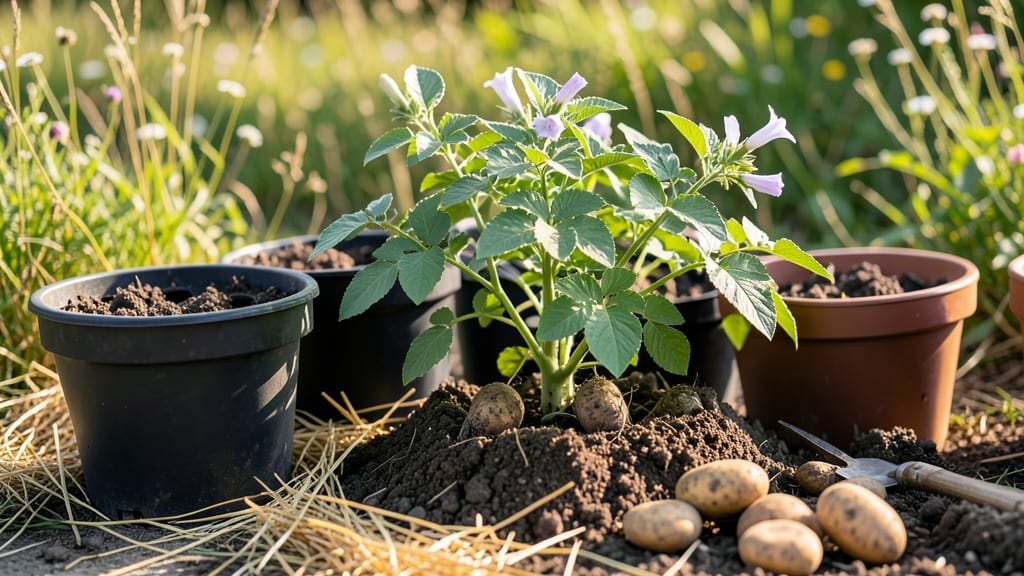
Planting potatoes in containers at the wrong time can leave you with bitter tubers or wasted effort—especially in Zone 6a where timing is everything. The key to avoiding bolting and maximizing your 🥔 harvest lies in understanding your last frost date and soil temperature thresholds.
For most gardeners, the ideal window is 2-4 weeks before your last frost, but containers need extra attention. Unlike in-ground planting, they warm up faster, so you might need to adjust your schedule based on whether you're in a coastal area or inland.
Let’s break down the exact timing for your zone and how to protect your plants from temperature swings.
You’ll also discover how to use container-specific tricks—like deep soil layers and proper drainage—to give your potatoes the perfect growing environment. Whether you’re a beginner or a seasoned container gardener, these insights will help you avoid common mistakes and get a harvest in as little as 60 days.
Ready to grow potatoes that thrive in containers? I’ll walk you through everything—from selecting the right varieties to recognizing when your plants are ready for harvest. Let’s get those spuds growing!
Best planting times for potatoes in containers by USDA hardiness zones
Timing your potato planting is critical in containers, where tubers have less room to develop. Unlike in-ground gardens, container-grown potatoes need precise timing to avoid bolting (flowering prematurely) or stunted growth from cold soil.
The best window is 2-4 weeks before your last expected frost, but this shifts dramatically by zone. For example, gardeners in Zone 3 might plant in late April, while those in Zone 9 can start as early as February.
Containers also require warmer soil temperatures to sprout—aim for 45°F (7°C) or above. Soil in pots heats up faster than ground soil, so you can plant 1-2 weeks earlier than in-ground guidelines suggest.
Just be prepared to protect seedlings with frost cloth if nighttime temps dip below 32°F (0°C). The key is balancing soil warmth with frost risk—neither should derail your harvest.
Here’s how to align your planting with your zone, using container-specific adjustments:
| USDA Zone | Ideal Planting Window | Soil Temp Threshold | Container Tip |
|---|---|---|---|
| Zones 3-4 | Mid-April to early May | 45°F (7°C) minimum | Use black containers to warm soil faster; cover with frost cloth at night. |
| Zones 5-6 | Late March to early April | 45°F (7°C) minimum | Plant in deep containers (12"+ depth) to accommodate tuber growth. |
| Zones 7-8 | February to early March | 50°F (10°C) minimum | Stagger plantings every 2 weeks for succession harvests. |
| Zones 9-10 | January to February | 55°F (13°C) minimum | Choose early-maturing varieties like 'Red Norland' to avoid summer heat stress. |
🌱 Pro Tip: Test soil temp with a thermometer—containers can vary 10°F+ from ground soil!
Regional microclimates add another layer. Coastal areas with milder winters (e.g., Zone 7 near the ocean) can plant 2 weeks earlier than inland zones. Conversely, high-altitude zones (e.g., Zone 5 at 5,000 ft) may need to delay planting by 3-4 weeks due to cooler soil.
Always check your local frost dates—the National Weather Service or Almanac tools are your best friends.
For containers, depth matters. Tubers need 10-12 inches of soil to develop fully, so opt for fabric grow bags or wooden boxes if your pots are shallow. Fill containers with a light, crumbly mix of 50% potting soil and 50% compost to improve drainage and aeration.
Avoid garden soil—it compacts in pots and strangles roots. Plant seed potatoes (not grocery-store spuds) 4 inches deep, spacing them 12-15 inches apart in larger containers.
Succession planting is a game-changer for containers. Since potatoes bolt quickly in heat, plant new seed potatoes every 2 weeks until mid-summer. This ensures a steady harvest instead of one massive (and often disappointing) yield.
In Zones 3-6, your last planting should be by early June to harvest before frost. In warmer zones, aim for July plantings to avoid summer bolting from heat stress.
Watch for early signs of bolting, like elongated stems or flower buds. If you spot these before tubers form, prune the flowers immediately—they divert energy away from tubers. Containers dry out faster, so water deeply 2-3 times per week during active growth.
Let the top 1 inch of soil dry between waterings to prevent waterlogged tubers, which turn mushy and rot.
Harvest timing varies by variety. New potatoes (small, tender tubers) are ready in 60-70 days, while storage varieties need 90-120 days. In containers, harvest by gentle hand-digging—grab a handful of soil and sift through it.
Stop when the plant fully dies back (tops turn yellow and crisp). Cure harvested potatoes in a cool, dark place for 1-2 weeks to toughen skins and improve storage life.
Missed the ideal window? Don’t panic. Late plantings can still work if you choose fast-maturing varieties like 'Early Red' or 'Golden Wonder'. Just
How to adjust planting time for container-grown potatoes in unusual climates
If you live in a high-altitude area, desert climate, or a region with unpredictable weather, standard planting times won’t cut it. Containers actually warm up faster than in-ground soil, which means your potatoes might bolt prematurely if you don’t adjust your schedule.
For example, gardeners in Zone 7b with hot summers should plant 2 weeks earlier than the general guideline to avoid heat stress.
In desert climates, where soil can reach 100°F+, potatoes need shade during peak afternoon heat. Use 50% shade cloth over containers to keep soil temps below 85°F.
For high-altitude gardens (above 5,000 ft), extend your season by planting 4-6 weeks earlier—cold nights can stunt tuber growth if soil temps drop below 45°F.
Here’s how to fine-tune your planting for tricky conditions:
-
1Desert Climates: Plant early spring (Feb-March) and use black plastic mulch to warm soil faster. Harvest by late June to avoid summer heat.
-
2High Altitude: Start containers indoors 4-6 weeks before last frost, then transplant when soil reaches 50°F. Use row covers for nighttime protection.
-
3Coastal Areas: Plant late spring (May-June) to avoid cool, damp soil. Choose early-maturing varieties (60-day harvest) to finish before fall rains.
-
4Erratic Weather: Use staggered planting—sow half your seed potatoes 2 weeks apart to spread out harvests and reduce bolting risks from sudden heat waves.
For cold frames or greenhouses, you can push the envelope further. In Zone 5, I’ve successfully grown Yukon Gold potatoes in containers under a cold frame starting in early April, even when outdoor temps were still near freezing.
The key is ensuring the soil stays above 45°F—use a soil thermometer to monitor temps.
If you’re in a tropical climate (Zones 10-11), focus on fall planting instead. Start containers in August-September to harvest before winter rains. Use well-draining soil mixes with perlite to prevent rot in humid conditions.
Pro tip: Test your soil temperature for 3-5 days before planting. If it fluctuates wildly (e.g., 60°F days, 40°F nights), delay planting until temps stabilize. Containers can’t buffer temperature swings like in-ground beds, so consistency is critical for tuber formation.