
Plants
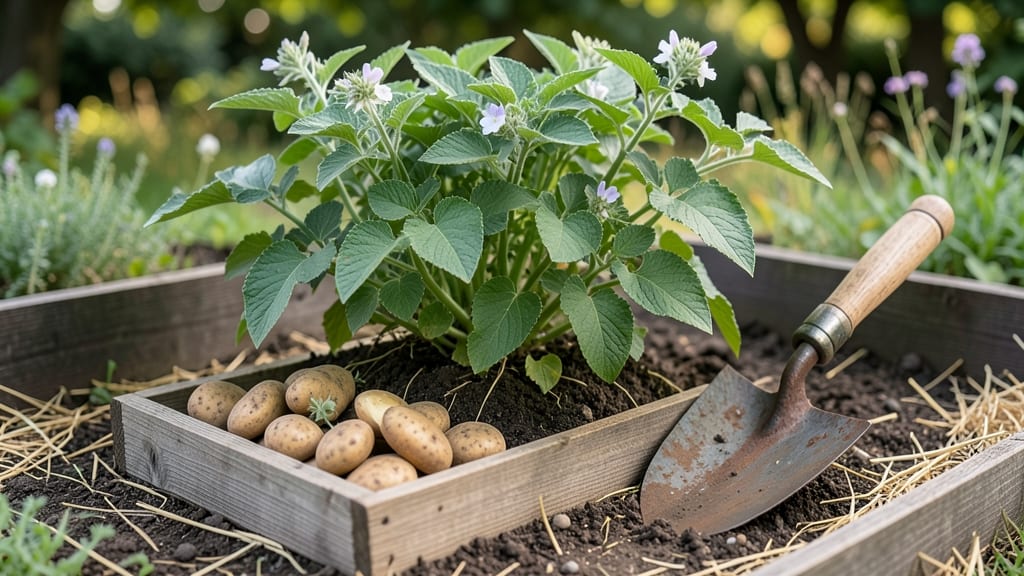
If you're wondering "when can you plant potatoes in Zone 5", timing is everything—get it wrong, and you risk frost damage or a meager harvest. The good news? With the right approach, you can grow bountiful 🥔 harvests even in cooler climates like yours.
Most gardeners in Zone 5 start planting as soon as the soil is workable, typically 4–6 weeks before the last frost. This usually lands in early spring, but cold-hardy varieties can even handle late winter planting with frost protection.
In this guide, I'll break down the exact planting windows for early, mid, and late varieties—plus tips to extend your growing season. Whether you're a beginner or a seasoned gardener, these strategies will help you maximize your potato yield.
Ready to dig in? Let’s explore the best dates, soil prep, and frost-smart techniques to ensure a thriving potato patch this year.
Zone 5 potato planting dates: exact timing for early, mid, and late varieties
In Zone 5, potatoes thrive when planted at the right moment—too early and frost kills tender sprouts, too late and your harvest shrinks. The key is timing 4–6 weeks before your last frost date, typically around mid-March to early April in most Zone 5 regions.
For example, if your last frost is April 15, aim to plant by March 15 for a full-season crop.
Your exact planting window depends on two factors: soil temperature (must reach 45°F) and frost risk. Cold-hardy varieties like 'Yukon Gold' can handle slightly cooler soils, while delicate types like 'Red Pontiac' need warmer conditions.
Always check your local frost dates—they can vary by 1–2 weeks even within Zone 5.
Here’s the golden rule: Plant potatoes when the soil is workable but not soggy. Press your finger 6 inches deep—if it feels like a damp sponge, you’re ready.
In northern Zone 5 (e.g., Minnesota, Wisconsin), this might be late April, while southern Zone 5 (e.g., Virginia, Missouri) can start as early as mid-March.
| Variety Type | Ideal Planting Window | Days to Maturity | Frost Tolerance |
|---|---|---|---|
| Early Varieties | March 15–April 1 (Zone 5) | 60–90 days | High (survives light frost) |
| Mid-Season | April 1–April 15 | 90–110 days | Moderate (needs protection) |
| Late Varieties | April 15–May 1 (with row covers) | 110–120 days | Low (needs frost protection) |
| Pro Tip: Use frost cloth to extend late planting by 2–3 weeks. | |||
For extended-season planting, try a late-spring strategy: Plant mid-April to early May with row covers or black plastic mulch to warm the soil faster. This works best for longer-maturing varieties like 'Kennebec' or 'Russet', which need the extra time to bulk up before frost.
Never plant potatoes in fall in Zone 5—they won’t survive winter. However, you can pre-sprout seed potatoes indoors in late February to give them a head start.
Place them in a bright, cool spot (50–60°F) with indirect light until 1-inch sprouts form, then plant them earlier for a jump on the season.
Watch for soil temperature spikes—if nights warm above 50°F consistently, it’s time to plant. Use a soil thermometer for accuracy. In urban areas, pavement can create microclimates that warm soil 1–2 weeks earlier than rural zones, so adjust accordingly.
If you’re unsure about your exact last frost date, check the USDA Plant Hardiness Zone Map or ask your local cooperative extension office. They’ll provide hyper-local advice tailored to your elevation and microclimate. For example, valleys often frost later than hilltops.
Once planted, mulch heavily with straw or grass clippings to insulate tubers and prevent soil temperature swings. This keeps roots consistently cool (60–70°F), which is critical for high-yielding potatoes. Without mulch, tubers can sprout prematurely or develop scab disease from uneven temperatures.
Remember: Early planting = earlier harvest, but don’t rush—cold, wet soil delays sprouting. Aim for 60–70°F soil and 50–60°F air temps for optimal growth. With these timelines, you’ll harvest baby potatoes in 60 days and full-sized spuds by late summer.
Zone 5 potato planting dates: exact timing for early, mid, and late varieties
In Zone 5, your potato planting window starts 4–6 weeks before your last frost date—typically between mid-March and early April. This timing ensures tubers establish roots before soil warms, preventing frost damage.
For example, if your last frost is April 15, plant seed potatoes between March 15–March 30 for optimal results.
Cold-hardy varieties like 'Yukon Gold' or 'Red Norland' can even handle late winter planting (February) under frost protection. Use row covers or cold frames to shield young plants from hard freezes. This extends your growing season by 2–3 weeks, giving you an earlier harvest.
For extended-season planting, try a second crop in late May or early June using fast-maturing varieties like 'Early Girl' (60–70 days to harvest). This works best in warmer microclimates or with black plastic mulch to warm the soil faster.
🥔 Zone 5 Potato Planting Timeline
| Planting Window | Soil Temp | Varieties | Harvest Time |
|---|---|---|---|
| Late February–Early March | 40–45°F (under protection) | Yukon Gold, Kennebec | Late June–July |
| Mid-March–Early April | 50–55°F (workable) | Red Norland, Russet | July–August |
| Late May–Early June | 60°F+ (warm soil) | Early Girl, Fingerlings | September (fall harvest) |
🌱 Pro Tip: Adjust dates 1–2 weeks earlier for northern Zone 5 or later for southern areas.
To calculate your exact planting date, check your local frost-free date (use the USDA Plant Hardiness Zone Map) and subtract 6 weeks. For instance, if your last frost is April 22, plant by April 8. Use a soil thermometer to confirm soil temps are above 45°F—cold soil delays sprouting.
For container growing, start seed potatoes indoors 2–3 weeks earlier than outdoor dates. Place containers in a sunny spot and transplant seedlings after the last frost. This method works well for balcony gardens or small spaces, with varieties like 'Red Pontiac' thriving in pots.
Remember: Early planting = earlier harvests, but avoid planting too soon—wet, cold soil can rot seed potatoes. Aim for well-drained, loose soil (sandy loam is ideal) and add compost to boost fertility before planting.