
Plants
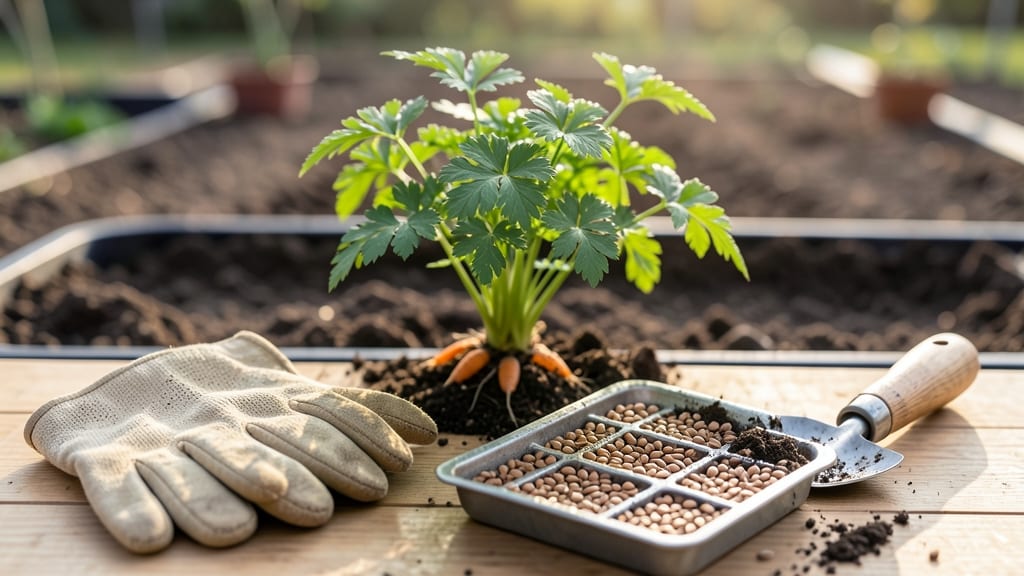
Planting carrots in Zone 6a at the wrong time can mean the difference between sweet, crisp roots and bitter, stunted failures. If you’ve ever watched your hard work turn to leafy greens instead of the 🥕 you planted, you know timing is everything.
Zone 6a’s unpredictable springs and early frosts demand precision—plant too early, and your carrots bolt; too late, and you’ll miss the harvest window. The key is knowing exactly when to sow seeds for maximum yield, whether you’re aiming for early spring or late summer plantings.
In this guide, I’ll break down the optimal weeks before last frost for planting, soil temperature tricks to avoid common mistakes, and how to stretch your harvest with succession planting. Ready to grow carrots that rival the grocery store’s best?
Let’s get your garden prepped for the perfect planting schedule—so you can enjoy homegrown 🥕 from June through October.
Optimal planting windows for carrots in Zone 6a (with exact weeks before last frost)
In Zone 6a, where last frost typically hits around April 15, timing your carrot plantings is critical. Carrots thrive in cool soil (50–65°F) and bolt when stressed by heat or drought.
The two best windows are early spring and late summer, each with precise frost-date calculations to avoid failure.
For spring plantings, aim to sow seeds 4–6 weeks before your last frost date. In Zone 6a, that means mid-March to early April. This gives carrots enough time to mature before summer heat sets in.
If you miss this window, don’t panic—fall plantings work just as well, with seeds going in July to early August for a late-season harvest.
Soil temperature is the #1 factor for success. Use a soil thermometer to confirm it’s 50°F or warmer before planting. Cold soil slows germination, while soil over 70°F causes bolting. In Zone 6a, March soil temps often fluctuate, so protect seeds with row covers if nights dip below freezing.
Direct sowing is the gold standard for carrots—transplants struggle with root damage. Scatter seeds ¼-inch deep in loose, clump-free soil. Thin seedlings to 2–3 inches apart once they’re 2 inches tall to prevent crowding, which leads to stunted, forked roots.
🥕 Zone 6a Carrot Planting Timeline
| Season | Planting Window | Weeks Before Last Frost | Soil Temp | Harvest Window |
|---|---|---|---|---|
| Spring | Mid-March to Early April | 4–6 weeks | 50–65°F | June–July |
| Fall | July to Early August | 14–16 weeks before first frost | 55–70°F | September–October |
💡 Pro Tip: Use short-day varieties like 'Paris Market' for fall to prevent bolting in Zone 6a’s shorter daylight.
Adjust your schedule if your Zone 6a microclimate runs hotter or colder. For example, valley areas may need earlier spring plantings (by late February) to avoid summer heat, while higher elevations can extend fall plantings into mid-August.
Always check your local frost dates—they can vary by 1–2 weeks even within the same zone.
If you’re experimenting with indoor starts, sow seeds 6–8 weeks before transplanting into the garden. However, carrots hate root disturbance, so use biodegradable pots and transplant with extreme care. Direct sowing remains the most reliable method for sweet, straight roots.
For late-season success, focus on shade cloth or row covers after early August to protect seedlings from bolting. Varieties like 'Danvers Half Long' tolerate cooler temps better than 'Nantes' types, which bolt faster in Zone 6a’s heat.
Finally, test your soil before planting. Carrots need loose, well-draining soil with a pH of 6.0–7.0. Amend heavy clay with compost or sand, and avoid fresh manure, which causes forked roots. A 1-inch layer of mulch keeps soil moist and weed-free.
With these precise windows and adjustments, you’ll harvest sweet, crisp carrots from June through October in Zone 6a—no more missed seasons or bitter roots! 🌱
Optimal planting windows for carrots in Zone 6a (with exact weeks before last frost)
Zone 6a’s last average frost date of April 15 sets the stage for your carrot planting schedule. For the sweetest, crispest roots, aim to plant 4–6 weeks before your last frost—typically mid-to-late March for early spring harvests.
This timing ensures soil temperatures stay above 45°F (7°C), the minimum carrots need to germinate without risking frost damage.
Carrots thrive in cool soil, so avoid planting when temperatures exceed 80°F (27°C)—this triggers bolting (flowering). In Zone 6a, late summer (July–August) is your second planting window, with harvests stretching into October before the first frost hits October 15.
Use these windows to maximize your yield without compromising quality.
| Planting Window | Weeks Before Last Frost | Soil Temp (°F) | Best Varieties |
|---|---|---|---|
| Early Spring | 4–6 weeks | 45–65°F | 'Danvers Half Long', 'Nantes' |
| Late Summer | 10–12 weeks | 50–75°F | 'Paris Market', 'Rainbow' |
Direct sowing is the only reliable method for carrots—transplants struggle due to their delicate roots. Start seeds ¼-inch deep in loose, stone-free soil. Use a soil thermometer to confirm temperatures; if soil is too cold, wait 1–2 weeks or use a cloche to protect seedlings.
For early plantings, cover seeds with straw mulch to retain warmth and moisture.
Adjust your schedule if your Zone 6a spring arrives early or late. Check your local Almanac frost dates and plant 2 weeks earlier if your area warms up faster than average. For example, if your last frost shifts to April 1, move your planting to mid-February for a jumpstart.
Monitor soil moisture—carrots need consistent dampness but hate soggy conditions, which cause rot.
Pro tip: Plant a test row 2 weeks before your target date to gauge soil readiness. If seeds sprout in 7–14 days, your timing is perfect. If germination takes longer than 3 weeks, wait another week and replant. This simple step saves you from wasted seed packets and bolting plants.
By mastering these exact planting windows, you’ll enjoy homegrown carrots from June through October—no more store-bought roots when your garden is begging for a taste of summer’s sweetest harvest. 🥕