
Watering
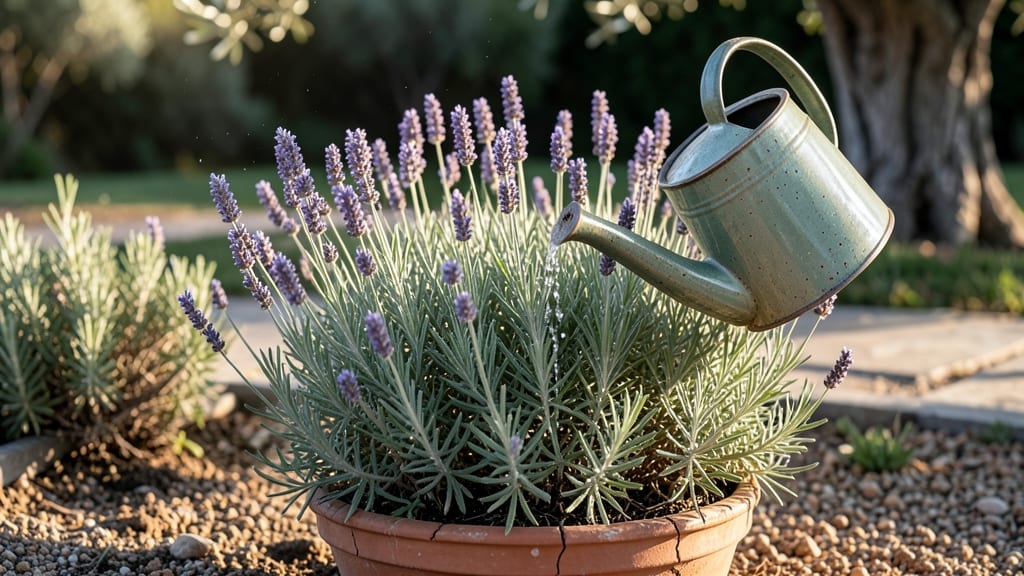
If your lavender plant how much water it needs is confusing—wilting after every drink or looking parched despite your efforts—you’re not alone. The truth? Lavender plants are famously low-maintenance, but their water needs are often misunderstood—too much or too little can turn your fragrant beauty into a sad, leggy mess.
I’ve seen firsthand how easy it is to drown these drought-loving plants, especially in containers where moisture lingers. The key isn’t just how much water to give but when and how—morning soaks, well-draining soil, and seasonal adjustments make all the difference.
Let’s break down the exact watering routine lavender craves to keep it thriving year-round.
Whether you’re battling USDA Zone 6a humidity or struggling with spring planting in March, this guide cuts through the guesswork. You’ll learn how to spot the subtle signs of over- or underwatering and adjust your routine without second-guessing.
No more dead zones in your garden—just lush, fragrant lavender that rewards your effort.
Ready to master the art of lavender hydration? Let’s dive into the simple, science-backed watering schedule that’ll have your plants looking their best from June through September—and beyond.
Ideal watering schedule for lavender plants by season and climate
Lavender plants are famously drought-tolerant, but that doesn’t mean they’re carefree. The key to keeping your lavender thriving lies in consistent, deep watering—not frequent shallow drenches. I’ve learned this the hard way after watching my first lavender plant struggle with root rot from overzealous watering.
Let’s break down the exact watering schedule your lavender needs, tailored by season and climate zone.
In spring, when your lavender is waking up from dormancy, aim for deep watering once a week. This encourages root growth without overwhelming the plant. Think of it like giving your lavender a long, refreshing drink—not a quick sip.
The soil should dry out completely between waterings, about 1-2 inches deep. If you’re in a humid climate, you might need to water slightly less frequently.
Here’s where most gardeners go wrong: overwatering in summer. Lavender in hot, dry climates (like zones 7-10) can go 10-14 days without water once established. In temperate zones (like USDA zones 5-6), you’ll still want to water every 2 weeks, but always check the soil first.
Stick your finger 2 inches deep—if it’s dry, water; if it’s damp, wait.
One of my biggest lavender watering mistakes was assuming that container-grown lavender needed the same care as in-ground plants. Containers dry out much faster, so I now water potted lavender every 5-7 days in summer, regardless of climate. Always use pots with drainage holes—this is non-negotiable for lavender!
In fall, as temperatures drop, reduce watering to every 2 weeks. Your lavender is preparing for dormancy, so let the soil dry out more between waterings.
If you’re in zone 5 or colder, you might even skip watering entirely once the ground freezes, unless you’re using mulch to protect the roots.
Winter watering is often overlooked, but it’s crucial in mild climates. In zones 7-10, a light watering every 3-4 weeks prevents dehydration. If you’re in snowy zones, watering isn’t necessary—snow provides natural hydration. Always water in the morning to prevent fungal issues from evening moisture.
Pro tip: If you’re unsure whether your lavender needs water, perform the finger test. Stick your finger 2 inches into the soil. If it feels dry, water deeply; if it’s damp, wait. This simple trick has saved my
Signs of overwatering vs. underwatering lavender (and how to fix it)
Lavender plants are famously drought-tolerant, but even they can suffer from watering mistakes. The key is learning to read your plant’s visual cues—yellowing leaves, drooping stems, or mushy roots can all signal trouble.
Let’s break down the telltale signs and how to revive your lavender before it’s too late.
When lavender gets too much water, its leaves turn a sad, yellowish-green or even brown. You might also notice soft, mushy stems or a foul smell near the base—these are red flags for root rot.
If the soil feels soggy or clumps together when squeezed, your plant is definitely overwatered.
Pro Tip: Stick your finger about an inch into the soil. If it’s damp, wait before watering again. Lavender prefers dry soil between waterings, so let the top 2-3 inches dry out completely before adding more water.
🌱 Overwatering Lavender
💧 Underwatering Lavender
On the flip side, underwatered lavender shows signs like crispy, brown edges on leaves and stems that feel brittle or snap easily. The soil might also pull away from the sides of the pot, indicating extreme dryness.
If you see these signs, it’s time to hydrate your plant—but don’t overdo it!
For overwatered lavender, the first step is to stop watering and let the soil dry out completely. If root rot has set in, you may need to repot the plant in fresh, sandy soil and trim any mushy roots.
For underwatered plants, give them a deep soak in the morning and monitor the soil moisture closely afterward.
Remember, lavender is a low-maintenance plant once established. The key is to water deeply but infrequently, especially in hot, dry climates. With the right balance, your lavender will reward you with vibrant blooms and that signature fragrance all season long.
🌿