
Size
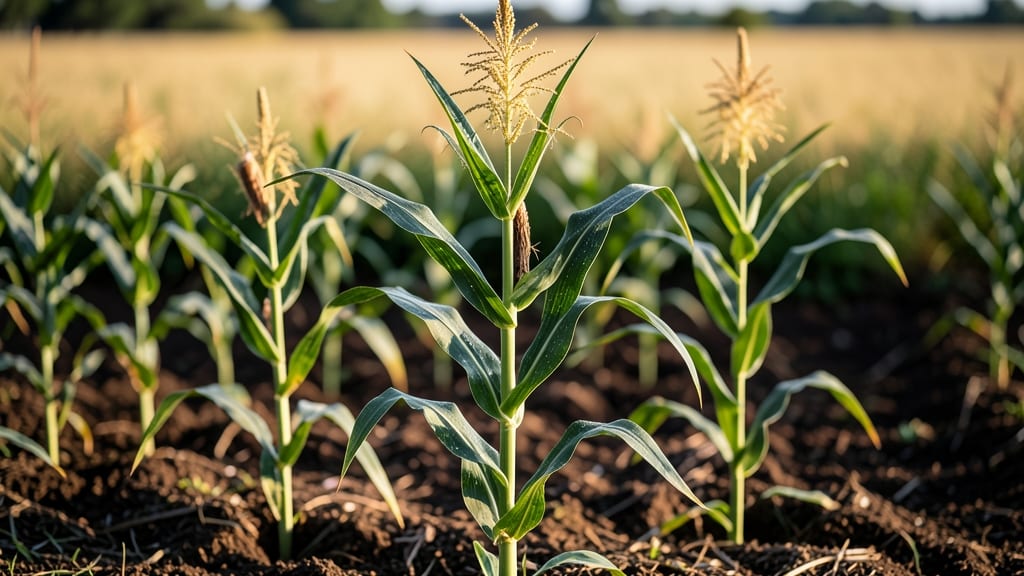
If you’ve ever wondered just how tall that towering 🌽 corn plant in your garden could grow, the answer might surprise you—some varieties stretch toward the sky like natural skyscrapers, while others stay humble at knee height.
The height of your corn isn’t just about aesthetics; it directly impacts everything from pollination success to how much space you’ll need in your backyard garden.
For most home gardeners in USDA Zone 6a, corn plants typically reach between 6 and 10 feet at maturity, but with the right (or wrong) conditions, they can grow even taller—or stay disappointingly short.
Whether you’re dreaming of a dramatic windbreak or just want reliable harvests, understanding what influences your corn’s height is the key to planning your spring garden like a pro.
Let’s break down the factors that determine how tall your corn will grow—from genetics and sunlight to soil quality—and share practical tips to help you choose the perfect variety for your space.
You’ll learn how to optimize growth, troubleshoot stunted plants, and even pick dwarf varieties that thrive in containers. Ready to grow corn that reaches new heights?
By the end of this guide, you’ll know exactly which varieties fit your garden’s size, how to give your corn the best shot at reaching its full potential, and why some gardeners swear by ornamental corn for its dramatic presence. Let’s get started!


Corn plant height variations: from dwarf to giant varieties
When planning your corn garden, height matters more than you might think. Some varieties barely clear your knees, while others reach the height of a telephone pole. Understanding these differences helps you choose the right corn varieties for your space, pollination needs, and even your harvest goals.
Whether you're growing in a small backyard or a sprawling farm, knowing the height range ensures you plant with confidence.
Most home gardeners grow sweet corn varieties that typically reach 6 to 10 feet tall. However, some ornamental and field corn varieties can dwarf these standards or tower even higher.
For example, dwarf corn varieties like 'Little and Lovely' stay between 3 to 5 feet, making them perfect for containers or small gardens. On the other end of the spectrum, giant corn varieties like 'Mammoth Melting' can exceed 12 feet, creating dramatic focal points in your garden.
Height isn't just about aesthetics—it directly impacts yield potential, pollination success, and even how you harvest your corn. Taller varieties often produce more ears but require more space and support, while shorter varieties may yield fewer ears but are easier to manage in tight spaces.
Let’s explore the full range of corn heights and what they mean for your garden.
🌽 Height Comparison Table
If you're growing sweet corn for eating, standard varieties like 'Silver Queen' or 'Peaches and Cream' are the most popular, reaching 7 to 10 feet.
These heights are ideal for backyard gardens because they provide enough space for pollination (corn is wind-pollinated, so taller plants catch more pollen) and produce multiple ears per stalk.
However, if you're limited on space, dwarf varieties like 'Golden Bantam' (a classic heirloom) or 'Tiny Tim' can thrive in containers or small plots.
For those who love a dramatic garden statement, ornamental corn varieties like 'Glass Gem' or 'Black Aztec' can grow 8 to 12 feet tall. These varieties are prized for their stunning, colorful kernels and architectural appeal, though they’re not suitable for eating.
If you're aiming for a windbreak or a natural privacy screen, taller varieties are a fantastic choice—but be prepared for their size and potential need for staking or trellising.
Field corn, often grown for livestock feed or ethanol production, can also reach impressive heights. Varieties like 'Pioneer Brand 39B47' can grow 10 to 14 feet tall, making them unsuitable for home gardens unless you have ample space and specific goals.
These giants require rich soil, plenty of water, and often benefit from support structures to prevent lodging (when plants fall over due to weight or wind).
One common misconception is that taller corn always means better yield per plant. While taller plants can produce more ears, they often yield fewer kernels per ear compared to shorter, bushier varieties.
For example, a 5-foot dwarf corn might produce 2–3 ears with 300–400 kernels each, while a 10-foot standard corn might produce 1–2 ears with 500–600 kernels each. It’s all about balancing your space constraints, harvest goals, and maintenance preferences.
Another factor to consider is pollination success. Corn relies on wind to transfer pollen from the tassels (male flowers) at the top of the plant to the silks (female flowers) at the base.
Taller plants have a better chance of catching pollen from neighboring plants, but if you're growing just a few stalks, you might need to hand-pollinate or plant multiple varieties close together.
Dwarf corn, with its shorter stature, may struggle in isolated plantings, so spacing and variety selection become even more critical.
Before you plant, measure your space and think about how tall your corn will grow. A 12-foot corn plant in a 5-foot-wide garden will quickly become
Corn plant height variations: from dwarf to giant varieties
Corn plants can vary dramatically in height, from compact dwarf varieties that barely reach your knees to towering giant varieties that stretch taller than a telephone pole. These differences aren't just about aesthetics—they directly impact your garden layout, pollination success, and even how you harvest your crop.
Most home gardeners grow standard sweet corn varieties that reach 6 to 10 feet tall, but some specialized types can exceed 12 feet. Understanding these variations helps you choose the right corn for your space and goals—whether you're growing for food, decoration, or even as a windbreak.
| Variety Type | Height Range | Best For |
|---|---|---|
| Dwarf Sweet Corn | 3–5 ft | Containers, small gardens, early harvests |
| Semi-Dwarf Sweet Corn | 5–7 ft | Home gardens, pollination pairs |
| Standard Sweet Corn | 7–10 ft | Large gardens, high yields |
| Ornamental Corn | 8–12+ ft | Decorative displays, windbreaks |
| Field Corn | 10–14 ft | Large farms, animal feed |
For example, 'Little and Tender' is a popular dwarf variety that stays under 5 feet, making it perfect for container gardening or small backyards. On the other end, 'Country Gentleman' ornamental corn can reach 12 feet or taller, creating a stunning focal point in your garden.
Height also affects pollination efficiency. Taller varieties may need more space between plants to ensure cross-pollination between rows. Meanwhile, shorter varieties can be planted more closely together, which is ideal for small-space gardens or urban farming.
If you're growing corn for food production, standard varieties typically yield the most ears per plant. However, if you're using corn for decorative purposes or as a living windbreak, taller varieties like 'Moonlight' or 'Black Aztec' can add dramatic height and texture to your landscape.
Remember, even within the same variety, height can vary slightly based on growing conditions. Providing rich soil, adequate water, and full sunlight will help your corn reach its full potential height—whether that's a compact 4 feet or a towering 12 feet.