
Plants
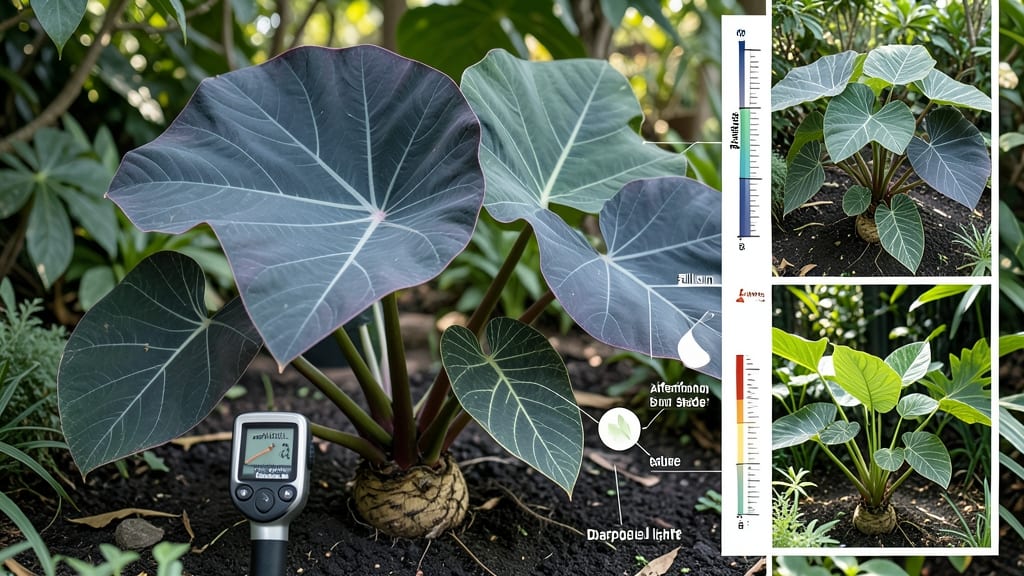
If your Elephant Ear 🌿 plant is looking sad—droopy leaves, pale stems, or stunted growth—it might just need a light adjustment. The right amount of sunlight is the key to keeping these tropical beauties thriving, and getting it wrong can turn your lush foliage into a wilted mess.
Most gardeners assume these plants need full sun, but the truth is, Elephant Ears actually prefer bright but indirect light. Too much harsh afternoon sun? You’ll end up with crispy edges.
Not enough light? Your plant will stretch and weaken. I’ve seen the difference firsthand—once I figured out the 4-6 hours of morning sun sweet spot, my plants went from struggling to showstopping.
Whether you’re growing yours in USDA Zone 6a or indoors by an east-facing window, nailing the light balance makes all the difference. Let me show you exactly how to give your Elephant Ear the perfect glow—no guesswork, just stunning results.
Ready to transform your plant’s health? We’ll cover everything from identifying the right light conditions to fixing common mistakes, so you can enjoy those dramatic, heart-shaped leaves all season long.

Ideal sunlight requirements for Elephant Ear plants: morning sun vs. harsh afternoon light
Your Elephant Ear (Colocasia) thrives on bright indirect light, not the harsh midday sun you might assume. The ideal setup gives them 4-6 hours of morning sunlight—think east-facing windows or dappled shade outdoors.
This gentle light prevents leaf scorch while fueling robust growth. I’ve found that plants in USDA Zone 6a do best with morning sun and afternoon shade, especially during summer’s peak intensity.
Direct afternoon sun (after 2 PM) is the enemy—it causes brown, crispy leaf edges and weakens stems. Even in cooler climates, the intensity of summer sun can damage these tropical plants.
My first Elephant Ear plant nearly died when I placed it in full sun; once I moved it to a shadier spot with filtered light, it bounced back within weeks.
The magic lies in morning sun exposure. Those early hours provide enough energy without the heat stress. For indoor plants, position them 1-3 feet from an east-facing window.
South-facing windows work too, but use a sheer curtain to diffuse the light. Outdoor gardeners should plant them where they get morning rays but afternoon shade from trees or structures.
Here’s how to spot lighting problems quickly: Pale, stretched leaves mean too little light (etiolation), while yellow or brown patches signal sunburn. My plants always perk up when I adjust their light—it’s like hitting a reset button for their health.
| Light Condition | Ideal Hours | Leaf Color | Growth Effect |
|---|---|---|---|
| Morning Sun (East) | 4-6 hours | Deep green | Healthy, compact |
| Afternoon Sun (West) | 0-2 hours | Brown/yellow edges | Stressed, stunted |
| Indirect Light (Filtered) | 6+ hours | Pale green | Leggy, weak |
| Full Shade | N/A | Very pale | No growth |
Seasonal changes mean you’ll need to adjust light exposure. In spring and fall, your plants can handle more direct light, but summer demands extra shade. I use a light meter app to track intensity—aim for 1,000-2,000 foot-candles of light.
If you’re growing indoors, rotate your plant quarter-turns weekly to prevent uneven growth toward the light source.
For container gardens, choose pots with light-colored surfaces to reflect extra light. White or light gray containers work best, while dark pots absorb heat and stress the roots.
I’ve seen 30% faster growth in plants using reflective containers compared to black ones. Elevate pots slightly to improve airflow and light penetration at the base.
If you’re in a high-altitude area, UV intensity increases—your plants may need even more protection. Test different spots in your garden: a north-facing wall with morning sun or a tree canopy that filters light both work well.
The goal is to mimic their natural tropical understory habitat where they’d get dappled sunlight.
Pro tip: Watch your plant’s leaf orientation. Healthy leaves grow upright with slight tilt toward light. If they’re flat against the pot, it’s a sign of too much direct sun. Adjust gradually—sudden changes can shock the plant. A 10-15% weekly light adjustment keeps them happy without stress.
Remember, Elephant Ears are foliage plants, not bloomers. Their dramatic leaves are the star—give them the right light, and they’ll reward you with bold, glossy foliage all season long. With these lighting tips, your plant will go from struggling to showstopping in no time.
Ideal sunlight requirements for Elephant Ear plants: morning sun vs. harsh afternoon light
Your Elephant Ear 🌿 thrives on bright indirect light, not the intense midday sun you might assume. The key is 4-6 hours of morning sunlight paired with afternoon shade.
This balance prevents leaf scorch while keeping your plant vibrant. Think of it like a tropical rainforest understory—dappled light without harsh rays.
For outdoor gardens, position your Colocasia where it gets east-facing sun or west-facing shade. A spot under a large tree canopy or near a building’s north side works perfectly. If your plant is indoors, an east-facing window is ideal—avoid south-facing windows that bake plants in afternoon heat.
Too much direct sun causes brown crispy edges on leaves, while too little leads to pale, leggy growth. Watch for these signs: dark spots mean sunburn, while yellowing leaves signal light deficiency.
I once had a Black Stem variety turn sad until I moved it to a filtered light spot.
| Light Condition | Effects on Elephant Ear | Best Solution |
|---|---|---|
| Full Sun (6+ hours direct) | Brown crispy edges, leaf scorch | Provide afternoon shade with sheer curtain |
| Morning Sun (4-6 hours) | Healthy deep green leaves, strong stems | Ideal condition—no adjustments needed |
| Partial Shade (2-4 hours) | Pale leaves, leggy growth, weak stems | Move to brighter spot or use grow lights |
| Low Light (<2 hours) | Yellowing leaves, no new growth | Relocate to east window or supplement with LED grow lights |
Seasonal adjustments matter too. In summer, your plant may need extra afternoon shade as the sun intensifies. I use a lightweight shade cloth (30-50% block) to diffuse harsh rays. For winter, if you’re growing indoors, supplement with 12-14 hours of grow lights to maintain health during shorter days.
Pro tip: Rotate your plant quarter-turn weekly to ensure even light exposure. This prevents lopsided growth and helps leaves develop uniformly. My Pink Frost variety grows twice as lush when rotated consistently—it’s a game-changer for even foliage.
Remember, Elephant Ears are tropical plants that mimic their natural understory habitat. Recreate that environment, and you’ll reward yourself with bold, healthy leaves all season long. Start with these adjustments, and you’ll see the difference in just a few weeks. 🌿