
Plants
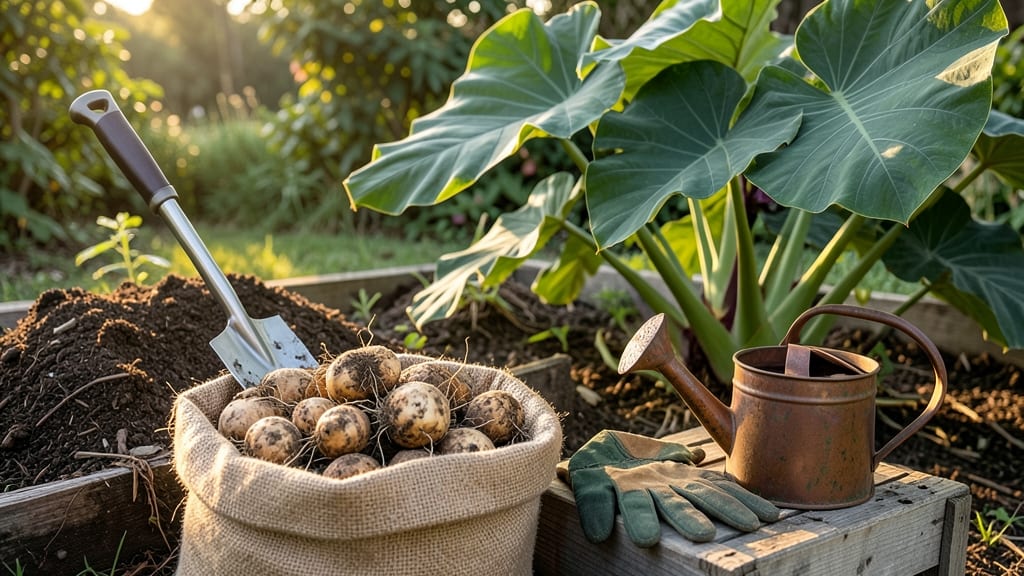
Timing when to plant elephant ear bulbs in Texas can make the difference between a stunning summer garden and a sad, wilted disappointment. The key is waiting until after the last frost—typically March or April—when soil temperatures hit at least 60°F for those tropical tubers to thrive.
Texas gardeners know the struggle: too early, and your elephant ears will rot in chilly soil; too late, and you miss the prime growing window. Whether you're in North Texas (where frosts linger longer) or the Gulf Coast (with earlier warm-ups), knowing your zone is everything.
I’ll break down exactly when to plant based on your Texas region, plus container-gardening hacks for areas with shorter growing seasons. No more guessing—just bold foliage from spring to fall.
Ready to transform your yard with dramatic, tropical leaves? Let’s get those bulbs in the ground at the perfect moment.
Texas planting zones and frost-free dates for elephant ear bulbs
Texas spans USDA zones 8a through 10b, creating wildly different frost-free windows for your elephant ear bulbs.
In North Texas (zones 8a-8b), like Dallas or Fort Worth, the last frost typically hits around February 15, while South Texas (zones 9a-10b), including Houston and the Gulf Coast, can plant as early as January 1.
The Hill Country often plays by its own rules, with later frosts in March—so always check local records!
Elephant ears thrive in warm soil temperatures (minimum 60°F) and humidity, making spring planting ideal.
The Gulf Coast can even push planting into late winter, but North Texas gardeners should wait until mid-April to avoid frost damage. Alocasia varieties are slightly more heat-tolerant than Colocasia, but both need consistent warmth to establish roots.
Here’s the key: Plant after your last frost date when nighttime temps stay above 55°F.
In East Texas, that’s often mid-February, while West Texas may not be ready until late April. Container planting extends your window—just move pots indoors before fall frosts (typically November 15 in most zones).
Pro tip: Use a soil thermometer to confirm 60°F+ soil temps before planting. Sandy soils in West Texas may need mulch or black plastic to warm up faster, while clay-heavy soils in East Texas benefit from compost amendments to improve drainage. Alocasia varieties, like 'Polly', handle partial shade better than Colocasia, making them ideal for North Texas shade gardens.
If you’re in zone 8a or colder, treat elephant ears as annuals or overwinter tubers indoors. Zone 9a and above can push the envelope with fall planting (September–October) for winter interest, but expect slower growth until spring. Gulf Coast gardeners often enjoy year-round foliage with proper mulching and drip irrigation.
For container growing, start tubers indoors 4–6 weeks before your last frost date.
Use well-draining potting mix and place containers in bright, indirect light until soil temps stabilize. Hardening off (acclimating to outdoor conditions) for 7–10 days before transplanting reduces shock. Alocasia tubers are especially sensitive to temperature swings, so avoid planting during unpredictable spring weather.
Step-by-step planting schedule: when to set tubers in Texas soil
Timing your elephant ear bulbs correctly is key—plant too early, and frost will kill them; too late, and they’ll struggle in Texas’s brutal summer heat. My step-by-step schedule aligns with Texas’s soil temperature thresholds and regional variations to maximize your tropical foliage’s success.
Start by checking your local frost-free date (e.g., February 15 in North Texas, January 1 in South Texas). Once the last frost has passed, wait until soil temperatures hit at least 60°F—this usually lands in late March to early April for most of the state.
Use a soil thermometer to confirm before planting.
For North Texas (Zones 7b-8a), aim for mid-April planting to avoid late frosts. In Central Texas (Zones 8a-8b), you can start as early as late March, while South Texas (Zones 9a-10b) gardeners have flexibility until early May—just be mindful of summer’s intense heat.
- Step 1: Test soil temperature—plant only when it reaches 60°F+ (use a soil thermometer).
- Step 2: Soak bulbs in lukewarm water for 4-6 hours before planting to encourage root growth.
- Step 3: Dig holes 2-3 times deeper than the bulb’s height, spacing them 3-4 feet apart for mature size.
- Step 4: Amend heavy clay soil with compost or sand for better drainage—Texas clay can suffocate roots.
- Step 5: Plant bulbs with the eyes (growth points) facing up, covering them with 2-3 inches of soil.
- Step 6: Mulch with 3-4 inches of organic mulch (straw or shredded leaves) to retain moisture and regulate soil temp.
- Step 7: Water deeply after planting and keep soil moist but not soggy—elephant ears hate waterlogged roots.
Pro tip: Align planting with the moon’s waxing phase (just after the new moon) for stronger root development. Texas gardeners swear by this method for faster establishment—especially in our sandy or clay-heavy soils.
If you miss the spring window, don’t fret! You can still plant elephant ears in early summer (June), but choose heat-tolerant varieties like ‘Black Stem’ Alocasia and provide afternoon shade during peak heat. Just be prepared for slower growth until temperatures dip below 90°F.
For container planting in areas with shorter growing seasons (like the Texas Panhandle), start bulbs indoors 6-8 weeks before your last frost date. Use well-draining pots and move them outdoors only after nighttime temps stay above 55°F consistently.