
Plants
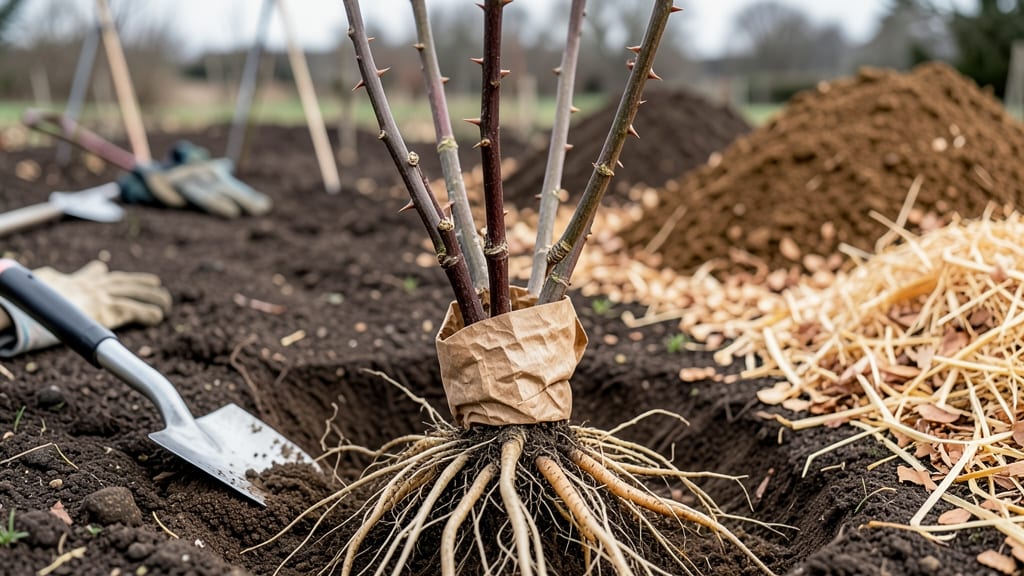
Planting bare root roses in Zone 9 isn’t just about grabbing a shovel—it’s about timing your move to beat the heat and frost-free challenges. With 365 frost-free days and summer temperatures that can stress young plants, late winter emerges as the sweet spot for success.
Most gardeners in Zone 9 rush to plant too early, only to watch their roses wilt under March’s scorching sun or struggle to establish roots before summer’s intensity.
The key is planting between November and February, when cooler temps and consistent moisture give your 🌹 roses the best shot at thriving. This window lets you avoid both frost damage and transplant shock.
But here’s the secret: it’s not just about the calendar—it’s about soil temperature. Aim for 50–60°F soil to encourage root growth without inviting fungal issues.
I’ll walk you through how to prep your soil, choose the right varieties for Zone 9’s climate, and keep your roses happy through their first critical months.
Ready to transform your garden? Let’s dive into the exact steps to plant your bare root roses at the perfect moment—so you can enjoy a blooming masterpiece come spring.
Optimal planting windows for bare root roses in Zone 9 (with frost risk timeline)
In Zone 9, where frost is rare but summer heat is relentless, the perfect planting window for bare root roses spans November through February. This 4-month window balances cool soil temperatures with minimal heat stress, giving roots time to establish before summer's intensity.
Unlike colder zones, Zone 9 gardeners don’t need to worry about frost damage, but soil temperature becomes the critical factor.
Ideal soil temps for planting range between 50–60°F. Below this, roots grow sluggishly; above it, the plant may experience transplant shock from sudden heat exposure. December and January often offer the sweet spot—cool enough for root development but warm enough to avoid dormancy issues.
Coastal areas may extend this window slightly later due to milder microclimates.
Key microclimate considerations: Inland Zone 9 regions (like Phoenix or Sacramento) should aim for November–early December, while coastal zones (like San Diego or Santa Barbara) can plant as late as January–February. Always check your local last frost date—even Zone 9 can see unexpected chills in winter.
Here’s how to align your planting with Zone 9’s unique conditions:
| Month | Soil Temp Range | Best Planting Time | Notes |
|---|---|---|---|
| November | 55–65°F | Early–mid month | Soil cools; minimal heat stress |
| December | 50–60°F | Entire month | Optimal for root growth |
| January | 52–62°F | Early–mid month | Coastal zones only; inland may be too warm |
| February | 55–65°F | Early month only | Risk of heat stress increases |
Avoid planting in March or April—this is when Zone 9’s afternoon heat ramps up, and bare root roses haven’t had time to establish deep roots. The 2-week window before bud swell (when buds begin to plump) is your last safe chance.
Use a soil thermometer to confirm temps are ideal before digging.
Pro tip: Soak bare root canes for 2–4 hours before planting to rehydrate them. This is especially critical in Zone 9’s dry winters, where soil can dry out faster than you’d expect. Pair this with a deep watering immediately after planting to encourage root spread.
For coastal gardeners, the January–February window works well because ocean breezes moderate temperatures. Inland gardeners should plant by mid-December to avoid the March heat spike, which can cause wilting within days of transplanting.
Always prioritize root establishment over early blooms—patience here pays off with healthier, more resilient roses.
If you miss the ideal window, don’t despair. Early March plantings can still work if you provide shade cloth for the first 2–3 weeks and monitor soil moisture closely. Just be prepared for slower initial growth compared to winter-planted roses.
🌹
How to time your planting for maximum root establishment before summer heat
In Zone 9, summer heat arrives fast—bare root roses need 6-8 weeks to establish roots before temperatures consistently hit 85°F+. My trick? Plant when soil temps hover around 50–60°F and days are cool but frost-free.
This usually means late January through early March, but check your local last frost date (even Zone 9 can get surprise chills!).
Start by calculating your frost-free window. Use the USDA Plant Hardiness Zone Map for Zone 9’s 30–40°F thresholds, then add 4–6 weeks before your average last frost.
For example, if frost typically ends by February 15, aim to plant by January 15 to give roots time to anchor before heat stress kicks in.
Here’s my 3-step timing