
Plants
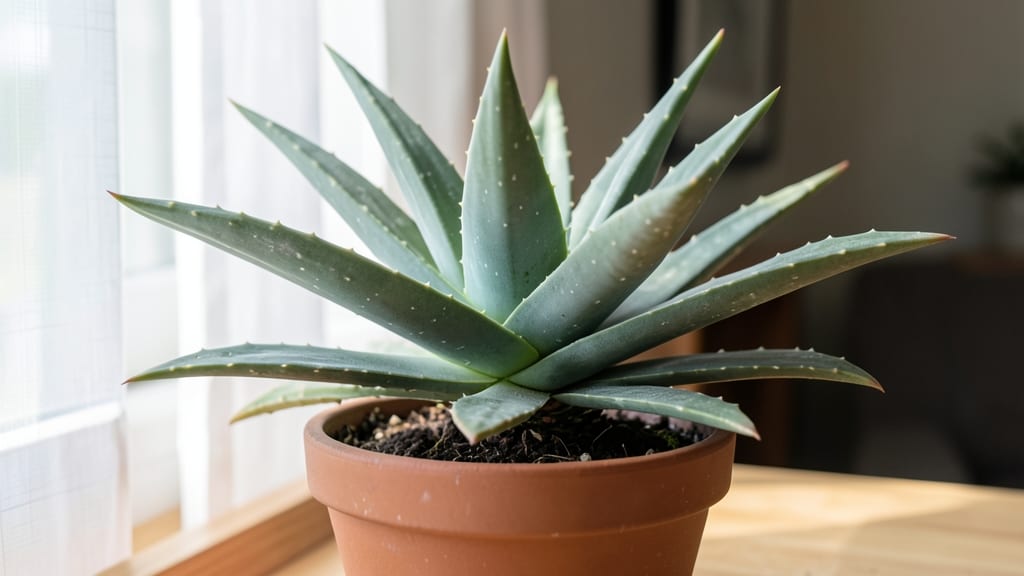
If your 🌵 aloe plant is stretching toward the window like it’s searching for a hug, you’re not giving it the light it needs—and that’s the fastest way to turn a thriving succulent into a sad, leggy shadow of its former self.
The truth is, aloe plants are sun worshippers, craving 6 hours of bright light daily to stay plump, vibrant, and healthy. Too little light, and they’ll grow weak; too much, and they’ll crisp up like overcooked bacon.
But here’s the good news: with the right balance, you can keep your aloe plant happy whether it’s basking in your backyard or perched on a sunny windowsill.
I’ll break down exactly how much light your aloe needs—whether you’re dealing with a dim apartment, harsh afternoon sun, or everything in between—and show you how to spot the warning signs before they become problems.
Ready to give your aloe the perfect light recipe? Let’s dive in and turn that stretchy, sad plant into a proud, sun-soaked beauty.

Optimal sunlight requirements for aloe vera: 6 hours of bright indirect light daily
Aloe vera thrives with 6 to 8 hours of bright, indirect sunlight daily. This succulent loves light but can develop sunburn if exposed to harsh afternoon rays. Think of it like a sunbather—it needs plenty of light but not the full intensity of midday sun.
In nature, aloe grows in arid climates where sunlight is plentiful but not scorching. Mimic these conditions to keep your plant happy and healthy.
For outdoor aloe plants, place them in a spot with morning sun and afternoon shade. A south-facing window is ideal for indoor plants, as it provides the most consistent light. If your aloe starts stretching toward the light or developing pale, yellowish leaves, it’s craving more brightness.
On the flip side, crispy brown edges or white patches mean it’s getting too much direct sun.
Here’s how to balance it: 3-4 hours of direct sun in the morning followed by filtered light for the rest of the day works perfectly. This approach prevents both light deficiency and sunburn, ensuring your aloe stays lush and vibrant.
Seasonal changes also play a role—aloe can handle more direct light in cooler months but may need extra protection during peak summer heat.
🌵
If your aloe is placed indoors, rotate it every 2-3 weeks to ensure even growth. Plants naturally lean toward light sources, which can cause uneven development. A simple quarter-turn keeps your aloe compact and symmetrical.
For outdoor plants, avoid placing them in reflective surfaces like concrete or glass, which can intensify sunlight and lead to burns.
In winter months, aloe can tolerate slightly less light, but don’t let it sit in complete darkness. A grow light for 4-6 hours a day can supplement natural light shortages.
LED grow lights are energy-efficient and mimic sunlight perfectly. Position the light 6-12 inches above the plant and adjust the timer to match your aloe’s needs.
Watch for these visual cues to gauge your aloe’s light satisfaction: deep green leaves mean it’s thriving, while yellowing or red-tipped leaves signal stress. Adjust the light exposure gradually—sudden changes can shock the plant. Patience and observation are key to finding the perfect balance for your aloe’s sunlight needs.
☀️
How to adjust light for aloe plants in different environments
Aloe plants are famously adaptable, but their light needs can shift dramatically depending on whether you're growing them indoors or outdoors. In low-light homes, they might stretch toward windows, while outdoor plants in scorching climates can develop sunburn without proper shade.
Let’s break down how to fine-tune their light exposure for peak health.
For indoor aloe plants, a south-facing window is ideal, offering 6+ hours of bright indirect light. If your home lacks natural sunlight, supplement with a grow light (LED or fluorescent) placed 6–12 inches above the plant for 12–14 hours daily.
East or west windows work too, but rotate your plant weekly to prevent uneven growth.
🌱 Light Adjustment Tips for Aloe Plants
- Low-light homes: Use reflective surfaces (mirrors, white walls) to bounce light onto the plant.
- Bright windows: Filter harsh afternoon sun with sheer curtains to prevent leaf scorch.
- Outdoor heat: Provide afternoon shade (3–6 PM) during summer months to avoid sunburn.
- Winter months: Move plants closer to windows or extend grow light hours to compensate for shorter days.
- Rotation: Turn the pot quarter-turn weekly to ensure even light exposure and upright growth.
Outdoor aloe plants thrive in full sun (6+ hours daily), but their tolerance varies by climate. In hot, dry regions, they may need afternoon shade to prevent leaf tips from turning brown.
Conversely, in cooler climates, they can handle direct sun year-round. Always use well-draining soil to prevent root rot from overwatering in bright conditions.
If your aloe starts showing signs of light stress—like pale, stretched leaves or crispy edges—adjust its placement immediately. For example, a leggy aloe in a north-facing window needs more light, while a sunburned aloe outdoors needs temporary shade. Monitor and adapt!
Pro tip: Test your space first! Place the plant near its intended spot for a week to observe how it reacts. Aloe plants are forgiving, but gradual adjustments help them acclimate without shock.
With the right light, your aloe will reward you with thick, vibrant leaves and maybe even a rare flower spike!
Remember, aloe plants are drought-tolerant, but their light needs are non-negotiable. Balance is key—whether you’re battling dim apartments or intense summer sun. Tweak as needed, and your aloe will thrive for years to come. 🌿