
How To
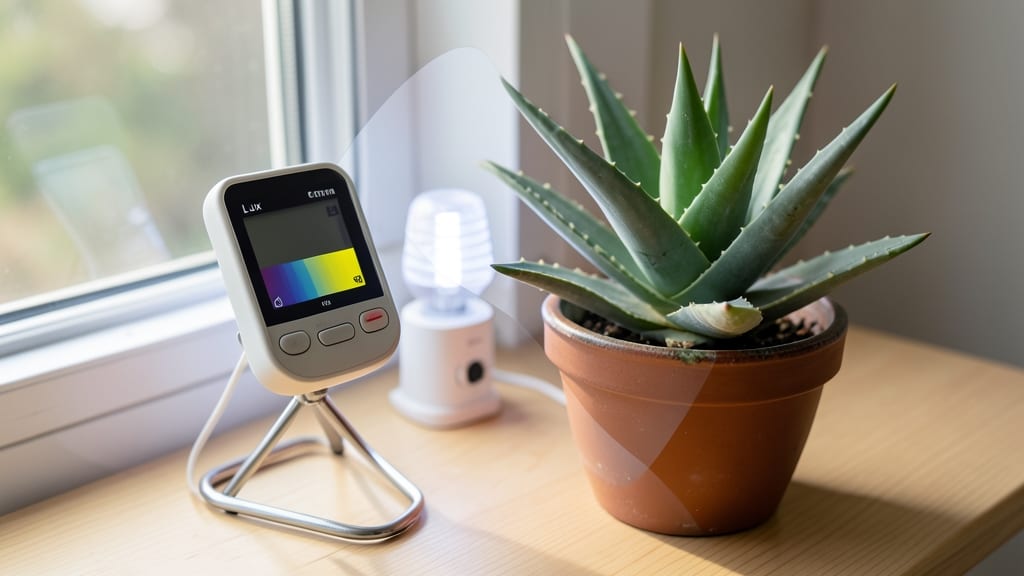
If your aloe plant 🌱 looks sad—yellowing, stretching, or crispy at the edges—it’s probably begging for how much light does an aloe plant need. The truth is, aloe thrives with bright light, but too much can scorch its leaves, while too little leaves it weak and leggy.
Finding that sweet spot is easier than you think, and I’ll show you exactly how to give your plant the perfect glow for lush, healthy growth.
You might assume aloe needs scorching desert sun, but the reality is more nuanced. In USDA Zone 6a, where many gardeners grow aloe, it actually prefers 6+ hours of bright, indirect light daily—think morning sun or a south-facing window.
Outdoor plants can handle direct afternoon rays, but indoor aloe often struggles without the right setup. The key is observing your plant’s signals and adjusting before damage sets in.
Whether you’re dealing with a wilting aloe in a dim corner or a sunburnt one near a glass door, this guide breaks down the exact light conditions your plant craves.
I’ll cover how to spot over- or under-exposure, the best indoor lighting hacks, and even how to transition your aloe between seasons without stress. Let’s get your plant back to its happy, vibrant self—no guesswork required.
By the end, you’ll know exactly where to place your aloe for optimal growth, whether it’s basking in spring sunshine or thriving under grow lights. No more second-guessing—just a thriving plant that rewards you with those prized gel-filled leaves. Ready to unlock the secret? Let’s dive in.

Ideal sunlight requirements for aloe vera growth by stage
Aloe vera plants thrive under bright, indirect sunlight but can handle direct sun in moderation. The key is understanding how much light your aloe needs at each growth stage—from seedlings to mature plants.
Too little light causes stretched, weak growth, while too much can burn delicate leaves. Let’s break it down by stage so you can give your aloe the perfect light balance.
For seedlings and young aloe plants (under 1 year old), start with 4-6 hours of bright, indirect light daily. This helps them establish strong roots without risking sunburn. Place them near an east-facing window or under a sheer curtain if growing indoors.
In outdoor settings, use partial shade during peak afternoon sun (12 PM–4 PM) to protect tender leaves.
Mature aloe plants (1–3 years old) can handle 6–8 hours of direct sunlight daily, especially in cooler climates like USDA Zones 6–8. In hotter zones (Zones 9–11), provide morning sun and afternoon shade to prevent leaf scorch. If your aloe is flowering, it may need even more light—up to 10 hours—to support those energy-demanding blooms.
🌱
Seasonal adjustments are crucial. In summer, aloe plants in hot climates (Zones 9–11) may need afternoon shade to prevent leaf burn. Move pots to a shaded patio or use a light fabric shade cloth (30–50% coverage).
Conversely, in winter, aloe plants can tolerate more direct light since days are shorter and sunlight is less intense.
If you’re growing aloe indoors, a south-facing window is ideal, but avoid placing it in direct midday sun during peak summer months. Rotate your pot quarter-turns every 2 weeks to ensure even growth and prevent the plant from leaning toward the light source.
Outdoor aloe plants should be hardened off gradually if transitioning from indoor to outdoor light. Start with 1–2 hours of morning sun and gradually increase exposure over 1–2 weeks to avoid shocking the plant.
This is especially important for container-grown aloe, which may have been shielded from harsh light indoors.
For flowering aloe plants, prioritize full sun exposure (8+ hours) to encourage blooms. However, if your aloe isn’t flowering, don’t stress—many varieties focus on leaf production first. Focus on consistent light exposure and proper watering habits (deep but infrequent soaks) to keep your plant healthy.
🌿
Signs your aloe plant has too much or too little light
Aloe plants are tough, but even they show clear signs when their light exposure is off. Watch for these visual cues to diagnose light stress quickly. Yellowing leaves or brown tips often mean your plant is struggling to find the right balance.
If your aloe’s leaves turn yellow or pale green, it’s likely getting too little light. This causes the plant to stretch unnaturally toward any available light, a condition called etiolation. The leaves may also become thin and leggy, losing their signature thick, fleshy texture.
Too much direct sunlight causes brown or crispy tips and even sunburned patches on leaves. In extreme cases, you might see white or grayish spots where the sun’s rays have damaged the plant’s cells. These signs appear most often in hot, southern climates where UV exposure is intense.
Too Little Light: Stretched, pale leaves
Too Much Light: Brown tips, crispy patches
Solution: Move plant gradually to avoid shock
For indoor aloe plants, check the placement near windows. If leaves lean toward the light source, it’s a clear sign they need more balanced exposure. Rotate the pot quarter-turns weekly to encourage even growth and prevent lopsided development.
In outdoor settings, afternoon sun can be too harsh. If your aloe is in a hot climate, provide afternoon shade during peak sunlight hours (11 AM–3 PM). Use a sheer curtain or place it under a light tree to diffuse the intensity.
Remember, aloe plants are drought-tolerant but not heat-tolerant in excess. The key is finding that sweet spot where they get plenty of light without burning. Start with morning sun and observe how your plant responds over a few weeks.
Adjust gradually—aloe plants can’t handle sudden light changes. If you notice stress signs, move the plant step by step to its new light conditions over 7–10 days to avoid shocking the roots.