
Plants
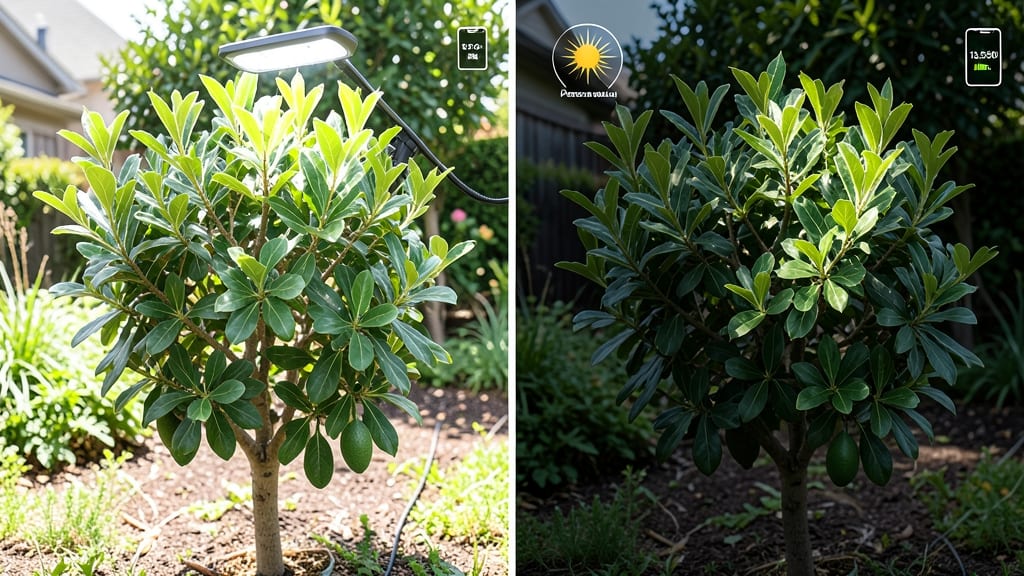
Ideal light requirements for avocado plants: bright indirect sunlight explained
Avocado plants (Persea americana) are tropical trees that crave bright, indirect sunlight—but here's the catch: too much direct sun can scorch their delicate leaves.
As someone who's nursed multiple avocado seedlings from pits, I've learned that 6-8 hours of filtered sunlight daily is the sweet spot for healthy growth.
Young avocado seedlings need gentler light conditions—think 4-6 hours of morning sun with afternoon shade. This protects their tender leaves while encouraging steady growth. Mature trees, on the other hand, can handle up to 10 hours of sunlight but still prefer partial shade during peak afternoon heat.
🌱Why indirect light? Avocado leaves contain photosynthetic pigments that burn easily under intense UV rays. In their native tropical habitats, they grow under dappled canopy light, not harsh midday sun.
| Growth Stage | Light Requirements | Daily Duration | Best Conditions |
|---|---|---|---|
| Seedling (0-2 years) | Bright indirect light | 4-6 hours | East-facing window or sheer curtain filter |
| Juvenile (2-5 years) | Morning sun + afternoon shade | 6-8 hours | South/west window with lacy curtains |
| Mature Tree (5+ years) | Full sun with afternoon shade | 8-10 hours | Outdoor partial shade (50% coverage) |
| Fruiting Stage | Consistent bright light | 6-8 hours minimum | South-facing outdoor location or grow lights |
For container-grown avocados, rotate your plant quarter-turn weekly to ensure even light exposure. I noticed my 3-year-old tree developed lopsided growth until I started rotating it—now it's bushier and healthier!
💡Pro tip: If your avocado is indoors, place it near a south-facing window where it gets unfiltered morning sunlight (8 AM-12 PM) and diffused afternoon light. Avoid north-facing windows—they provide too little light for long-term growth.
Avocados native to Mexico and Central America evolved under tropical forest canopies, where sunlight filters through leaves. Recreating this environment means using sheer curtains or shade cloths during summer afternoons when UV intensity peaks.
🌿Key light quality factors: Avocados need high light intensity but low UV exposure. A simple test: if you can read a book comfortably near your plant, it's getting too little light. If leaves feel hot to touch, it's getting too much direct sun.
In my Zone 9b garden, I've found that dappled shade from a pergola creates the perfect microclimate. The tree gets full morning sun but gentle shade from 12 PM onward, resulting in lush foliage and occasional fruit.
📌Remember: Avocado trees won't fruit without adequate light. If you're growing indoors, supplement with grow lights 12-14 hours daily during winter months when natural light is scarce.
Signs your avocado plant isn’t getting enough (or too much) light
Avocado plants are finicky about light—too little and they’ll stretch toward the sky like a desperate sunbather, while too much can scorch their leaves faster than a summer afternoon. Learning to read your plant’s light stress signals is key to keeping it healthy.
Start by checking the leaf color and growth pattern, as these often reveal the first clues.
If your avocado plant’s leaves are turning yellow or pale green, it’s likely starving for light. This happens when the plant can’t produce enough chlorophyll to sustain itself, causing the older leaves to fade first.
Meanwhile, stunted growth or elongated stems (a condition called etiolation) are classic signs your plant is reaching for sunlight like a vampire craving moonlight.
On the flip side, brown or crispy leaf edges and sunburnt patches mean your plant is getting too much direct sun, especially during peak afternoon hours. Avocados native to tropical climates can handle bright, indirect light but struggle with harsh, unfiltered rays.
Think of it like giving your plant a sunburn—it’s not a good look.
Another red flag is fruit drop—if your avocado tree is producing fruit but suddenly shedding it, insufficient light is often the culprit.
Without enough energy from sunlight, the plant can’t support fruit development, leading to premature loss. Leaf drop in general is also a warning sign, especially if it’s happening suddenly or in large quantities.
For indoor growers, window placement is everything. If your avocado is near a north-facing window, it’s likely getting too little light, while a south-facing window can deliver just the right balance of bright indirect sunlight.
In both cases, rotating your plant quarter-turns every few days ensures even growth and prevents lopsided development.
Pro tip: Use a light meter or even your phone’s camera to gauge light intensity. If your phone’s flash struggles to light up the room near your plant, it’s probably not getting enough light.
Conversely, if leaves look bleached or translucent, they’re getting too much direct sun—time to move it back a few feet.
Remember, avocado plants are tropical creatures at heart. They thrive in bright, filtered light similar to their native understory habitats. Mimic those conditions, and your plant will reward you with lush growth and—eventually—juicy avocados to enjoy. 🥑