
Plants
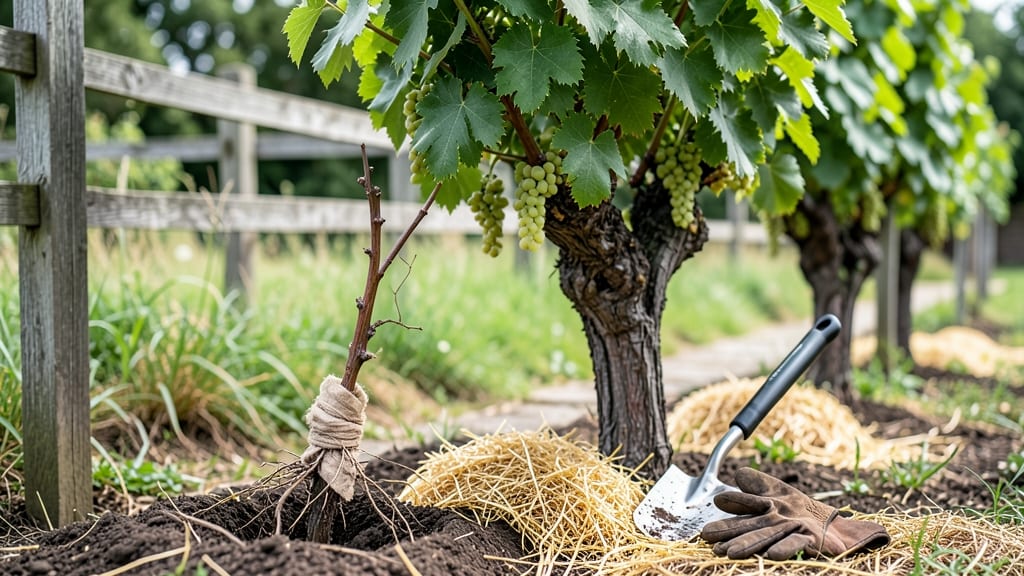
Knowing when to plant grapes in Georgia can mean the difference between a thriving 🍇 vineyard and a lost investment—especially with Georgia’s unpredictable frost patterns and humid summers.
If you’ve ever wondered why some grapevines flourish while others struggle, the answer often lies in timing. Planting too early risks frost damage, while waiting too long may stunt root growth before winter.
Georgia’s USDA Zones 7b-8b offer two prime windows: late winter to early spring or fall, but the best choice depends on your region’s microclimate.
I’ll break down the science behind Georgia’s ideal planting months, soil prep secrets to boost root strength, and how to avoid common pitfalls like waterlogged soil or late-season pests. Whether you’re planting bare-root vines or container grapes, these tips will help you start strong.
Ready to turn your grape-growing dreams into reality? Let’s dive into the exact steps to plant at the perfect time for your Georgia garden.
Georgia’s best grapes planting months by USDA zone
Georgia’s USDA Zones 7a-8b offer ideal conditions for growing grapes, but the perfect planting window depends on your region. The Coastal Plain (Zone 8a-8b) has milder winters, while the Piedmont (Zone 7a-7b) faces earlier frost risks.
Planting at the right time ensures your vines establish strong roots before winter or summer heat stress.
For most of Georgia, the best planting months are late winter to early spring (February-March) or fall (September-October).
Spring planting gives vines time to root before summer, while fall planting allows roots to establish before winter dormancy. Muscadine grapes, native to Georgia, thrive in these conditions with minimal care.
Here’s how to align your planting with Georgia’s USDA zones and frost dates to maximize success:
| USDA Zone | Region | Last Frost Date | Best Planting Window | Soil Temp Threshold | Recommended Varieties |
|---|---|---|---|---|---|
| 7a-7b | Piedmont (Athens, Macon) | Mid-March | February-March or September-October | 50°F (10°C) minimum | Muscadine, Norton, Cabernet Sauvignon |
| 8a-8b | Coastal Plain (Savannah, Brunswick) | Late February | January-February or October-November | 55°F (13°C) minimum | Scuppernong, Catawba, Chardonnay |
🌱 Pro Tip: Test soil temperature with a thermometer—roots won’t grow below 50°F (10°C).
If you’re planting in spring (February-March), choose bare-root vines for easier establishment. For fall planting (September-October), opt for potted vines to avoid transplant shock before winter. Both methods work, but timing is critical—plant too late in fall, and your vines may not root before frost.
Georgia’s Muscadine grapes are particularly forgiving and adapt well to local conditions. These native varieties handle humidity better than Vitis vinifera (wine grapes), making them a great choice for beginners. If you’re growing wine grapes, prioritize spring planting to avoid heat stress during fruit development.
For container growing, plant in late winter (January-February) to give vines time to establish roots before summer. Use large pots (at least 15-gallon capacity) with drainage holes, and place them in full sun. Container grapes need consistent watering and may require staking for support.
One common mistake in Georgia is planting too early in fall (November) when soil temperatures drop below 50°F (10°C). This stunts root growth and weakens vines before winter. Always check local frost dates from the University of Georgia Extension to adjust your timeline.
After planting, mulch around the base of your vines with 2-3 inches of organic mulch (like pine straw or wood chips) to retain moisture and regulate soil temperature. This is especially important in Georgia’s hot summers and humid climate, where moisture loss is rapid.
Remember, patience is key—grapes can take 2-3 years to bear fruit, but proper planting timing ensures a healthy, productive vine. Whether you’re growing for fresh eating, jams, or wine, timing your plant correctly in Georgia’s climate sets the foundation for success.
How to prepare Georgia soil and site for grapes before planting
Georgia’s clay-heavy soils and humid summers can challenge grape vines if not prepared properly. The key to success lies in amending soil texture, ensuring proper drainage, and selecting the sunniest spot in your yard.
Without these steps, your vines may suffer from root rot or poor fruit production—common issues in Georgia’s USDA Zones 7b-8b. Let’s break down the essential prep work to give your grapes the best start possible.
Start by testing your soil’s pH level, which should ideally fall between 5.5 and 6.5 for grapes. Georgia’s native soils often lean toward acidic or alkaline, so you may need to add lime (to raise pH) or sulfur (to lower it).
A simple home soil test kit or lab analysis will give you precise results. Once you know your soil’s pH, you can adjust it 2-3 months before planting to allow time for amendments to integrate fully.
Drainage is non-negotiable for grapes, especially in Georgia’s heavy rainfall zones. If your soil feels compacted or stays soggy after rain, mix in 3-4 inches of compost or sand to improve aeration. For container growing, use a well-draining potting mix with perlite or vermiculite. Raised beds are another excellent option for Georgia gardeners, as they prevent waterlogging and make soil warmer earlier in spring.
Key Takeaways for Georgia Grape Planting
Choose a planting site with full sun exposure—at least 6-8 hours of direct sunlight daily. In Georgia, a south-facing slope is ideal because it warms up faster in spring and provides consistent sunlight.
Avoid areas prone to frost pockets or standing water, as these can stunt vine growth or invite disease. If you’re growing grapes in containers, place them in a location where they’ll receive unobstructed sunlight year-round.
Before planting, loosen the soil to a depth of 12–18 inches to encourage root penetration. Mix in well-rotted compost or aged manure to enrich the soil with nutrients. For Muscadine grapes, which thrive in Georgia’s heat, add a layer of pine bark fines to improve drainage.
Once your soil is prepped, create a mound or trench for the vine, ensuring the roots are covered but the graft union (if present) remains above soil level.
Finally, consider installing a trellis or arbor to support your grapevines as they grow. Georgia’s humid climate can make vines heavy with fruit, so a sturdy structure prevents broken canes and improves air circulation.
Space trellises 8–10 feet apart to allow for proper vine training and maintenance. With these preparations, your Georgia grapevines will have the perfect foundation for strong root growth and bountiful harvests.
🌿