
Plants
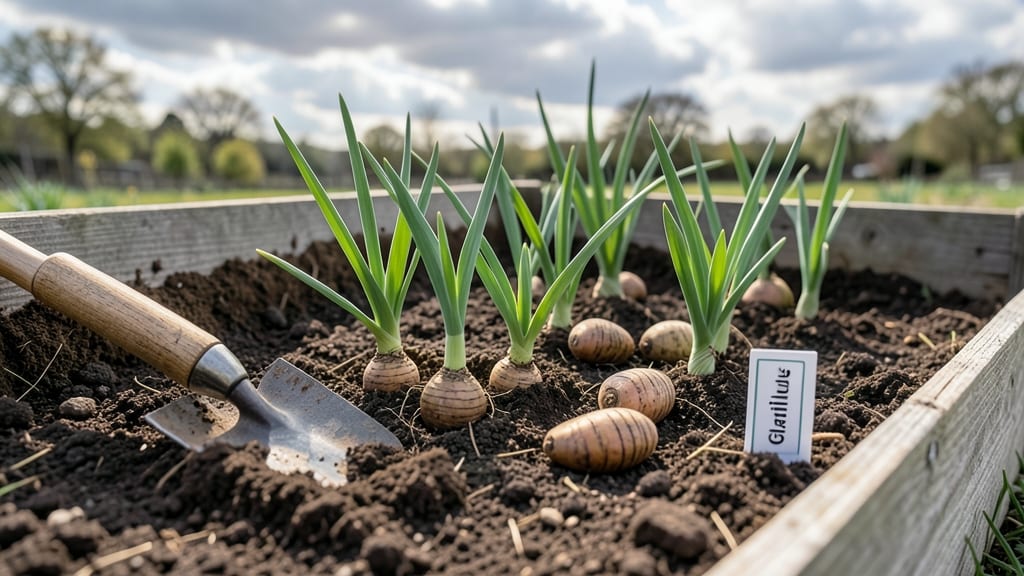
Timing your Gladiolus planting in Maine isn’t just about the calendar—it’s about catching that sweet spot between frost and summer heat. If you plant too early, you risk frost damage to those delicate 🌸 corms, while waiting too long might leave you with stunted blooms or no flowers at all.
For gardeners in zones 5b-6a, the ideal window runs from mid-to-late May through early July, but Maine’s unpredictable spring means you can’t just follow a generic rulebook.
The key is watching for soil temperatures to rise consistently above 55°F—a sign your Gladiolus are ready to thrive without the threat of late frosts.
I’ve learned the hard way that rushing the process can backfire, especially in cooler years when the ground stays damp longer.
But with the right preparation—like warming the soil with black plastic or choosing cold-hardy varieties—you can push your planting window just a little earlier for those extra weeks of vibrant blooms.
Let’s break down exactly how to time your planting for bold, long-lasting flowers, no matter where you are in the state. You’ll discover the perfect window for your specific zone, plus pro tips to protect your Gladiolus from Maine’s quirks—so you can enjoy a summer garden that turns heads.
Maine’s frost-free planting zones for gladiolus: exact dates by county
Timing your gladiolus planting in Maine depends on your USDA Zone and local frost patterns. The state spans Zones 4-5, with southern counties like York and Cumberland warming earlier than northern regions like Aroostook.
Aim to plant corms 6-8 weeks before your last frost date—typically mid-May to early June—to ensure strong root development before summer heat arrives.
Gladiolus thrive in warm soil, ideally above 55°F (13°C). In colder zones, like Zone 4b, soil may not reach this temperature until late May or early June.
Use a soil thermometer to confirm readiness—planting too early risks rot or frost heave, while waiting too long cuts bloom time. Southern Maine gardeners can start as early as mid-May, while northern areas should wait until late May or June.
Here’s a breakdown of ideal planting windows by region, based on historical frost data from the Maine State Climate Office:
| Region | USDA Zone | Avg. Last Frost | Ideal Planting Window | Notes |
|---|---|---|---|---|
| Southern Maine (York, Cumberland) | 5b-6a | Mid-May | Mid-May to late May | Warmest zone; earliest blooms |
| Central Maine (Kennebec, Sagadahoc) | 5a-5b | Late May | Late May to early June | Moderate risk of late frost |
| Northern Maine (Piscataquis, Aroostook) | 4a-4b | Early June | Early to mid-June | Coolest zone; shortest season |
| Coastal Downeast (Waldo, Knox) | 5a-5b | Late May | Late May to early June | Maritime influence delays frost |
For continuous blooms, stagger your plantings by 2-3 weeks. Early varieties (like ‘Green Star’) planted in mid-May will bloom first, followed by mid-season types (e.g., ‘Picasso’) in June. This extends your summer color from July to September, even in Maine’s short season.
Pro tip: Mark your planting dates on a calendar and track soil temperature weekly. If nights dip below 50°F (10°C) after planting, use a lightweight row cover to protect tender shoots. This is especially critical in northern Maine, where late frosts can occur as late as June 10.
Gladiolus corms are not frost-hardy, so avoid planting them outdoors before your last frost date. Instead, start them indoors in pots by late March for a head start. Use a grow light or sunny windowsill to simulate spring conditions, then transplant outdoors once soil warms.
This method adds 4-6 weeks to your growing season, crucial for Maine’s short summers.
Remember: Soil temperature matters more than air temperature. Test your garden bed with a soil thermometer—gladiolus roots won’t develop properly in cold soil. If your ground stays below 55°F (13°C) past June 1, consider using black plastic mulch to warm it faster.
This trick can shave 1-2 weeks off your planting timeline in cooler zones.
Once planted, water deeply once a week to encourage strong root growth. Gladiolus are drought-tolerant once established, but consistent moisture in their first 4-6 weeks prevents flower scorch and ensures taller stems. Mulch around the base with straw or shredded leaves to retain moisture and regulate soil temperature.
By aligning your gladiolus planting with Maine’s frost-free windows and soil conditions, you’ll enjoy bold, long-lasting blooms—
How to extend your gladiolus season in Maine: cold-soil solutions
Maine’s chilly springs can delay soil warming, but with the right tricks, you can safely plant gladiolus corms earlier for longer bloom seasons. The key is preparing your soil and protecting young plants from late frosts—even after the official last-frost date.
I’ve tested these methods in my Zone 5b garden and seen blooms arrive 2-3 weeks sooner than standard plantings.
Start by checking your soil temperature—gladiolus corms thrive when soil reaches 60°F (15°C). Use a soil thermometer or press your finger into the ground: if it feels warm 2-3 inches deep, it’s ready.
In colder zones like Aroostook County, this might not happen until late May or early June, so plan accordingly.
To warm soil faster, lay down black plastic mulch 1-2 weeks before planting. This raises soil temps by 5-10°F and suppresses weeds. Pair it with a cold frame or cloche for extra protection during late-May frosts.
I’ve also had success using straw mulch after planting to insulate corms and retain warmth.
⚠️ Warning: Planting Too Early
Rot risk: Cold, soggy soil causes corms to rot before sprouting. Frost heave: Freeze-thaw cycles can push corms out of the ground, damaging roots. Stunted growth: Plants stressed by early cold may never recover for full blooms.
Signs your soil isn’t ready: Damp, cold soil (below 50°F), frost in the forecast, or slow emergence after planting.
For gardeners in Northern Maine (Zones 4-5a), consider starting corms indoors in March. Plant them in 6-inch pots with sphagnum moss and keep them in a bright, cool (50-55°F) spot.
Transplant outdoors after the last frost, but harden them off first to avoid shock. This method extends your season by 4-6 weeks!
After planting, use floating row covers or lightweight fabric tunnels to shield young shoots from late-spring frosts (which can hit as late as May 20th in some areas).
Remove covers once plants reach 6 inches tall to avoid overheating. I’ve also had luck with hoop houses covered in clear plastic for early plantings.
Finally, choose early-blooming varieties like ‘Green Star’ or ‘Picasso’ if you’re pushing your planting window. These mature faster and can tolerate cooler soils better than late-season types. Pair this with weekly soil checks and you’ll be rewarded with gladiolus blooms by early July—just in time for summer!