
Plants
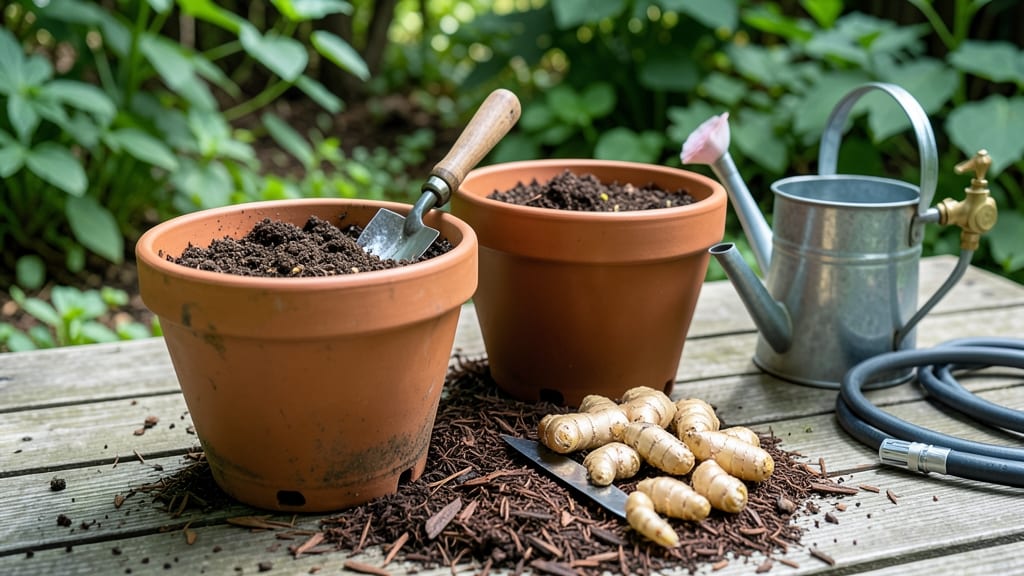
If you're dreaming of a bountiful ginger harvest in Zone 9, timing your planting is the secret weapon you can't afford to miss.
Unlike cooler climates, Zone 9's warm embrace means ginger rhizomes need just the right moment to thrive—plant too early, and you risk heat stress; too late, and your crop may never reach its full potential.
Ginger 🌿 isn't just a spice—it's a tropical plant that craves warmth but hates scorching sun during its early growth stages. The ideal window in Zone 9 falls between late spring and early summer, when soil temperatures hit that sweet spot of 70-80°F.
This is when your rhizomes will finally feel at home, ready to send out those signature green shoots.
But here's the kicker: Zone 9's microclimates can vary wildly between coastal areas and inland zones. Coastal gardeners might plant a little earlier, while inland growers should wait until the heat settles slightly.
I'll show you exactly how to read your local cues—whether it's watching for the first consistent rainfall or monitoring those afternoon temperatures.
Once you master this timing, you'll be on your way to harvesting plump, flavorful ginger rhizomes by fall. Let's dive into the exact steps to give your ginger the perfect start in Zone 9's challenging climate—where too much heat can be just as damaging as too little.
Best planting time for ginger in Zone 9: heat and rain timing secrets
Zone 9’s warm climate makes ginger a rewarding crop—but timing your planting is critical to avoid heat stress or poor rhizome development.
Unlike cooler zones, ginger thrives when soil temperatures hover between 70°F and 85°F, which typically aligns with late spring to early summer in most of Zone 9.
Planting too early risks stunted growth from lingering cool spells, while waiting too late exposes young plants to intense midday sun and drought.
In coastal areas (like Southern California or Florida), where humidity is high and summers are long, aim for March to early April.
Inland regions (e.g., Arizona or Nevada) with hotter, drier summers should target late April to May to align with the onset of monsoon rains, which ginger loves. The key is to plant when daytime highs are consistently above 75°F but before the peak summer heat sets in.
Ginger’s growth cycle in Zone 9 spans roughly 8–10 months, meaning you’ll harvest in fall or early winter. To time this right, start planting 3–4 months before your first expected frost-free period (though Zone 9 rarely sees frost).
For example, if your area’s frost-free date is mid-November, plant in late August—but this is risky due to summer heat. Instead, prioritize spring planting for safer yields.
Another critical factor is rainfall patterns. Ginger needs consistent moisture but hates waterlogged soil. In drought-prone inland Zone 9, schedule planting to coincide with early summer rains (e.g., Arizona’s monsoon season in July).
If relying on irrigation, ensure a drip system is in place before planting to maintain even soil moisture. Overhead watering can damage leaves and spread disease in Zone 9’s humid conditions.
Microclimates matter in Zone 9. Coastal gardeners can plant earlier (February–March) thanks to moderate temperatures and higher humidity, while inland growers should wait until May to avoid heat stress. Even within a city, urban heat islands can push soil temps up faster—monitor your garden’s conditions for 2–3 weeks before planting to gauge readiness.
| Factor | Zone 9 Coastal | Zone 9 Inland |
|---|---|---|
| Optimal Planting Window | March–Early April | Late April–May |
| Soil Temp Trigger | 68°F–72°F | 75°F–80°F |
| Rainfall Dependency | Low (humidity helps) | High (monsoon needed) |
| Heat Risk | Low (cooler nights) | High (intense sun) |
| Harvest Timeline | October–November | November–December |
To fine-tune your planting date, observe your garden’s microclimate cues. For instance, if your area experiences hot, dry winds in spring (common in desert-adjacent Zone 9), delay planting until after the Santa Ana winds (typically by mid-April).
Conversely, if you’re near the coast, watch for marine layer shifts—plant when mornings are foggy but afternoons warm up, signaling stable conditions.
Avoid planting ginger during Zone 9’s peak summer (June–August), when temperatures often exceed 95°F. Young rhizomes can rot from heat stress, and leaves may scorch. Instead, opt for late spring when soil is warm but not scorching.
If you miss this window, consider container growing with shade cloth to protect plants until temperatures drop in fall.
For maximum yield, align your planting with local rainfall peaks. In Southern California, this might mean planting in March to tap into spring showers. In Arizona, wait for the monsoon rains in July—but this is too late for a fall harvest.
Balance timing, heat, and water to ensure your ginger thrives without stress.
Pro tip: Use a soil thermometer to confirm soil temps are above 70°F before planting. Bury it 2 inches deep (ginger’s ideal planting depth) and monitor for 3–5 days to account for daily fluctuations. This small step can double your success rate in Zone 9’s variable climate.
Best planting time for ginger in Zone 9: heat and rain timing secrets
Zone 9's warm climate makes ginger a rewarding crop, but timing your planting is critical to avoid heat stress or poor yields. Unlike cooler zones, ginger in Zone 9 thrives when soil temperatures reach 70-80°F—typically between late April and early June.
This window ensures your rhizomes establish roots before summer's intense heat arrives.
Coastal areas of Zone 9 often experience milder temperatures, allowing for slightly earlier planting in March or early April. Inland regions should wait until mid-May to avoid the scorching afternoon sun that can fry young shoots. Pay attention to local weather patterns—ginger loves consistent moisture but hates waterlogged soil.
Here’s the key: Plant when your area receives regular rainfall (at least 1 inch per week) or when you can commit to deep watering every 5-7 days. The goal is to keep soil evenly moist during the first 30-45 days of growth when roots are establishing.
| Zone 9 Microclimate | Best Planting Window | Soil Temp Goal | Rainfall Needs |
|---|---|---|---|
| Coastal (e.g., LA, San Diego) | Late March - Early April | 70-75°F | 1-2" weekly |
| Inland (e.g., Phoenix, Riverside) | Mid-May - Early June | 75-80°F | Deep watering every 5-7 days |
| Mountain Foothills | Early April - Late April | 65-72°F | Consistent moisture |
Watch for these three signs your ginger is ready to plant: soil that’s warm to the touch, consistent daytime highs above 75°F, and no frost warnings in the forecast. In Zone 9, frost is rare, but sudden temperature drops can still stress young plants.
Pro tip: If your area experiences dry spells after planting, mulch heavily with straw or wood chips to retain moisture and regulate soil temperature. This mimics ginger’s natural tropical habitat where humidity stays high year-round.
Once planted, your ginger will take 8-10 months to mature, so aim for a fall harvest (October-December). The key to success? Planting when the heat is manageable but the growing season is still long enough for full development.
With the right timing, you’ll be feasting on homegrown ginger by winter! 🌱