
Plants
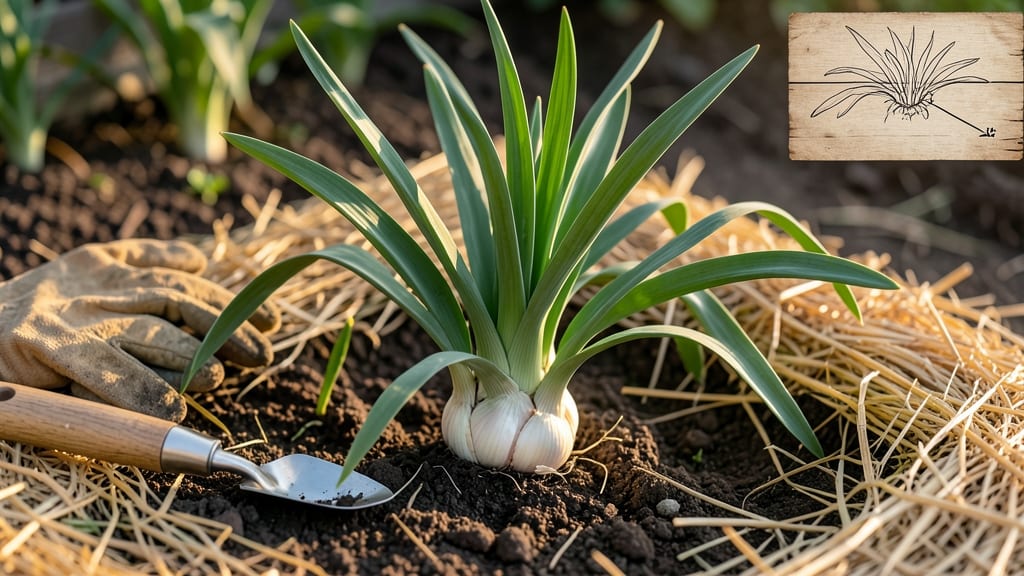
Planting garlic at the wrong time in West Virginia’s 6a zone can turn your hard work into disappointment—small, weak bulbs instead of the plump, flavorful harvest you crave. The secret to success? Timing it right, when the soil cools but before the ground freezes solid.
I’ve grown garlic in West Virginia for years, and the difference between a perfect October planting and a late-November mistake is night and day. Too early, and your cloves rot in soggy soil; too late, and frost stunts growth.
Let me show you exactly how to nail those ideal fall windows—plus soil prep tricks that work even in our rocky, clay-heavy earth.
You’ll learn how to read your microclimate (those mountain valleys vs. flatland differences matter!) and adjust for West Virginia’s unpredictable weather. No more guessing—just a clear, step-by-step plan to grow garlic that’ll make your neighbors jealous.
Ready to turn your garden into a garlic powerhouse? Let’s get those cloves in the ground at the perfect moment—before the first hard frost locks them out for good.
West Virginia’s garlic planting zones: hardiness maps and deadlines
West Virginia’s diverse geography—from the Appalachian Mountains to the Eastern Panhandle—creates microclimates that affect garlic planting. Most of the state falls within USDA zones 5b-7a, but even small elevation changes can shift your ideal planting window by weeks.
For example, high-altitude areas like Pocahontas County (zone 5b) need earlier fall planting than Charleston (zone 7a).
Garlic thrives when planted 4-6 weeks before the ground freezes. In WV, this typically means mid-September to early November, but your exact deadline depends on your zone. Mountain regions may need to plant as early as late August, while the Eastern Panhandle can wait until mid-October.
Always check your local last frost date—most WV areas see their first frost between October 15-30.
Here’s how to adjust for your specific zone: In zone 5b (northern WV), aim for September 15-October 1 planting. For zone 6a (central WV), October 1-15 works best.
Gardeners in zone 7a (southern WV) can plant as late as November 1—but don’t wait too long, or your bulbs may struggle to establish before winter.
| USDA Zone | Ideal Planting Window | Last Frost Date | Key Microclimate Notes |
|---|---|---|---|
| 5b (Northern WV) | September 15–October 1 | October 15–20 | High elevation; shorter growing season |
| 6a (Central WV) | October 1–15 | October 20–25 | Moderate elevation; reliable frost dates |
| 7a (Southern/Eastern WV) | October 15–November 1 | November 1–5 | Warmer microclimates; later frost risk |
Spring planting is possible in WV, but it’s riskier due to pest pressure and bolting (premature flowering). If you must plant in spring, do so as early as February in zone 7a or March in zone 5b.
However, fall-planted garlic almost always yields larger, more flavorful bulbs because it establishes roots before winter dormancy.
Pro tip: Use hardneck varieties like ‘Music’ or ‘German White’ for WV’s climate—they handle cold better than softnecks. For the Eastern Panhandle, where winters are milder, softnecks like ‘Silverskin’ can work, but they require earlier planting to avoid summer heat stress.
Always test your soil’s drainage before planting. WV’s heavy clay soils (common in the Monongahela Valley) can cause rot if garlic sits in soggy conditions. Amend with compost or sand to improve aeration.
A soil pH of 6.0–7.0 is ideal for garlic—test your soil in early fall to adjust with lime or sulfur if needed.
One more critical factor: sunlight. Garlic needs full sun (6+ hours daily), but WV’s short growing season means you’ll rely on spring and summer sun for bulb development. Choose a south-facing bed to maximize light exposure, especially in shaded mountain valleys.
Finally, mark your calendar for harvest time, which typically falls between late July and early August in WV. The exact date depends on your planting window—fall-planted garlic in zone 5b may be ready in early July, while zone 7a varieties might wait until August.
Watch for lower leaves turning brown while upper leaves stay green—this is your cue to harvest!
Step-by-step fall planting guide for WV’s short growing season
West Virginia’s cool fall temperatures and shorter growing season make fall planting the best time for garlic. Aim to plant 4-6 weeks before the first frost, typically between mid-September and late October, depending on your USDA zone. This timing ensures garlic establishes roots before winter dormancy.
Start by choosing hardneck varieties (like ‘Music’ or ‘German White’) for WV’s climate—they thrive in cold winters. Softneck varieties (like ‘Artichoke’) can also work but may struggle in colder zones like 5b. Break apart bulbs into individual cloves, ensuring each has a root base attached.
🌱 Step-by-Step Fall Planting Guide
- Soil Prep: Test soil pH (6.0-7.0). Amend with compost or aged manure for drainage.
- Planting Depth: Bury cloves 2 inches deep, pointy end up, 4 inches apart in rows.
- Spacing: Space rows 12 inches apart for airflow. Use mulch (straw) to insulate.
- Watering: Water deeply after planting, then bi-weekly until frost.
- Frost Protection: Add extra mulch in Zone 5b to prevent heaving.
In high-altitude areas (like the Appalachian foothills), plant earlier (late August) to avoid early frosts. For lowland zones (7a), wait until early November. Avoid planting in heavy clay soils—amend with sand or peat moss to prevent rot.
Garlic needs full sun (6+ hours/day), but WV’s short daylight hours in fall won’t limit growth. After planting, mark rows with stakes or flags to avoid disturbing soil in spring. No fertilization is needed until early spring—overfeeding now can encourage leafy growth at the expense of bulbs.
Monitor for late-season pests like garlic moths. Use row covers if needed, but remove them by early spring to allow pollination (critical for hardneck varieties). With the right timing and care, your garlic will overwinter successfully and yield large, flavorful bulbs by July.
Pro tip: Save seed garlic from your best bulbs for next year’s plantings. WV’s humid climate can cause mold or rot, so store cured bulbs in a cool, dry place (like a garage or basement) with good airflow.