
Plants
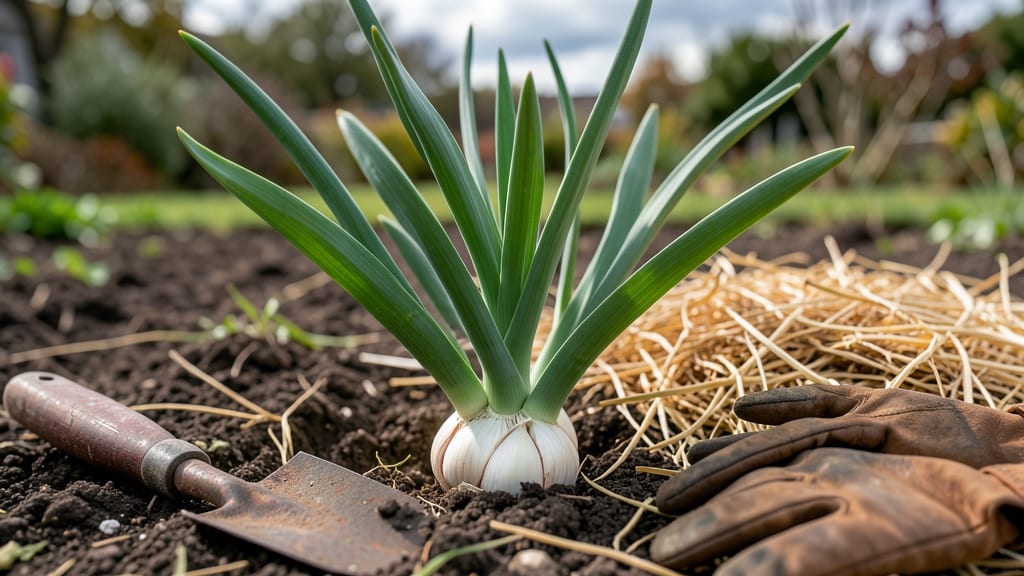
Timing your 🧄 garlic planting in Tucson isn’t just about following a calendar—it’s about outsmarting the desert’s unpredictable swings from 100°F days to sudden cold snaps. Plant too early, and your cloves bolt before they bulb up; too late, and winter’s chill stunts their growth.
The 6-week window between October and November is your sweet spot, but local microclimates like the Catalina Foothills or low desert floors demand extra precision.
Most gardeners in USDA Zone 9b assume "fall planting" means a one-size-fits-all approach, but Tucson’s elevation shifts change everything. At higher elevations, cooler nights arrive earlier, while low desert areas stay warmer longer.
That’s why I’ll break down the exact soil temperature thresholds (60–70°F) and moon phase tips that Tucson growers swear by to maximize bulb size and minimize bolting risks.
You might think garlic is garlic—plant it and forget it—but in Tucson’s climate, variety matters just as much as timing. Hardnecks like ‘German White’ thrive in cooler foothills, while softnecks like ‘California Early’ handle the low desert’s heat better.
I’ll show you how to match your garlic type to your microclimate for a harvest that’s bigger, firmer, and ready by April.
Ready to ditch the guesswork? Let’s dive into the step-by-step timing that’s helped Tucson gardeners go from scrappy backyard plots to award-winning harvests—without losing a single clove to the heat or frost.
Optimal fall planting dates for Tucson garlic to prevent bolting
Tucson’s USDA Zone 9b climate demands precision when planting garlic—aim for October through mid-November to avoid bolting. The key is planting 4-6 weeks before the first frost, which typically hits around December 1.
This timing ensures roots establish before winter dormancy while preventing premature flowering caused by heat stress.
In Tucson, soil temperatures must drop below 70°F for garlic to thrive. Monitor temperatures closely—planting too late (after November 15) risks shallow root growth, while planting too early (before September 30) exposes cloves to summer heat, triggering bolting.
Elevation matters too: Catalina Foothills areas (higher elevation) can plant slightly later than low-desert zones.
Here’s a breakdown of Tucson’s ideal planting window by month, tailored to prevent bolting and ensure robust bulb development:
| Month | Ideal Planting Time | Soil Temp Goal (°F) | Bolting Risk | Action |
|---|---|---|---|---|
| October | Early October (before 15th) | 65-70°F | Low (if soil cools) | Plant cloves 4-6" deep |
| Mid-October | Best window (1st-15th) | 60-65°F | Moderate (watch heat spikes) | Mulch with straw |
| Late October | Last chance (before 31st) | 55-60°F | High (if warm) | Use shade cloth if needed |
| November | Up to mid-November | 50-55°F | Low (cool nights help) | Add compost for winter |
For Tucson’s low desert (e.g., south side of town), aim for early October planting to capitalize on cooler nights. In contrast, higher elevations like the Catalina Foothills can plant as late as mid-November due to cooler temperatures.
Always test soil temperature with a soil thermometer—ideal planting temps hover around 60-65°F.
Pro tip: Use local garlic varieties like ‘German White’ or ‘California Early’, which tolerate Tucson’s heat better than northern varieties. These adapt better to bolting risks and produce larger bulbs in our climate. Pair planting with moisture retention by watering deeply before the first frost to encourage root growth.
If you miss the fall window, spring planting is possible but riskier—garlic planted in February may bolt before bulbs mature. For spring attempts, choose early-maturing varieties and plant in shaded beds to reduce heat stress. However, fall remains the gold standard for Tucson’s garlic growers.
Remember: Tucson’s monsoon season (July-September) can complicate timing. Avoid planting during heavy rains—soil becomes too saturated, delaying root establishment. Clear skies in October provide the perfect dry, cool window for success.
For extra insurance, mulch heavily with straw or leaves after planting. This insulates soil, maintains moisture, and protects cloves from temperature swings that trigger bolting. Aim for a 3-4 inch mulch layer once soil cools.
🌱
Optimal fall planting dates for Tucson garlic to prevent bolting
In Tucson’s USDA Zone 9b, garlic thrives when planted during the 6-week window between mid-October and early November. This timing aligns with soil temperatures dropping to 60–70°F, which signals garlic to start rooting without bolting prematurely.
The key is planting 4–6 weeks before the first frost (typically around December 1), giving cloves enough time to establish roots before winter sets in.
Your elevation matters: Low desert areas (like downtown Tucson) can plant slightly later, while higher elevations (like the Catalina Foothills) should plant closer to October 15. For example, if you’re at 3,000 feet, aim for early October—cooler nights arrive sooner.
Use a soil thermometer to confirm temperatures before planting; garlic won’t sprout until the soil cools below 75°F.
🌱 Pro Tip: Tucson’s monsoon season (July–September) can delay planting. If your soil stays too warm past October, wait for consistent nighttime temps below 80°F before planting. This prevents cloves from rotting in overheated soil.
| Microclimate | Best Planting Window | Soil Temp Threshold | Key Risk |
|---|---|---|---|
| Low Desert (e.g., downtown) | Late October–November 10 | 65–70°F | Bolting from heat stress |
| Mid-Elevation (2,000–3,000 ft) | Mid-October–October 30 | 60–65°F | Frost damage if planted late |
| High Elevation (3,500+ ft) | Early October–mid-October | 55–60°F | Slow root establishment |
Moon phases play a subtle but useful role in Tucson. Planting during the waxing moon (when the moon is growing) encourages root development, while the waning moon (shrinking moon) is ideal for bulb formation.
For example, a waxing gibbous moon in late October is prime for planting—roots grow faster in Tucson’s cooler nights. Check a moon phase calendar to align your planting with these cycles.
If you miss the fall window, December planting is possible but risky. Cloves planted after November 15 may not bulb up before summer heat returns. For a backup, try spring planting in February (a rare but viable option in Zone 9b), though yields will be smaller.
Prioritize fall for the best results.
🌿 Action Step: Mark your calendar for October 15–November 1 as your ideal planting window. Test soil moisture weekly in September—dry soil delays planting, while soggy soil risks rot. Aim for well-draining, slightly rocky soil (common in Tucson) to prevent waterlogging.