
Plants
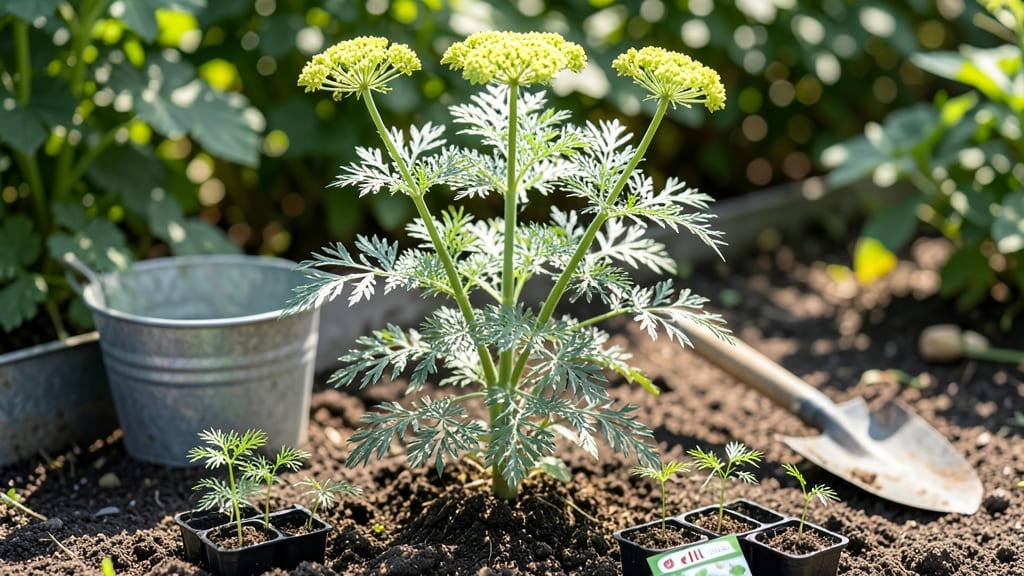
Knowing when to plant dill in Zone 9 is the difference between a thriving herb garden and one that bolts before you can harvest a single leaf. In Phoenix or the Southern California desert, where temperatures climb fast, timing matters more than you might think.
Dill 🌿 is a cool-season herb that loves Zone 9’s mild winters but hates summer heat. Plant it too early, and you’ll trigger bolting—those unwanted flower stalks that turn your fragrant leaves into bitter stems.
But get the timing right, and you’ll enjoy fresh dill for pickling, soups, and garnishes all spring long.
I’ve grown dill in Zone 9 for years, and the exact window for success is late winter to early spring—typically between January and March. This gives your plants enough time to mature before summer’s intensity kicks in, while avoiding the frost risks of December.
In this guide, I’ll walk you through the ideal planting dates, soil prep tips, and how to adjust for microclimates—whether you’re in coastal Santa Barbara or inland Palm Springs. Let’s make sure your dill grows strong, not stubborn.
Zone 9 dill planting calendar: exact dates to prevent bolting
In Zone 9, dill’s natural tendency to bolt makes timing everything. Unlike cooler climates, Zone 9’s extended growing season means you have a 6-week window to plant dill—either in late winter or early spring—to avoid heat-induced bolting before harvest.
The key is planting when soil temperatures stay below 70°F but air temperatures begin warming consistently.
For most of Zone 9 (including Phoenix and coastal Southern California), aim to sow dill seeds between mid-January and mid-March. This timing aligns with the last frost date (around January 10) while keeping your plants cool enough to mature before summer’s intense heat triggers flowering.
If you miss this window, consider fall planting (September-October) for a second harvest.
Here’s the critical rule: Dill seeds germinate best in soil between 60°F and 75°F. In Zone 9, soil warms quickly—plant too late, and your seeds may rot before sprouting.
Use a soil thermometer to confirm temperatures before sowing. If your soil is already above 75°F, wait until fall or use shade cloth to delay heat exposure.
| Planting Stage | Zone 9 Timeline | Soil Temp | Key Action |
|---|---|---|---|
| Seed Sowing | Mid-Jan to Mid-Mar | 60°F–75°F | Direct sow 1/4" deep, 12" apart |
| Germination | 7–14 days | 65°F+ | Keep soil moist; thin seedlings |
| Harvest Window | 60–75 days | 55°F–70°F | Harvest leaves before flowering |
| Fall Alternative | Sep–Oct | 60°F–70°F | Extend season with shade cloth |
Microclimates in Zone 9 can shift planting by 2–4 weeks. Coastal areas (like San Diego) stay cooler longer, so you can push sowing to early April without bolting risks. Inland desert zones (like Phoenix) require earlier planting—aim for late December to early February—to avoid summer heat.
Test your soil temperature for 3 consecutive days before planting to refine your schedule.
Pro tip: Use black plastic mulch to warm soil faster in cooler microclimates or shade cloth to delay heat exposure in hotter areas. Both tricks help you fine-tune your planting window by 10–14 days.
For example, if your soil is running 5°F above ideal, shade cloth can buy you an extra week of safe growth.
If you’re growing dill for seeds (not leaves), you can plant slightly later—around late March—since you’ll let the plant bolt intentionally. However, seed production suffers in extreme Zone 9 heat, so prioritize spring leaf harvests for the best flavor.
Save seed production for fall plantings, where cooler nights preserve seed quality.
Remember: Dill is a cool-season annual in Zone 9, meaning it won’t survive summer’s peak heat. Plan to harvest by June or replant in fall. Succession planting every 3 weeks in your ideal window ensures a steady supply of fresh dill all season.
For container growers, use 5-gallon pots to control soil temperature. Containers heat up faster than ground soil, so plant 2 weeks earlier than your ground-based schedule. Place pots in partial shade during the hottest afternoon hours to extend your harvest window by 1–2 weeks.
Finally, monitor your dill’s leaf color after planting. Yellowing leaves signal heat stress, while purple stems indicate phosphorus deficiency—both common in Zone 9’s alkaline soils. Amend soil with compost before planting to improve nutrient retention and reduce bolting triggers.
Zone 9 dill planting calendar: exact dates to prevent bolting
Zone 9’s mild winters and hot summers create a 6-week window for planting dill—any earlier, and frost risks linger; any later, and summer heat triggers bolting. The ideal time is late winter to early spring, when soil temperatures hover between 55°F and 65°F.
This aligns with Zone 9’s last frost dates (typically mid-December to early January), giving your plants 8-10 weeks to mature before summer’s intensity.
For coastal areas like Santa Barbara, where winters are cooler, you can start as early as late January. In inland deserts like Phoenix, wait until mid-February to avoid unexpected cold snaps. The key is soil temperature: use a soil thermometer to confirm it’s above 55°F before sowing seeds.
🌱 Zone 9 Dill Planting Timeline
| Stage | Action | Soil Temp | Notes |
|---|---|---|---|
| Late Jan - Early Feb | Start seeds indoors | 55-65°F | Coastal areas only |
| Mid-Feb - Early Mar | Direct sow outdoors | 60-70°F | Inland deserts |
| Late Mar - Early Apr | Transplant seedlings | 65-75°F | Harden off first |
| May - June | Harvest leaves | 75-85°F | Avoid bolting |
Dill is an annual herb in Zone 9, meaning it completes its life cycle in one season. If you miss the spring window, you can try a fall planting in late summer (August-September) for a second harvest.
However, fall-planted dill often bolts quickly due to shorter daylight hours, so prioritize spring for the best results.
To extend your harvest, sow seeds every 2-3 weeks during the ideal window. This staggered approach ensures a continuous supply of fresh dill leaves. For example, plant a batch in late January, another in February, and a final one in early March.
Each batch will mature at different times, giving you harvests from April through June.
One common mistake in Zone 9 is planting dill too close to summer. By mid-April, daytime temperatures often exceed 85°F, which stresses dill plants. If you notice leaves yellowing or stems elongating prematurely, it’s a sign of heat stress.
Move potted dill to a shadier spot or provide afternoon shade cloth to buy time for harvest.
Pro tip: Use black plastic mulch to warm the soil faster in cooler microclimates. This helps you start seeds earlier and speeds up germination. Just remove the mulch once plants are established to prevent overheating.