
Plants
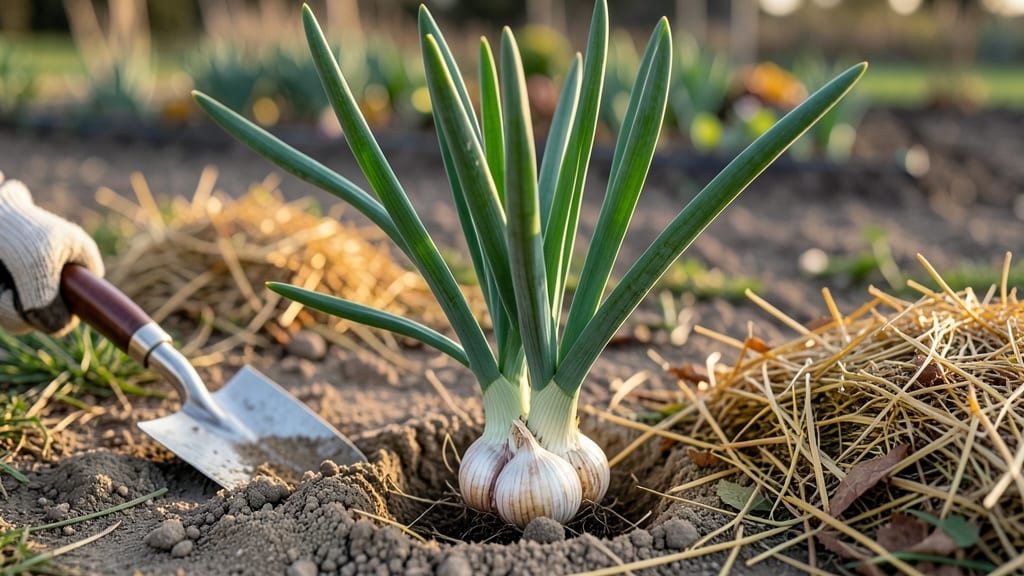
Planting garlic at the wrong time in South Dakota can turn your sweet harvest into bitter disappointment—but getting the timing right means plump, flavorful bulbs with almost no effort.
The key to success lies in those crisp fall days when the soil cools and the days grow shorter, creating perfect conditions for 🧄 to establish strong roots before winter.
In zones 4a-5b, your window is narrow: late September to early October is ideal, but don’t wait too long—once the ground freezes, your garlic’s growth grinds to a halt.
South Dakota’s short growing season means every week counts, so planting too late could leave you with small, weak bulbs or worse, bolted garlic that never matures.
I’ve learned the hard way that skipping soil prep or rushing the timing leads to disappointment, but with the right approach, you’ll harvest 2-3 times more garlic than your neighbors.
Let’s break down exactly when to plant, how deep to bury those cloves, and the simple tricks to protect your crop through our harsh winters.
Whether you’re a first-time gardener or a veteran with a few failed attempts under your belt, these tips will help you grow garlic that’s bigger, stronger, and ready to harvest next summer. Let’s make this your best garlic season yet!
South Dakota’s fall garlic planting deadlines by zone
Timing is everything when planting garlic in South Dakota. The state’s USDA zones 4a-5b demand precise fall planting to prevent bolting (premature flowering) and ensure sweet, plump bulbs. Miss the window, and you’ll end up with bitter, underdeveloped cloves instead of a harvest-worthy crop.
For South Dakota gardeners, the ideal planting window is late September to early October. This gives garlic enough time to establish roots before the ground freezes—typically around mid-October in most regions. Planting too early (like August) risks bolting, while waiting until November leaves cloves vulnerable to winter kill.
Here’s your zone-specific planting guide to avoid common mistakes and maximize yields. South Dakota’s alkaline soils and harsh winters require careful timing, so let’s break it down by zone and soil conditions.
🌱 South Dakota’s Garlic Planting Deadlines by Zone
| USDA Zone | Ideal Planting Window | Last Chance Before Frost | Soil Temp Threshold | Key Tip |
|---|---|---|---|---|
| 4a (Northern SD) | Late September | October 5 | 45°F (7°C) | Use extra mulch (12"+) to insulate cloves. |
| 4b (Central SD) | Late September to early October | October 10 | 40°F (4°C) | Aim for 4-6 weeks before first frost. |
| 5a (Southeastern SD) | Early to mid-October | October 15 | 35°F (2°C) | Hardneck varieties perform best here. |
| 5b (Extreme SE SD) | Mid-October | October 20 | 30°F (-1°C) | Soil stays warmer; plant slightly later. |
Pro tip: Use a soil thermometer to confirm ground temps. Garlic cloves need 40-50°F (4-10°C) soil to root properly. In northern South Dakota, wait until soil cools below 60°F (15°C) to prevent sprouting too early.
If you’re in zone 4a, don’t wait past September 25—even hardy varieties like German White need time to establish before winter. For zone 5b, you’ve got a little more flexibility, but planting after October 15 risks poor bulb development.
Another critical factor? Day length. Garlic is a long-day plant, meaning it needs 14+ hours of daylight to trigger bulb formation. Planting in fall ensures it gets this signal the following spring, even in South Dakota’s short growing season.
For first-time growers, mark your calendar for September 20-25 as the safest bet across most of the state. This window balances root establishment with winter hardiness, giving you the best chance for large, flavorful bulbs by next summer.
Remember: No spring planting works in South Dakota’s climate. Garlic planted in spring bolts quickly due to long daylight hours, producing small, pungent scapes instead of bulbs. Stick to fall, and you’ll reap the rewards!
Once planted, focus on mulching (we’ll cover this in the next section) to protect cloves from freeze-thaw cycles—a common issue in South Dakota’s variable winters. A thick layer of straw or leaves keeps soil temps stable and prevents heaving.
🌿 Ready to plant? Grab your cloves, test your soil, and set that calendar—your 2025 garlic harvest starts now!
South Dakota’s fall garlic planting deadlines by zone
Timing your garlic planting is everything in South Dakota, where USDA zones 4a-5b demand precision. The ideal window is late September through early October, but your exact deadline depends on your microclimate and when the first hard frost hits.
In most of the state, aim to plant 4-6 weeks before the ground freezes—typically by October 15 in western areas and October 1 in eastern regions.
If you miss this window, don’t panic—you can still plant into early November, but your bulbs may be smaller. The key is ensuring the soil stays workable and garlic has time to establish roots before winter dormancy.
I’ve seen gardeners in zone 4a push planting to mid-November with success, but the risk of poor bulb development increases the later you go.
Soil temperature is your best guide: garlic cloves need 40-50°F soil to sprout. Use a soil thermometer to check—once temps drop below 32°F, growth stops. In South Dakota’s alkaline soils, this often happens by late October, so don’t wait until the last minute!
🌱 South Dakota Garlic Planting Deadlines by Zone
| Zone | Ideal Planting Window | Last-Chance Date | Soil Temp Threshold |
|---|---|---|---|
| 4a (Western SD) | Late September - October 15 | November 1 | 40-50°F |
| 5a (Eastern SD) | October 1 - October 15 | November 10 | 40-50°F |
| 5b (Southeast SD) | October 1 - October 20 | November 15 | 40-50°F |
💡 Pro Tip: Plant hardneck varieties first—they handle cold better than softnecks.
For gardeners in zone 4a, where winters are harshest, prioritize early-maturing varieties like German White or Chesnok Red. These types need 180-200 days to mature, so planting by October 1 ensures they’re ready by next summer.
In zone 5b, you have a little more flexibility, but don’t push your luck—late plantings often result in smaller bulbs or bolting (premature flowering).
One mistake I see often is planting garlic too early. If you plant in August, the cloves may sprout but won’t develop strong roots before winter.
This leads to weak growth in spring and poor bulb formation. Wait until the soil cools—typically after September 15—to give your garlic the best start.
Remember, garlic is a cool-season crop, so the shorter days and cooler temps of fall trigger its natural growth cycle. By planting at the right time, you’ll give your bulbs the 120-150 frost-free days they need to mature fully. Mark your calendar now—your June harvest depends on it!