
Companion Plants
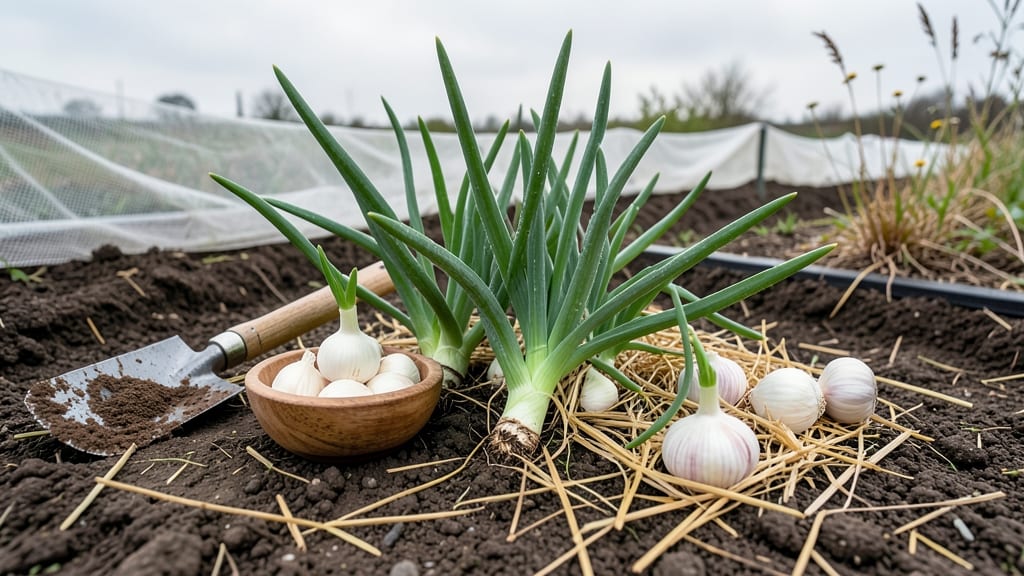
If you're dreaming of a bountiful garlic harvest next summer, timing your 🧄 planting is the secret weapon for Northeast PA gardeners.
Those crisp fall days between late September and early October aren't just for pumpkin patches—they're the perfect window to get hardneck varieties in the ground before winter sets in.
Why does this matter? Because garlic thrives in our 5b-6b climate zones, where cold winters actually help develop those plump bulbs you'll harvest mid-July. Plant too early, and your cloves might rot; too late, and they won't establish strong roots before dormancy.
The good news? Even if you miss fall, early spring planting in March gives you a second chance.
Let me show you exactly how to read your local frost dates, prepare soil for maximum growth, and choose the right varieties that perform best in our region.
Whether you're a first-time gardener or a seasoned pro, these seasonal strategies will help you avoid common mistakes and get the harvest you've been waiting for.
From soil temperature tricks to the best planting depth, we'll cover everything you need to know to make this growing season your most successful yet. Ready to turn those garlic dreams into reality? Let's get started.
Best planting months for garlic in Northeast PA’s climate zones
Northeast Pennsylvania’s USDA zones 5b-6b create perfect conditions for growing hardneck garlic, but timing your planting is the key to a successful harvest. Unlike softneck varieties, hardneck garlic thrives in cold winters, needing a 6-8 week cold period to form bulbs.
This means you’ll want to plant in fall, not spring, to take full advantage of your region’s frost cycles.
The ideal window for planting garlic in Northeast PA is between late September and early October. This timing allows the cloves to root before the ground freezes, while still exposing them to enough cold to trigger bulb formation.
Planting too early (like August) can lead to premature sprouting, while planting too late (November or later) risks cloves rotting in frozen soil.
If you miss the fall window, you can try planting in early spring (March), but yields will be smaller and flavor less robust. Spring-planted garlic lacks the cold stratification needed for optimal bulb development. For best results, stick to the fall planting schedule and enjoy larger, more flavorful bulbs.
Here’s how Northeast PA’s frost dates influence planting: Aim to plant 4-6 weeks before your first hard frost (typically mid-November in the region). This gives cloves enough time to establish roots before winter sets in.
For example, if your first frost is November 15, plant between October 15 and November 1.
Another critical factor is soil temperature. Garlic cloves should be planted when soil temps are between 40°F and 50°F. In Northeast PA, this usually aligns with late September to early October.
If you’re unsure about soil temps, use a soil thermometer or check local weather forecasts for ground-freeze predictions.
One common mistake gardeners make is assuming all garlic is the same. Hardneck vs. softneck matters here. Hardneck varieties (like ‘Music’ or ‘German White’) are perfect for Northeast PA’s climate, while softneck varieties (common in warmer regions) struggle with our winters. Always choose hardneck garlic for your fall plantings.
Local factors like elevation also play a role. Areas in the Poconos or Allegheny Plateau may experience earlier frosts than lower elevations near Scranton or Wilkes-Barre. Adjust your planting window by 1-2 weeks earlier if you’re in higher elevations to account for colder microclimates.
🌱 Northeast PA Garlic Planting Summary
| Factor | Northeast PA Specification | Key Notes |
|---|---|---|
| Best Planting Window | Late September–Early October | 4-6 weeks before first frost |
| Soil Temperature | 40°F–50°F | Use thermometer if unsure |
| USDA Zone | 5b–6b | Hardneck varieties only |
| Alternative Window | Early March (spring) | Smaller yields, less flavor |
| Frost Requirement | 6–8 weeks below 40°F | Critical for bulb formation |
To maximize your garlic’s potential, consider local microclimates. Urban areas like Scranton or Wilkes-Barre may have slightly warmer microclimates due to heat retention, while rural farms in the Poconos face earlier frosts.
Monitor your specific area’s frost dates using resources like the Penn State Extension or local gardening groups for tailored advice.
One pro tip: If you’re new to garlic growing, start with ‘Music’ or ‘German White’ varieties, which are well-adapted to Northeast PA’s climate. These hardneck types produce large bulbs with multiple cloves and handle our winters like a champ.
Avoid softneck varieties unless you’re planting in a protected microclimate with milder winters.
Finally, remember that garlic is a perennial crop in your region. While you’ll harvest the bulbs in mid-to-late July, the plants will regrow from the base, producing scape (flower stalks) that you can harvest for cooking. This makes garlic a low-maintenance, high-reward crop for Northeast PA gardeners.
Best planting months for garlic in Northeast PA’s climate zones
Northeast PA’s USDA zones 5b-6b create the perfect conditions for hardneck garlic, but timing is everything. The ideal window is late September to early October, when soil temperatures drop below 60°F (15°C) but before the ground freezes. This gives cloves time to root before winter dormancy kicks in.
Why fall? Cold winters actually strengthen garlic bulbs—they need 60-90 days of freezing temps to develop properly. Plant too early (August), and cloves may sprout prematurely. Too late (November), and roots won’t establish before dormancy.
Here’s how to align your planting with Northeast PA’s frost cycles:
| Stage | Action | Notes |
|---|---|---|
| Late September | Plant hardneck cloves | Soil temp: 50-60°F |
| October | Complete planting | Before first frost (mid-Nov) |
| Winter | Dormancy | Needs 60+ days below freezing |
| Spring (March) | Second chance | Smaller bulbs but viable |
Missed fall? Don’t panic! Plant in early March for a second harvest, though bulbs will be 20-30% smaller. The key is ensuring soil temps stay below 70°F (21°C)—use a soil thermometer if unsure.
Pro tip: Check your local first frost date (usually mid-November in NE PA) and plant 4-6 weeks before. This ensures roots establish before winter sets in.
Hardneck varieties (like ‘Music’ or ‘German White’) perform best in our climate, while softneck types struggle with our cold winters. Stick to hardnecks for maximum yield and flavor.