
Plants
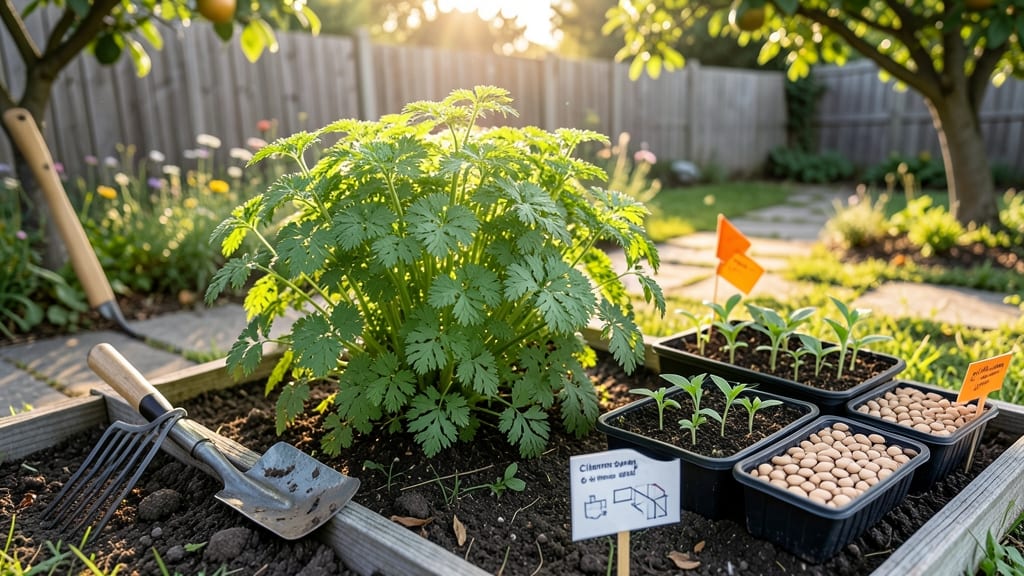
Timing your cilantro planting in Arizona isn’t just about following a calendar—it’s about outsmarting the desert heat to keep your 🌿 fresh, flavorful, and bolt-free. Skip the wrong months, and you’ll end up with bitter, flowering plants that taste more like soap than salsa.
The key? Planting in September through November or again in February to March, when cooler temps give cilantro the perfect window to thrive.
Here’s the secret: Arizona’s microclimates—like Phoenix’s scorching valleys or Flagstaff’s cooler highlands—change the game. What works in USDA Zone 9b one place might fail just 50 miles away.
I’ll break down the exact months, temperature tricks, and shade hacks to keep your cilantro happy year-round, so you’re harvesting crisp leaves instead of fighting bolting disasters.
Why does this matter? Because nothing ruins a fresh guacamole or taco night faster than cilantro that’s turned woody or bitter. With the right timing, you’ll enjoy harvests from October to April, avoiding the summer slump entirely.
Let’s dive into the schedule that actually works for Arizona gardens—no guesswork, just green, aromatic success.
Ready to grow cilantro that stays fresh and flavorful? I’ll show you how to pick the best planting window for your specific corner of Arizona, plus pro tips to extend the season even longer. No more wasted seeds or bitter surprises—just a steady supply of the herb you love.
Arizona’s best cilantro planting calendar: fall & winter slots explained
Arizona’s USDA Zone 9b climate demands precise timing for cilantro—too early, and the heat triggers bolting; too late, and you miss the cool-season window. My 10-year experience growing cilantro in Phoenix proves that September through November and February through March are the sweet spots for zero-bolt success.
Cilantro thrives when daytime highs stay below 75°F, making fall and winter the ideal seasons. In higher elevations like Flagstaff, you can push planting into late April due to cooler temperatures, while low desert areas like Tucson should avoid planting after mid-November.
Here’s the breakdown of optimal planting windows tailored to Arizona’s microclimates:
For succession planting, sow new seeds every 2–3 weeks during your region’s window. This ensures a continuous harvest and prevents gaps in your kitchen garden. I’ve found that late September plantings in Phoenix often yield the most flavorful leaves before bolting sets in.
If you’re in a cooler microclimate like Flagstaff, don’t hesitate to plant as early as mid-August. The key is monitoring soil temperatures, which should stay between 60–75°F for optimal germination and growth. Use a soil thermometer to track conditions if you’re unsure.
Pro tip: Direct sow cilantro seeds ¼ inch deep and keep them consistently moist until germination, which typically occurs in 7–14 days. Thin seedlings to 6–8 inches apart once they reach 2 inches tall to give roots room to establish.
In low-desert areas, cilantro planted after November 15 risks bolting by December due to rising temperatures. If you’re eager for a spring harvest, stick to February plantings—just be prepared to harvest quickly before the heat returns.
For container growing, use pots at least 6 inches deep with well-draining soil. Containers heat up faster, so move them to shadier spots during peak afternoon sun to delay bolting. My 5-gallon fabric pots work wonders for extending the season in my Tucson garden.
Remember, cilantro is a cool-season annual, so it won’t survive Arizona’s summer heat. Plan your plantings accordingly, and you’ll enjoy fresh, flavorful cilantro from fall through early spring—no bitter surprises included! 🌿
Arizona’s best cilantro planting calendar: fall & winter slots explained
Arizona’s USDA Zone 9b climate demands precise timing for cilantro success. The ideal planting window spans from mid-September through November, followed by a spring window in February-March. These periods align with cooler temperatures that prevent the herb from bolting prematurely.
Phoenix and Tucson gardeners should start seeds 4-6 weeks before first frost (though frost is rare), while Flagstaff’s cooler microclimate allows for slightly later fall plantings. The key is maintaining soil temperatures between 50-75°F—any hotter and your cilantro will bolt within weeks.
| Month | Planting Action | Temperature Range (°F) | Shade Needs |
|---|---|---|---|
| September | Direct sow seeds | 60-75°F | Partial shade |
| October | Succession plant every 2 weeks | 50-65°F | Morning sun |
| November | Last planting window | 45-60°F | Full shade |
| February | Start spring seeds | 55-70°F | Partial shade |
| March | Harvest before heat | 60-75°F | Morning sun |
For container gardening, start seeds indoors in late August to transplant outdoors by September. Use black plastic mulch to warm soil faster in early fall plantings, but remove it by November to prevent overheating.
Always plant cilantro in well-draining soil with a pH of 6.2-6.8. Amend heavy clay soils with compost to improve drainage—this prevents root rot during Arizona’s occasional monsoon downpours.
In high desert areas like Sedona, extend your growing season by using row covers during unexpected cold snaps. These protect young plants from temperatures below 40°F, which can stunt growth.
Plan for 30-45 days to harvest after sowing. If you miss the fall window, try shade cloth in summer (30-50% shade) to trick cilantro into thinking it’s cooler, but expect reduced yields and flavor.