
Plants
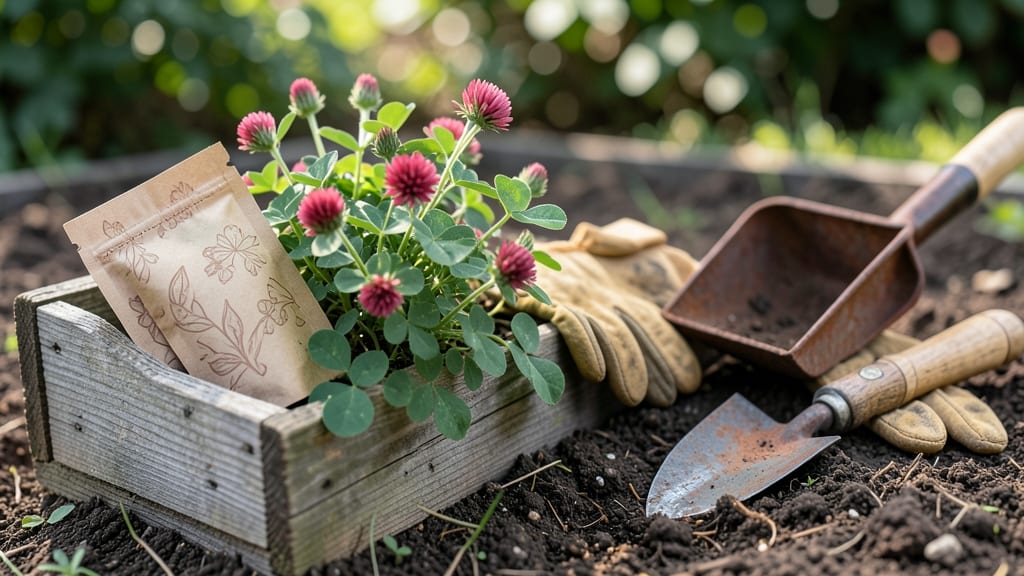
If you're wondering when to plant crimson clover in Tennessee, timing is the secret to unlocking its full potential as a cover crop and pollinator magnet. This vibrant 🌸 Crimson Clover thrives in Tennessee's 6a-7b zones, but planting it outside the ideal windows means weaker growth or wasted seeds.
Most gardeners in Tennessee focus on fall planting—typically between August and October—because it gives the clover time to establish roots before winter. This early start means stronger spring blooms and better soil protection.
But if you miss that window, early spring planting (March-April) still works, though it may bloom later in the season.
Why does timing matter so much? Because crimson clover needs 4-6 weeks before the first frost to take hold. In Tennessee, where frost can arrive as early as mid-November, planting too late risks weak seedlings.
Meanwhile, spring planting must happen before the soil warms too much, or the clover may bolt before flowering.
In this guide, I’ll walk you through the exact planting windows for your region, soil prep tips, and how to adjust for Tennessee’s unpredictable weather. Whether you're a farmer, gardener, or just love supporting pollinators, getting the timing right makes all the difference.
Optimal planting windows for crimson clover in Tennessee regions
Tennessee’s three distinct climate zones—East, Middle, and West—each demand slightly different timing for planting crimson clover. The key is planting 4-6 weeks before first frost to ensure roots establish before winter. For most of Tennessee, this means late August through early October, but regional variations exist.
In East Tennessee (USDA Zone 6a), cooler temperatures arrive earlier, so aim for mid-August to early September. Meanwhile, West Tennessee (Zone 7b) can handle later plantings until mid-October. Middle Tennessee falls somewhere in between, with late August to early October being ideal.
Spring planting is also viable but less common. If you choose this route, plant in early March to mid-April, ensuring soil temperatures reach 50°F (10°C) for optimal germination. Spring plantings won’t bloom until late summer, missing the critical early spring pollinator support window.
| Region | Fall Planting Window | Spring Planting Window | First Frost Date | Soil Temp Threshold |
|---|---|---|---|---|
| East TN (Zone 6a) | Mid-August - Early September | Early March - Mid-April | November 1-15 | 50°F (10°C) |
| Middle TN (Zone 6b-7a) | Late August - Early October | Mid-March - Early April | November 10-20 | 50°F (10°C) |
| West TN (Zone 7b) | Late August - Mid-October | Late March - Early May | November 20-December 1 | 50°F (10°C) |
For Nashville and surrounding areas, the average first frost typically arrives around November 15. This means your last chance to plant for fall establishment is mid-October. In Chattanooga, slightly cooler microclimates may push the window back to early October, so check local frost data.
Use soil thermometers to confirm readiness—crimson clover seeds need soil temperatures above 50°F (10°C) to germinate. In Tennessee’s humid climate, warm soils can occur earlier than expected, so don’t wait until the last minute. Aim for late August to give seeds time to establish before cooler nights arrive.
If you’re planting in higher elevations (e.g., Great Smoky Mountains), shift your timeline 2-3 weeks earlier due to cooler microclimates. Conversely, lowland areas like Memphis can sometimes extend the window into mid-October without risking frost damage.
Pro tip: Plant in late September if you want to maximize early spring blooms. This timing balances root establishment with winter hardiness, ensuring vibrant pink and red flowers by March or April—just as pollinators emerge from dormancy.
Always check local frost dates via resources like the Old Farmer’s Almanac or your local Cooperative Extension Service. Tennessee’s variable microclimates mean a 1-2 week difference can make or break your planting success.
For urban gardeners, container planting can extend your window slightly. Use heat-retaining pots to maintain soil warmth, allowing late September plantings in protected microclimates like southeast-facing patios.
Optimal planting windows for crimson clover in Tennessee regions
Tennessee’s diverse climate zones—from the cooler East to the warmer West—create distinct planting windows for crimson clover. In USDA zones 6a-7b, the ideal time to plant is 4-6 weeks before the first frost, typically between mid-August and early October.
This timing ensures roots establish before winter, setting up vibrant spring blooms.
For East Tennessee (e.g., Knoxville, Chattanooga), where first frosts often arrive by November 1-15, aim for late August to mid-September planting.
In Middle Tennessee (Nashville, Murfreesboro), with frosts around November 10-20, early September to early October works best. West Tennessee (Memphis, Jackson) can plant slightly later, up to mid-October, thanks to milder winters.
Spring planting is also viable but riskier—seedlings must establish before soil warms in March-April. Early spring plantings (by mid-March) may bloom sooner, but late plantings risk bolting before flowering. Always check your local last frost date for precision.
🌱 Tennessee Planting Windows by Region
| Region | Fall Planting Window | First Frost Date | Spring Planting Window |
|---|---|---|---|
| East TN (6a) | Late Aug - Mid-Sept | Nov 1-15 | Mid-Mar - Early Apr |
| Middle TN (6b-7a) | Early Sept - Early Oct | Nov 10-20 | Late Feb - Mid-Apr |
| West TN (7a-7b) | Mid-Sept - Mid-Oct | Nov 15-30 | Early Mar - Late Apr |
Note: Adjust 1-2 weeks earlier for high-elevation areas (e.g., Great Smoky Mountains).
Soil temperature is another critical factor. Crimson clover seeds germinate best in soils between 60°F and 75°F. Use a soil thermometer to confirm—planting too early (when soil is below 60°F) slows germination, while waiting too long (soil > 80°F) risks bolting.
In Tennessee, soil temps drop below 60°F by mid-October, so late September is often the last safe window.
Pro tip: If you’re planting in late September or October, use a light row cover to protect seedlings from early frosts. This extends the planting window by 2-3 weeks without risking seedling damage. Just remove covers during the day to prevent overheating.
Regardless of region, always test your soil’s pH (6.0-7.0 ideal) and add compost before planting. Well-prepared soil ensures faster germination and stronger plants—critical for Tennessee’s unpredictable weather patterns. 🌿