
Plants
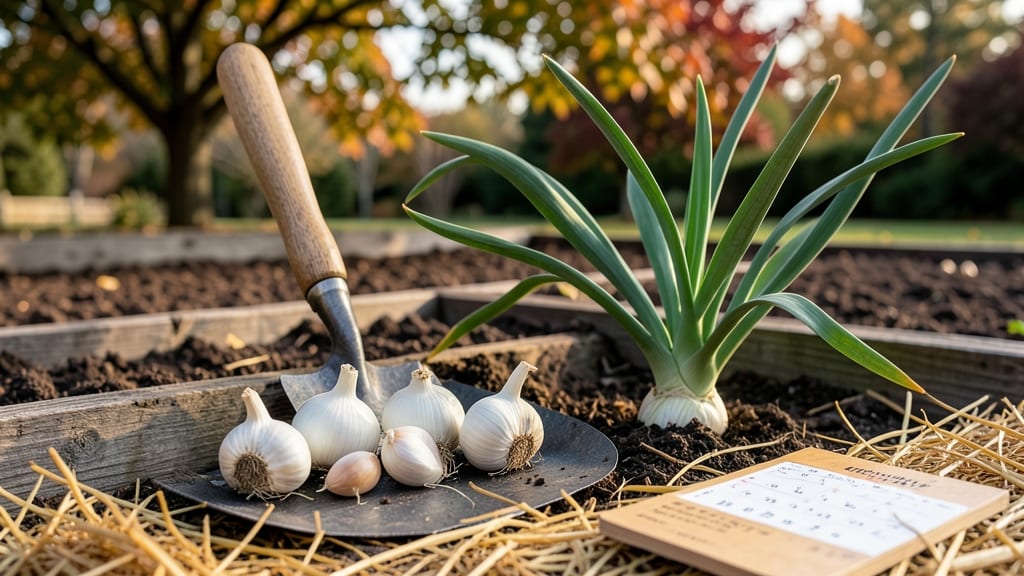
Knowing when to plant garlic in Vermont is the difference between a bumper crop of bold, flavorful cloves and a disappointing harvest. The Green Mountain State’s chilly climate demands precision—plant too early, and your garlic might rot; too late, and frost will stunt growth.
But get the timing right, especially for hardneck varieties, and you’ll enjoy plump bulbs ready by late June.
Most Vermont gardeners swear by planting in mid-to-late fall, between October and early November, when soil temps dip but ground stays workable. This gives garlic’s roots time to establish before winter, while hardneck types like ‘German White’ thrive with Vermont’s cold snaps.
Softneck varieties, though less common here, can also go in September if you’re eager for an earlier start.
Why does this matter? Because Vermont’s USDA zones 4b-6a mean frost can linger well into May, and garlic planted after November 15th risks poor bulb formation. I’ll break down the exact windows for your region, plus soil prep secrets to ensure your 🧄 garlic flourishes—no guesswork, just guaranteed harvests.
Ready to master the art of Vermont garlic planting? Let’s dive into the best months, frost-proofing tips, and how to outsmart the climate for the best yields your garden’s ever seen.
Best planting months for Vermont garlic: hardneck vs softneck breakdown
Vermont’s cool climate and short growing season make fall planting the gold standard for garlic. But did you know hardneck and softneck varieties have different ideal windows?
Hardnecks—like ‘German White’ or ‘Music’—need October to early November planting, while softnecks (such as ‘Silverskin’) can handle September to early October. Timing wrong risks frost damage or stunted bulbs.
Your last frost date in Vermont typically falls between mid-October (Champlain Valley) and late October (Green Mountains). Aim to plant 4-6 weeks before the ground freezes—this gives roots time to establish before winter. For example, if your soil freezes around November 15, plant by October 15 for hardnecks.
Here’s the key difference between varieties: hardnecks rely on cold vernalization (a winter chill period) to form bulbs, while softnecks can tolerate milder winters. Vermont’s USDA Zones 4b-6a favor hardnecks, which also produce scape shoots—a bonus for cooking! Softnecks store longer but need slightly earlier planting.
| Variety | Best Planting Window | Frost Tolerance | Vermont Notes |
|---|---|---|---|
| Hardneck (e.g., ‘Music’, ‘German White’) | October 1–November 15 | High (needs winter chill) | Ideal for late fall; produces scape shoots. |
| Softneck (e.g., ‘Silverskin’, ‘Artichoke’) | September 15–October 15 | Moderate (less cold required) | Better for early planting; stores longer. |
For soil preparation, work in compost or aged manure 2-3 weeks before planting to boost nutrients. Vermont’s clay-heavy soils benefit from sand or peat moss for drainage. Test your soil’s pH—garlic thrives in 6.0–7.0. If your soil is acidic, add lime in early fall to adjust levels.
Pro tip: Break bulbs into individual cloves right before planting. Use the largest cloves for bigger harvests—just avoid the smallest ones (they’ll produce tiny bulbs). Plant 2 inches deep, 4–6 inches apart, with the pointed end up.
Mulch with straw or leaves after planting to insulate roots through winter.
Spring planting is possible in Vermont, but it’s risky. If you miss fall, plant as early as March (before soil warms) and expect smaller bulbs. Hardnecks won’t form properly without winter chill. For best results, stick to fall planting and let Vermont’s cold do the work for you.
Watch for early spring growth (March–April) as a sign your garlic is thriving. Hardnecks will send up scape shoots by June—pinch these off to redirect energy to bulb growth. Softnecks won’t scape but may need light spring fertilization (5-10-10) to boost size.
Harvest time arrives in late June to July when lower leaves brown and bulbs feel firm when squeezed. Cure harvested garlic in a shady, dry spot for 2 weeks before storing. Vermont’s humid summers make curing tricky—use a fan or mesh bags to prevent mold.
Don’t let Vermont’s unpredictable weather stress you out. With the right planting window and variety, you’ll enjoy bold, homegrown garlic year after year—perfect for soups, roasts, or braids to hang in your kitchen. 🧄
Best planting months for Vermont garlic: hardneck vs softneck breakdown
Vermont’s chilly climate makes garlic planting a precision task. For hardneck varieties—the star of Vermont gardens—aim for mid-October to early November. This window lets roots establish before winter while avoiding early frost that can damage tender shoots.
Softneck garlic, though less common here, can go in late September if you’re eager to start earlier.
Why October? Because Vermont’s last-frost dates typically fall between mid-October and late November, depending on elevation. Planting too early (before September 20th) risks premature sprouting, while waiting past November 15th delays root growth, shrinking your harvest size.
I’ve found October 15th is my sweet spot for ‘Chesnok Red’ and ‘German White’.
Here’s the visual breakdown of when to plant each type in Vermont:
| Variety | Best Planting Window | Frost Risk | Soil Temp Goal |
|---|---|---|---|
| Hardneck (e.g., 'German White', 'Chesnok Red') | October 15–November 15 | Low (roots harden in cold) | 40–50°F (4–10°C) |
| Softneck (e.g., 'Silverskin', 'Artichoke') | Late September–early October | Moderate (needs warmer start) | 50–60°F (10–15°C) |
One critical mistake I’ve seen Vermont gardeners make? Planting too shallow. Garlic cloves need 2 inches of soil coverage to protect them from freeze-thaw cycles. Use a trowel to create trenches, place cloves pointy-end up, and cover with straw mulch (4–6 inches) to insulate roots through winter.
For elevation adjustments, add 2–3 weeks to planting times in the Green Mountains (e.g., Stowe) compared to the Champlain Valley (e.g., Burlington). Higher altitudes freeze earlier, so aim for early October in these zones.
I’ve had ‘Music’ garlic thrive in Montpelier’s zone 4b when planted by October 1st.
Finally, spring planting is possible but risky in Vermont. If you miss fall, try March–April, but expect smaller bulbs due to shorter growing season. For best results, stick to fall and let Vermont’s cold winters do the work—hardneck garlic needs chill hours to form proper bulbs.