
Plants
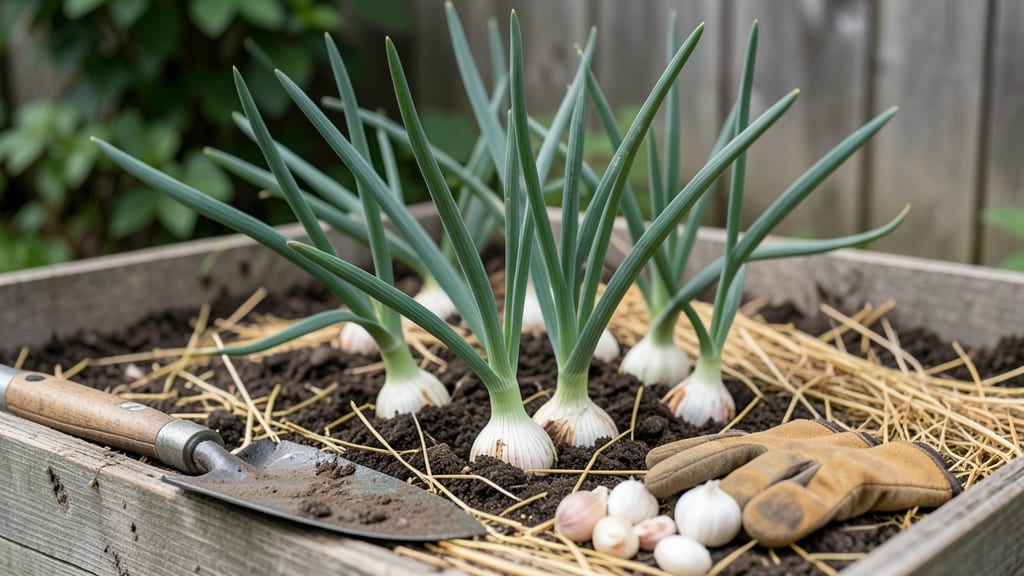
Planting garlic in Delaware at the wrong time can mean the difference between bold, flavorful bulbs and a disappointing harvest. The key to success lies in understanding Delaware’s unique climate—where crisp autumns and unpredictable winters demand precise timing.
Most gardeners in Delaware’s USDA zones 7a-7b know that fall is the ideal season for planting garlic, but the exact window matters. Planting too early risks weak growth, while waiting too long exposes cloves to frost damage.
The sweet spot? Between mid-October and early November, when soil temperatures dip but the ground hasn’t frozen solid.
Why does timing matter so much? Garlic needs 90-120 days to mature, and Delaware’s first frost typically arrives around mid-November. Planting in this window ensures your 🧄 gets a strong start before winter sets in, setting you up for a harvest in late June or July.
In this guide, I’ll break down the exact steps to plant garlic in Delaware’s fall window, including soil prep, variety selection, and how to protect your crop from Delaware’s variable weather. Let’s get those cloves in the ground the right way!
Delaware’s ideal fall planting window for garlic (with frost-date guide)
Delaware’s USDA zones 6b-7a create the perfect conditions for growing hardneck and softneck garlic, but timing is everything. The ideal planting window spans from mid-October to early November, aligning with Delaware’s average first frost date of November 15.
This timing ensures garlic cloves establish roots before winter dormancy while avoiding spring planting pitfalls.
Garlic thrives in Delaware’s cool autumn temperatures (50–60°F) and moderate winters. Hardneck varieties, like ‘German White’ or ‘Music’, need cold exposure to form bulbs, while softneck types (e.g., ‘Silverskin’) tolerate milder winters.
Planting too early risks rot from excess moisture, while late planting may yield small, underdeveloped bulbs.
Here’s how Delaware’s microclimates influence planting: Coastal areas (e.g., Rehoboth Beach) experience later frosts (early December), while inland regions (e.g., Wilmington) freeze sooner (mid-November). Adjust your schedule accordingly to avoid frost damage to emerging shoots in spring.
| Key Factor | Delaware-Specific Details | Actionable Tip |
|---|---|---|
| USDA Zone | 6b-7a (Cooler inland, milder coastal) | Choose hardneck for inland, softneck for coastal. |
| First Frost Date | Mid-October (inland) to early December (coastal) | Plant 4-6 weeks before frost for root establishment. |
| Soil Temperature | 50–60°F (ideal for germination) | Use a soil thermometer to confirm readiness. |
| Variety Choice | Hardneck (e.g., ‘German White’) vs. Softneck (e.g., ‘Silverskin’) | Hardneck needs cold vernalization; softneck stores longer. |
| Planting Depth | 2 inches (pointy end up) | Deeper in sandy soil (e.g., coastal areas). |
Delaware’s rainy autumns can delay planting, so prioritize well-draining soil. Amend clay soils with compost or sand to prevent waterlogging, which causes clove rot. Test your soil’s pH (6.0–7.0)—garlic hates acidic conditions. If your soil is too acidic, add lime in early fall to adjust before planting.
Pro tip: Use mulch (straw or leaves) after planting to insulate cloves from temperature swings. In coastal Delaware, where winters are milder, mulch also protects against salt spray near shorelines. Remove mulch in early spring to prevent fungal diseases like white rot.
If you miss the fall window, Delaware gardeners can plant garlic in late winter (February), but yields may be 20–30% smaller. This method works best for softneck varieties, which don’t require cold vernalization.
For hardnecks, spring planting is a gamble—bulbs may not form properly without winter chill.
Monitor your garden for early spring green shoots, a sign roots are active. In Delaware, these typically appear in March. If shoots emerge too early (before last frost, ~April 15), protect them with row covers or cloches to avoid frost damage.
Remember: Harvest timing (late June–July) depends on your planting date. Garlic planted in early November will mature faster than cloves sown in late October. Watch for lower leaves turning brown—this signals bulb maturity. Rush harvesting, and you’ll end up with loose, papery skins and poor storage quality.
Delaware’s garlic-growing success hinges on one rule: Plant when soil temps hit 50–60°F and 4–6 weeks before frost. Master this, and you’ll enjoy bold, flavorful bulbs that store for months—perfect for braiding or long-term use. 🧄
Delaware’s ideal fall planting window for garlic (with frost-date guide)
Delaware’s USDA zones 7a-7b create a unique challenge for garlic growers—cool winters and mild springs mean precise timing is everything. The optimal planting window spans from mid-October to early November, aligning with Delaware’s average first frost date of November 15.
This timing ensures garlic cloves establish roots before winter dormancy, while avoiding the risk of frost damage to young shoots.
For hardneck varieties (like Rocambole or Silverskin), this window is critical—they need 90-120 days of cold to form bulbs. Softneck varieties (like Artichoke) are slightly more flexible but still thrive when planted in this period. Missing this window risks stunted growth or bulbs that fail to mature properly.
Delaware’s coastal areas (e.g., Rehoboth) often experience later frosts than inland regions (e.g., Wilmington), so gardeners near the shore should aim for early November planting. Inland areas can push slightly earlier, around mid-October, to account for earlier frost potential.
| Stage | Action | Delaware Timing |
|---|---|---|
| Soil Prep | Test pH (6.0-7.0), amend with compost | September-October |
| Plant Cloves | 2 inches deep, pointed end up, 4-6 inches apart | Mid-October to early November |
| Mulch | 4-6 inches of straw or leaves | After planting |
| First Frost | Garlic survives light frost; roots harden | November 15 (avg.) |
| Harvest Ready | Lower leaves brown, bulbs firm | Late June-July |
Delaware’s variable weather patterns mean gardeners should monitor local forecasts. A hard freeze (below 20°F) can damage garlic, but established cloves with mulch protection typically survive. If an early frost is predicted, prioritize coastal areas for slightly later planting, as their milder microclimates delay frost arrival.
Pro tip: Use a soil thermometer to confirm planting readiness—ideal soil temps are 40-50°F. This ensures cloves sprout without rotting in cold, wet soil. For extra insurance, choose hardneck varieties, which handle Delaware’s winters better than softnecks.
Timing your garlic planting to Delaware’s frost dates isn’t just about avoiding cold—it’s about giving your crop the perfect 90-120 day growing window it needs. With this schedule, you’ll harvest plump, flavorful bulbs by late June or July, just in time for summer recipes and storage.