
Planting
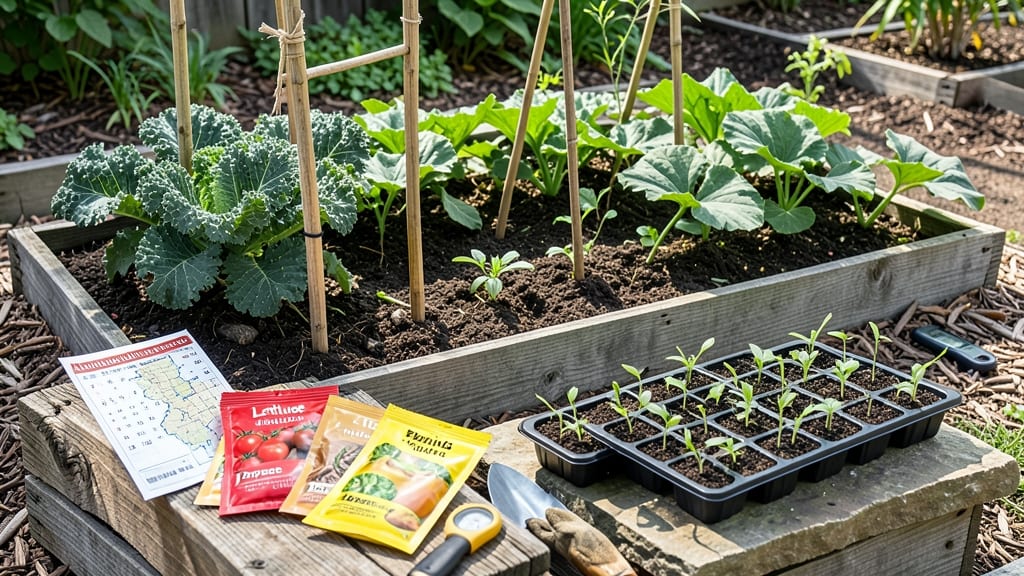
Timing your Garden planting in Wisconsin isn’t just about following a calendar—it’s about outsmarting frost dates that can turn your hard work into a chilly gamble. The wrong move means watching seedlings freeze overnight, while perfect timing unlocks a bounty of fresh produce straight from your backyard.
Whether you're in Zone 5a or 6b, knowing when to plant isn’t just helpful—it’s the difference between a thriving harvest and a disappointing loss.
Wisconsin’s climate throws curveballs, with frost dates that shift yearly and microclimates that can make your neighbor’s garden thrive while yours struggles. That’s why I’ve broken down the science behind Wisconsin’s planting windows, so you can plant with confidence—no more guessing games or last-minute scrambles.
Let’s dive into the exact dates and strategies that work for your specific corner of the state, because every gardener deserves a season of success.
The key to Wisconsin gardening? Starting strong in spring and staying ahead of frost. You’ll discover how to time your 🌱 Garden seeds indoors, when to transplant outdoors without risking a freeze, and how to stretch your growing season for those late-summer crops.
No more wasted effort—just a clear, actionable plan tailored to Wisconsin’s quirks. Ready to turn your garden dreams into reality?
From cool-loving peas to heat-seeking tomatoes, we’ll cover the best crops for your zone and how to keep them thriving all season long. Whether you’re a first-time gardener or a seasoned pro, these insights will help you plant smarter, harvest bigger, and enjoy Wisconsin’s growing season to the fullest.
Let’s get started—your garden’s future depends on it.
Wisconsin planting dates by hardiness Zone (5-6a vs 6b)
Wisconsin spans two USDA hardiness zones: 5a/6a in the north and 6b in the south. These zones dictate your last frost dates and ideal planting windows. Northern Wisconsin (zone 5a/6a) typically sees last frosts between April 15-May 1, while southern Wisconsin (zone 6b) averages April 1-May 15.
Knowing your zone helps you avoid frost damage and maximize your garden's potential.
For accurate timing, check your local frost dates using the Midwest Regional Climate Center or your county's USDA Plant Hardiness Map. Urban areas often experience earlier last frosts due to the "heat island" effect, while rural areas may have 2-3 weeks later frost dates.
Always plant 2-3 weeks after your average last frost date for safety.
Here’s a quick reference for Wisconsin’s frost-free windows by zone. Use this as your planting timeline foundation, adjusting for your specific microclimate.
| Zone | Last Frost Date | First Frost Date | Frost-Free Days | Planting Window |
|---|---|---|---|---|
| 5a/6a (Northern WI) | April 15 - May 1 | October 1 - October 15 | 140-160 days | May 15 - June 1 |
| 6b (Southern WI) | April 1 - May 15 | October 15 - November 1 | 160-180 days | April 20 - June 15 |
For cool-season crops like spinach, peas, and lettuce, you can plant as early as March-April under row covers or in cold frames. These plants tolerate light frosts and can even thrive in cooler temperatures.
Start seeds indoors 4-6 weeks before your last frost date for transplanting outdoors once the soil warms to 40°F (4°C).
Warm-season crops like tomatoes, peppers, and cucumbers need soil temperatures above 60°F (15°C) to germinate. Wait until 2-3 weeks after your last frost date to plant these, or use black plastic mulch to warm the soil 1-2 weeks earlier.
In zone 5a/6a, this typically means planting after May 15, while zone 6b gardeners can start as early as April 20.
Perennials like asparagus and rhubarb should be planted in early spring (March-April) for zone 6b or late April for zone 5a/6a. These plants establish slowly and benefit from 2-3 years of growth before producing harvestable yields. Avoid planting them in fall, as they struggle to establish roots before winter.
Always monitor your local weather forecasts in the weeks leading up to planting. A late frost warning can save your garden—have frost cloths ready to protect tender seedlings.
In my zone 6b garden, I’ve lost entire tomato starts to a May frost, but using row covers has saved countless plants since.
Pro tip: Use biodegradable seed starters for warm-season crops. They help warm the soil faster and reduce transplant shock when moving seedlings outdoors. I’ve seen 30% faster germination with these compared to traditional methods.
Best vegetables to plant by season in Wisconsin gardens
Wisconsin gardeners know timing is everything—especially when it comes to cool-season crops like spinach and warm-season favorites like tomatoes. The key is aligning your planting with frost dates and soil temperatures.
In Zone 5-6a, start cool-season veggies by late April to early May, while warm-season plants like peppers need to wait until after Memorial Day.
For Zone 6b, you’ve got a slightly longer window—cool crops can go in as early as mid-April, and warm-season plants can often handle late April transplanting if protected. But don’t rush! Soil temperature below 50°F will stall germination for many seeds.
Here’s my seasonal planting breakdown for Wisconsin’s most popular crops, including when to start indoors and when to transplant outdoors:
- 🥬 Spinach & Lettuce: Start seeds indoors by March, transplant late April to early May (Zone 5-6a) or mid-April (Zone 6b).
- 🌱 Peas & Radishes: Direct sow as soon as soil is workable (early April in Zone 6b, late April in Zone 5-6a).
- 🥕 Onions & Potatoes: Plant early April (Zone 6b) or late April (Zone 5-6a) for harvests before summer heat.
- 🍅 Tomatoes & Peppers: Start seeds indoors by March, transplant after last frost (Memorial Day in Zone 5-6a, late May in Zone 6b).
- 🥒 Cucumbers & Squash: Direct sow after soil reaches 60°F (late May in Zone 5-6a, mid-May in Zone 6b).
- 🌽 Corn: Plant blocks (not rows) for pollination; late May to early June in both zones.
- 🥬 Kale & Broccoli: Transplant late July to early August for harvests before winter sets in.
- 🥔 Garlic: Plant cloves in October for next summer’s harvest.
- 🌻 Perennials: Divide asparagus and rhubarb in early fall for spring regrowth.
Pro tip: Use row covers to extend the season for warm-season crops in Zone 5-6a. I’ve had great success with floating row covers on tomatoes planted in early May—they’ve survived light frosts and still produced bountiful harvests.
For perennials like asparagus, timing matters too. Plant crowns in early spring (March-April) or fall (September-October) for established roots before winter. Rhubarb, on the other hand, thrives when planted in spring with well-drained soil.
Remember: Wisconsin’s microclimates can vary wildly. Urban areas often warm up faster than rural spots, so monitor local frost dates and adjust accordingly. Happy planting! 🌱